Artistic Position – Participatory and Performative Practice
Since 2012, my artistic practice has operated within participatory and performative frameworks in which the artwork emerges through encounter. Rather than producing autonomous objects, I develop situations, structures, and propositions that unfold through the presence, engagement, and lived responses of participants.
Participation in my work is not illustrative, symbolic, or supplementary. It is constitutive. The artwork exists in the relational space between people: in their actions, hesitations, conversations, silences, and decisions. Viewers are not addressed as an audience but as co-actors whose subjectivity and agency shape the work in real time.
My practice is situated at the intersection of socially engaged art, performance, and public intervention. It addresses social, ecological, and political questions with a particular focus on marginalisation, unconscious bias, systems of categorisation, and the conditions under which connection, exclusion, care, or conflict emerge. Through accessible and often playful formats such as games, collective making, and performative situations, the works invite reflection without coercion and open spaces for dialogue, ambiguity, and shared responsibility.
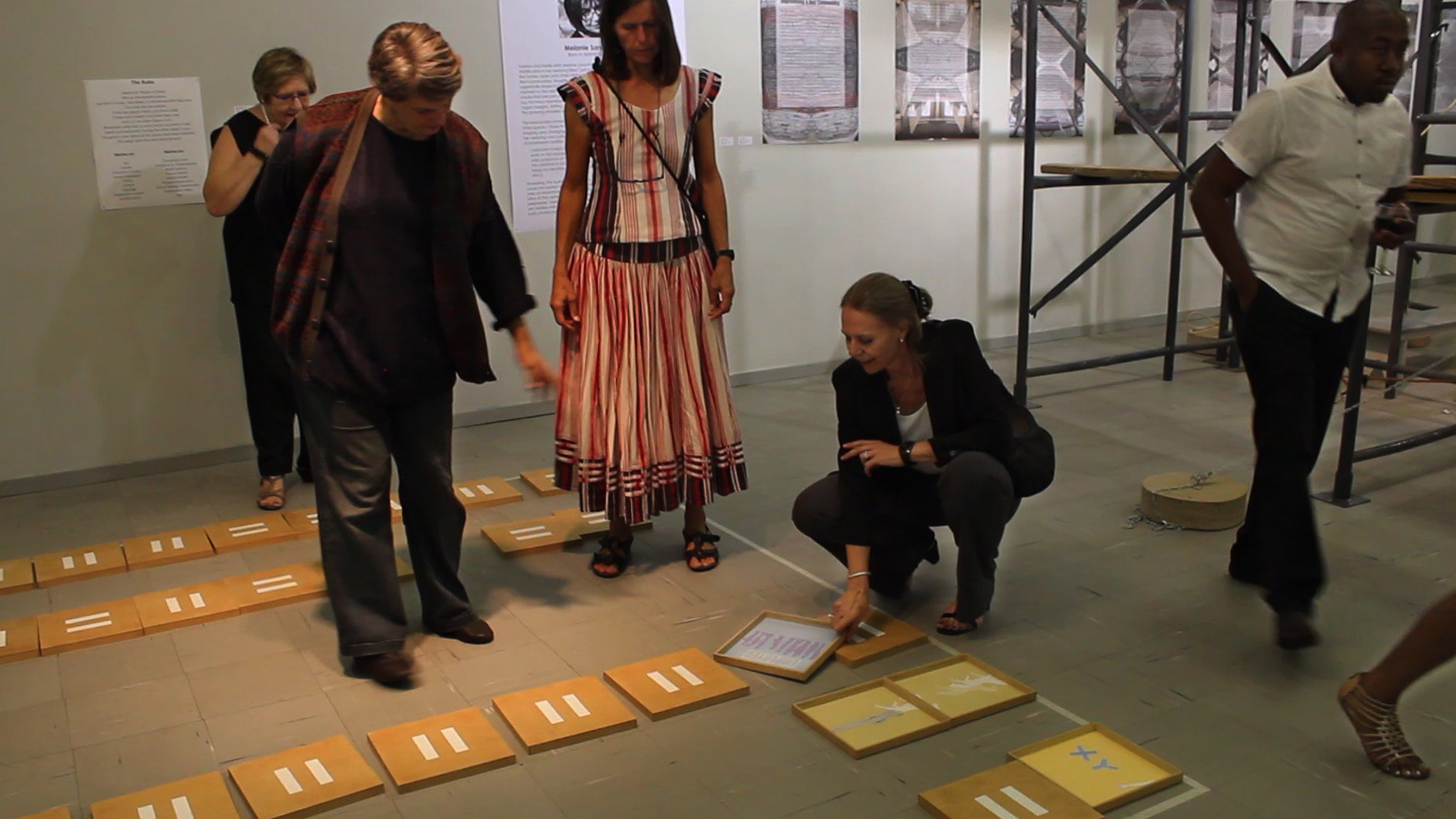
2016, Playing ‘Human Rights’ National Art Gallery of Namibia, Windhoek, NamibiaKirsten Wechslberger 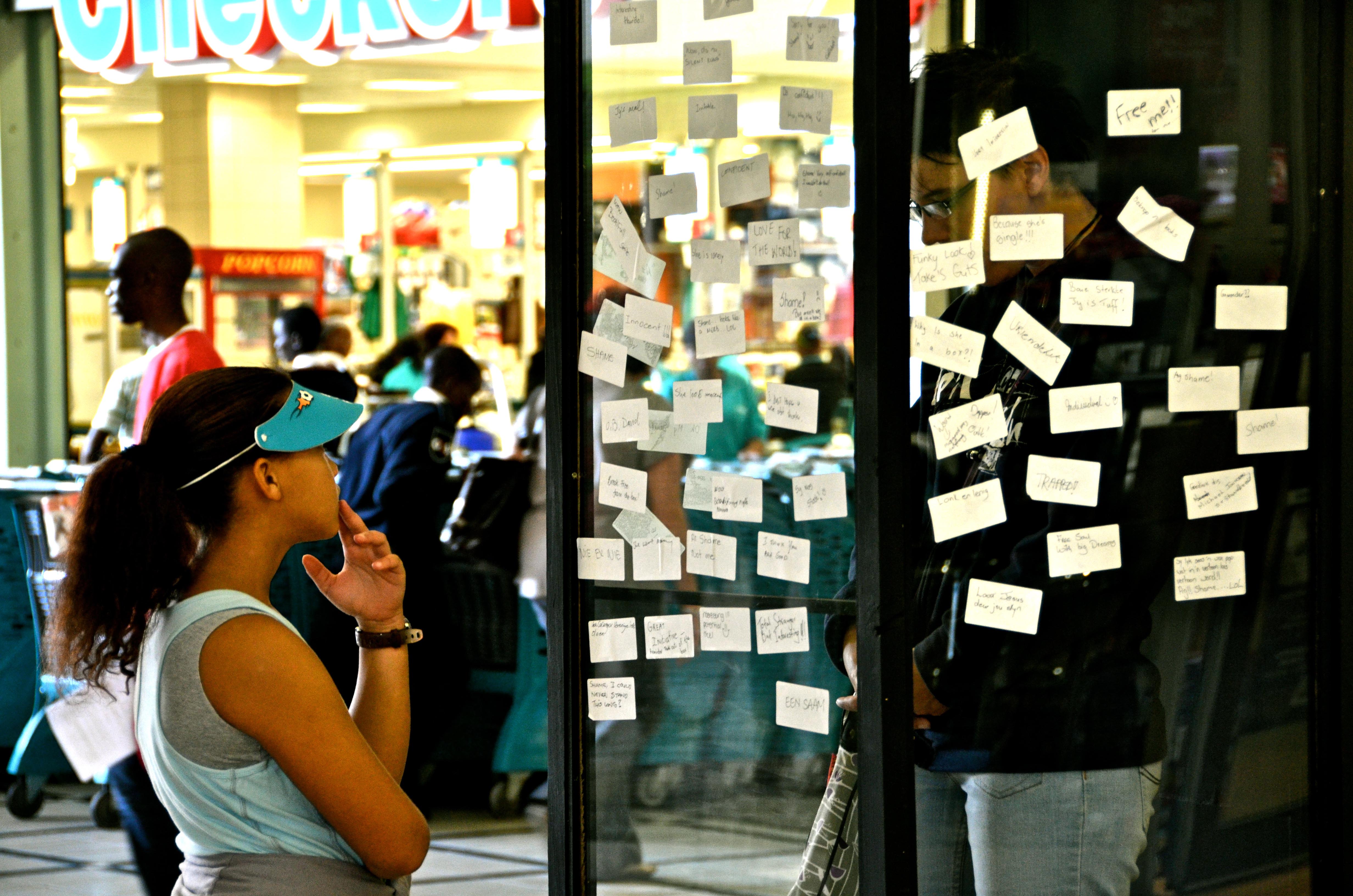
2013, Glass Case in the Shopping Mall 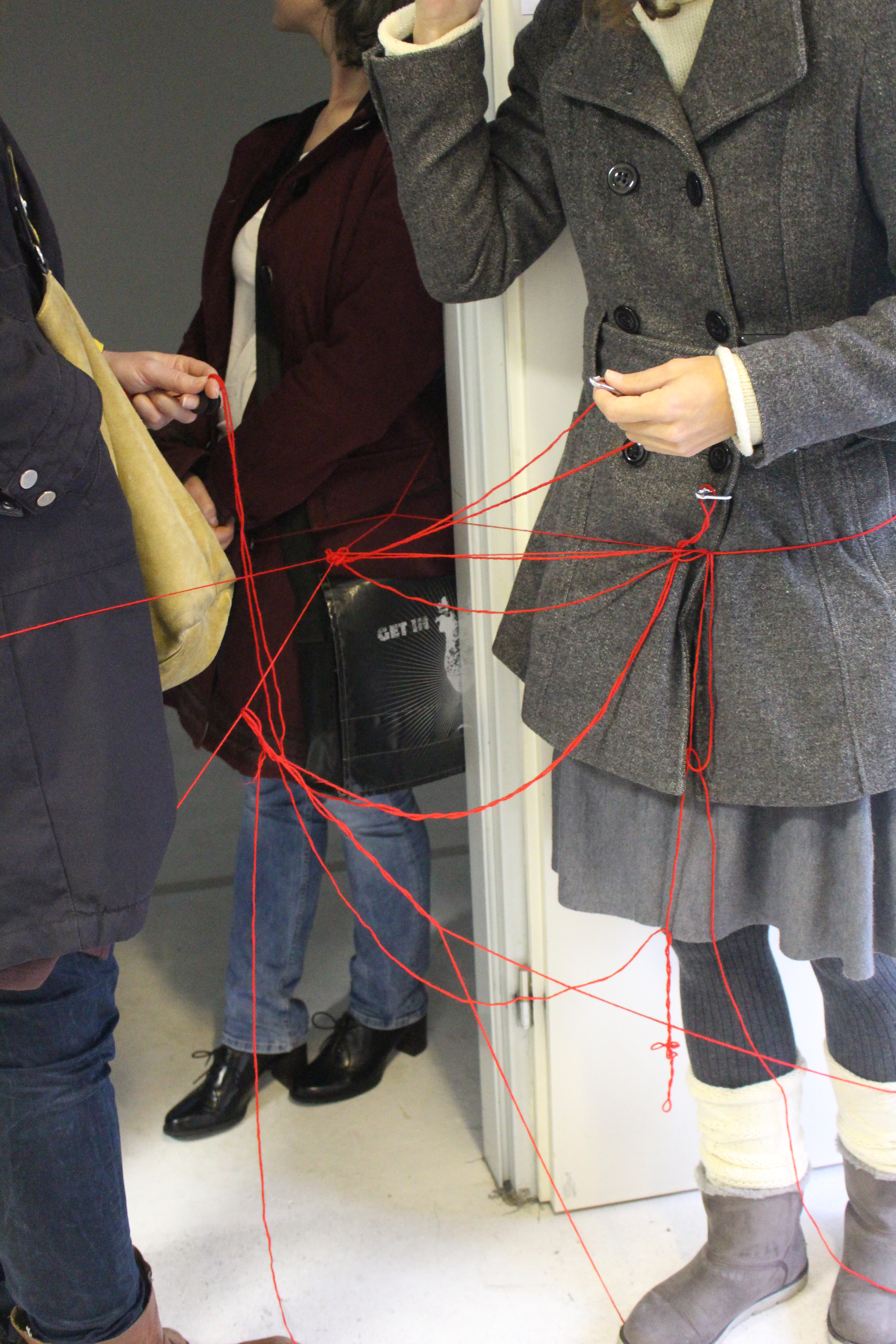
2016, ‘Close Connections’, Kirsten Wechslberger performance: Conscious Connections Photo: Carola Rümper 
2017, Adapted Version of ‘Demarginalized’ 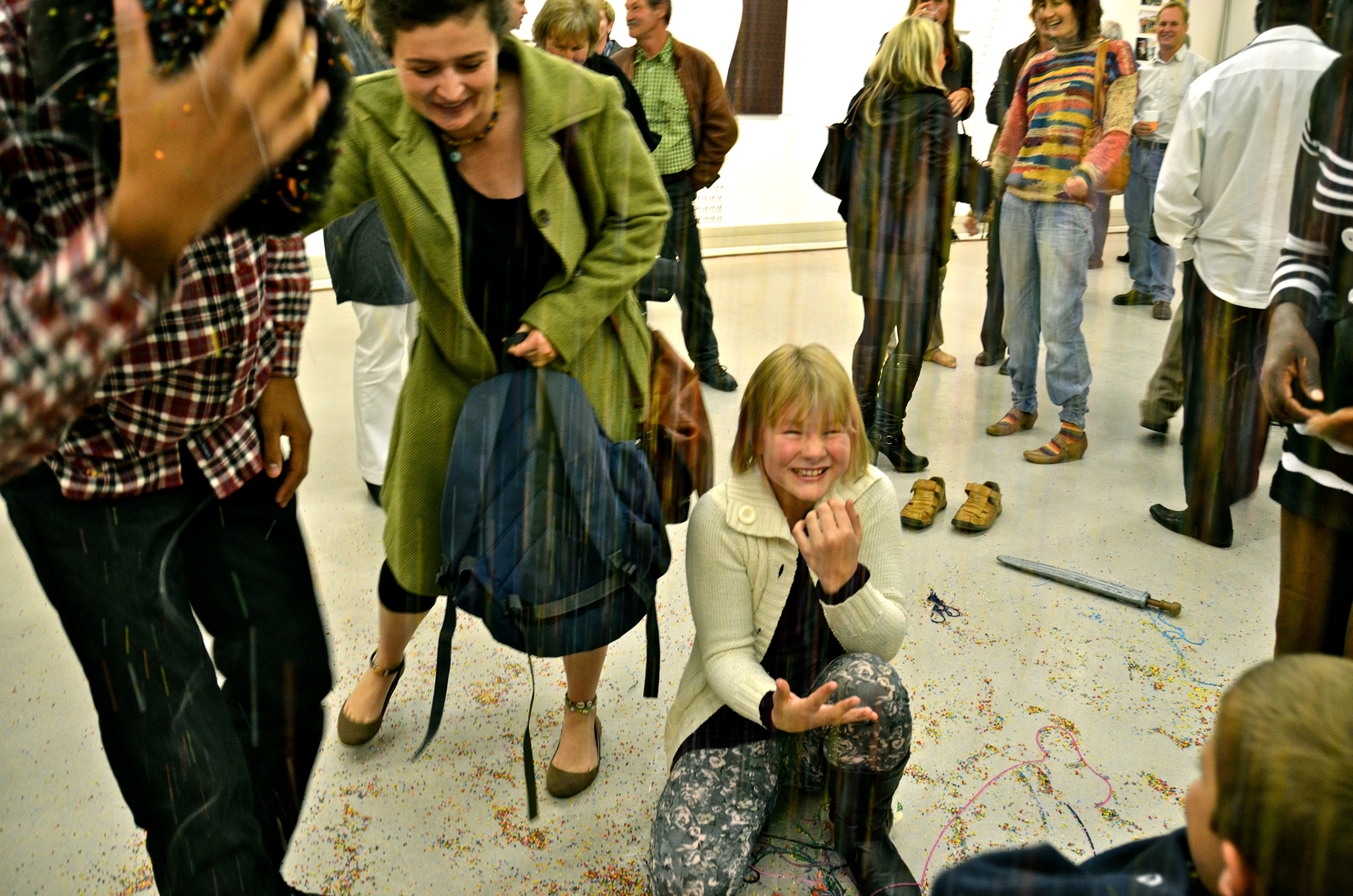
2012, Conscious Connections, Goethe-Centre, Windhoek, Namibia
Artistic Lineage and Context
My approach to participation and performance has been informed by artists who foreground presence, vulnerability, and ethical responsibility within the encounter between artist and participant. In particular, the work of Marina Abramović has shaped my understanding of endurance, attention, and the intensity of shared presence, while the participatory and instruction-based works of Yoko Ono have been influential in understanding participation as an invitation rather than a demand.
These influences informed my early engagement with performance and participation, while my own practice has developed through long-term, context-sensitive work that prioritises relational processes, care, and situated ethics over spectacle or provocation. Rather than staging participation, I am interested in enabling conditions in which participation can unfold on participants’ own terms.
Core Themes and Conceptual Concerns
Central to my work are questions of how social norms, stereotypes, and power relations shape perception and behaviour, often below the level of conscious awareness. My projects engage with experiences of marginalisation and difference related to age, gender identity, sexual orientation, physical and mental health, socio-economic status, ethnicity, skin colour, cultural and linguistic background, educational access, and other intersecting factors.
Rather than seeking to resolve or simplify these complexities, my practice foregrounds their lived ambiguity. The works create situations in which participants are invited to reflect on their own positioning while encountering perspectives that may differ from their own. The aim is not consensus or instruction, but attentiveness, empathy, and a heightened awareness of relational dynamics.
Selected Participatory Projects
Minaminals (since 2017)
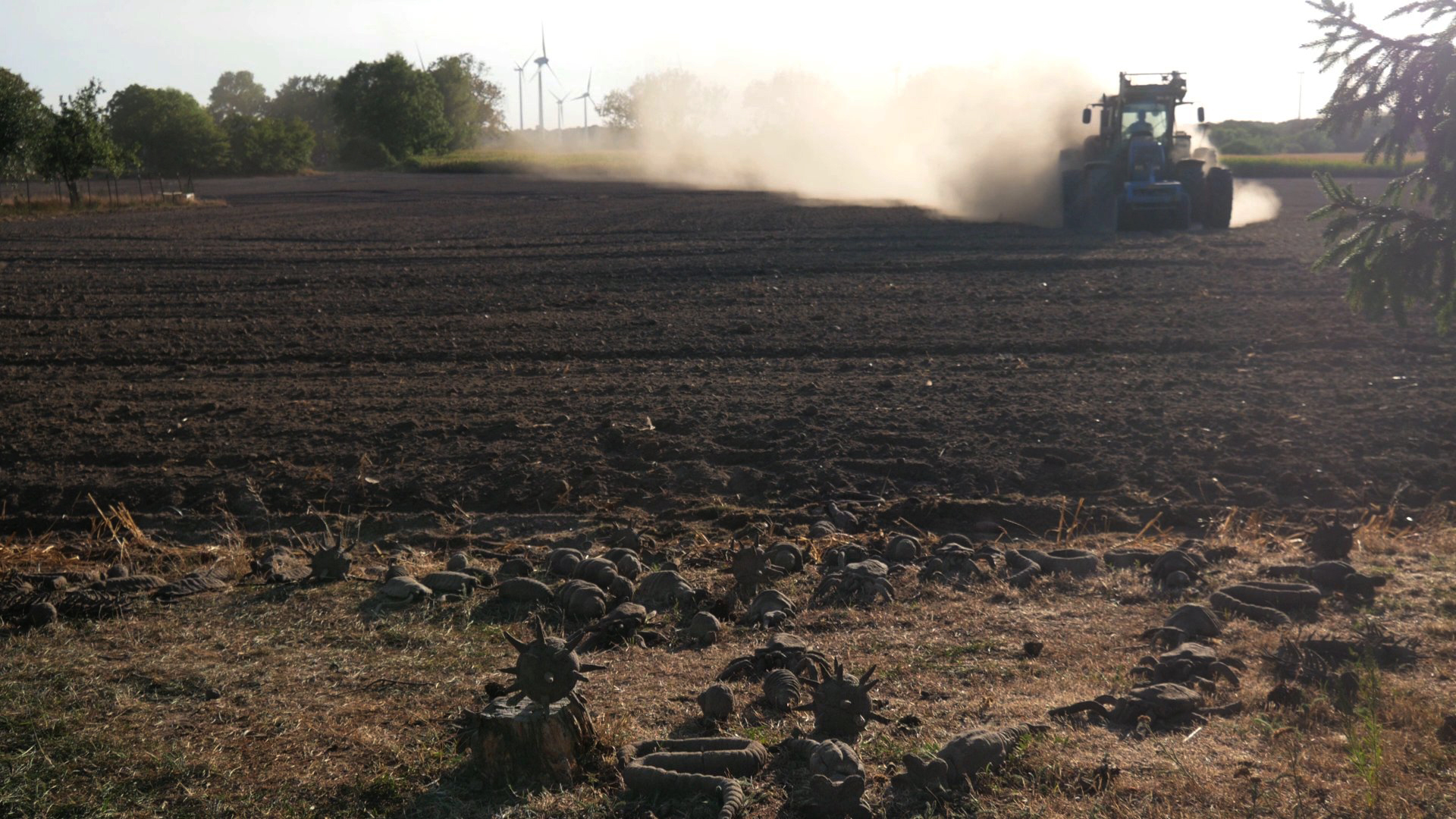
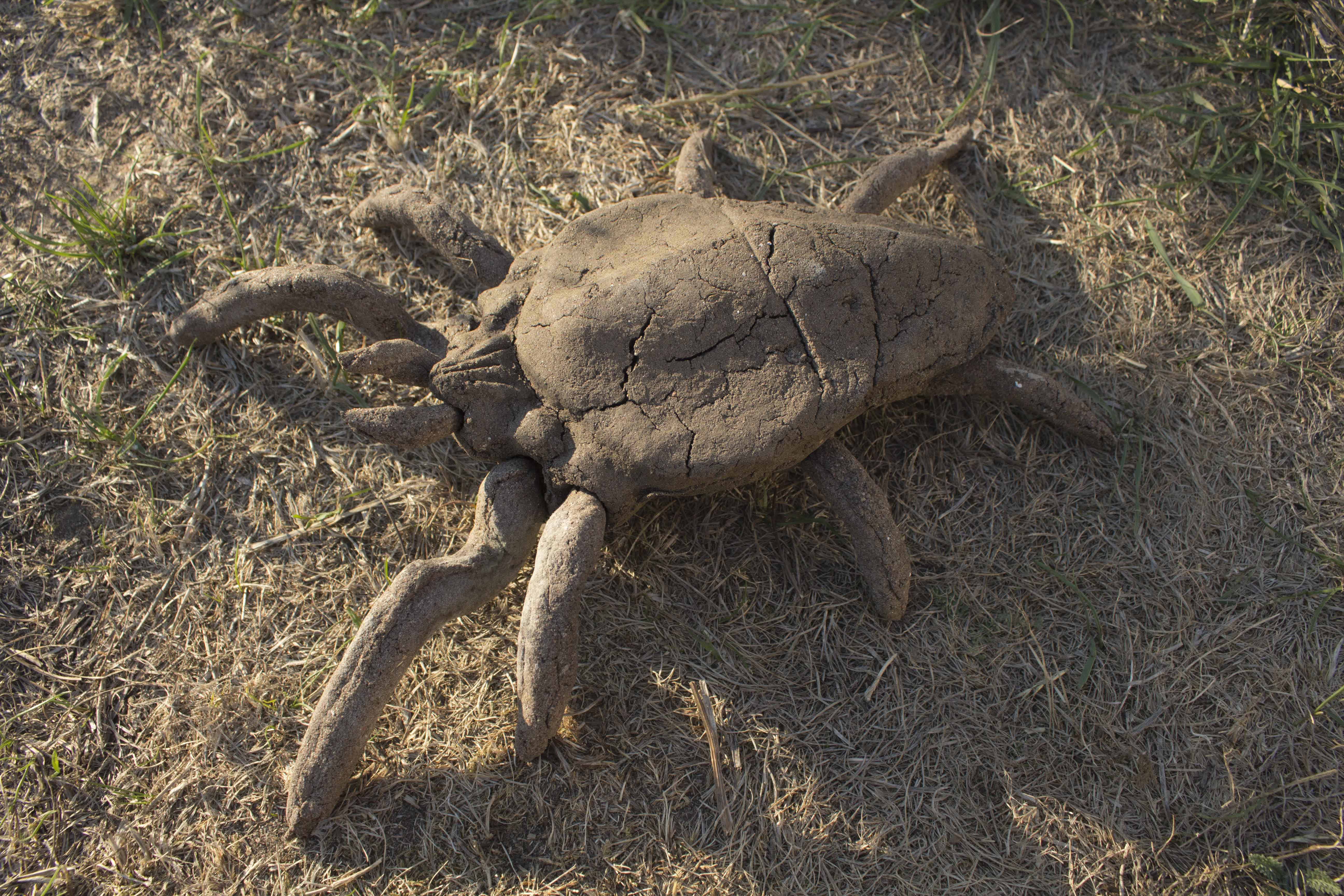
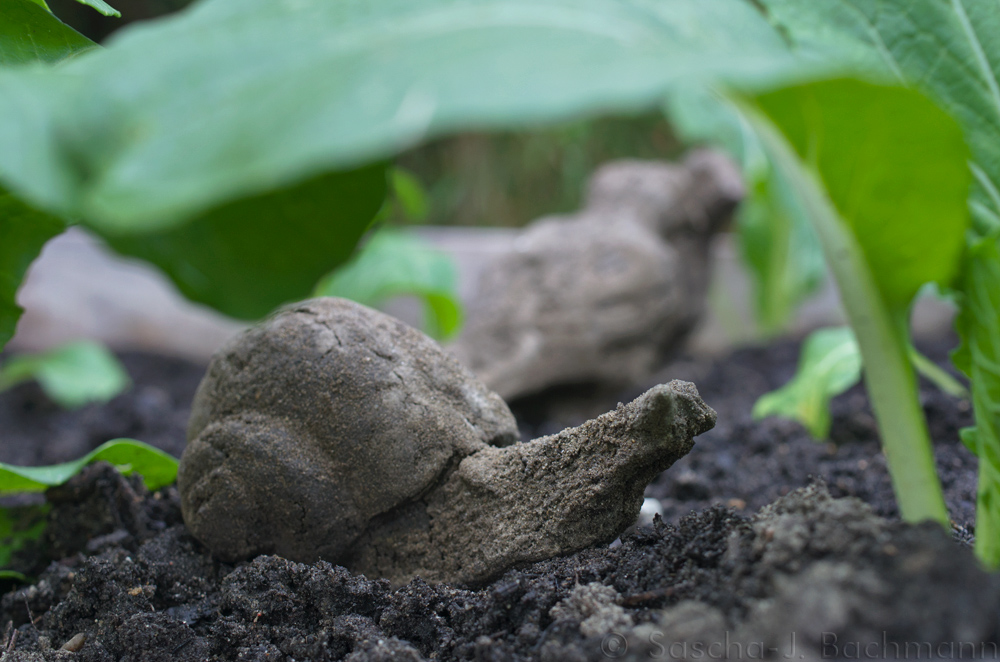
Minaminals is a long-term public art project concerned with ecological and social systems and their interdependencies. Working with biodegradable and sustainable materials, the project addresses cycles of growth, decay, reuse, and transformation across both environmental and social registers.
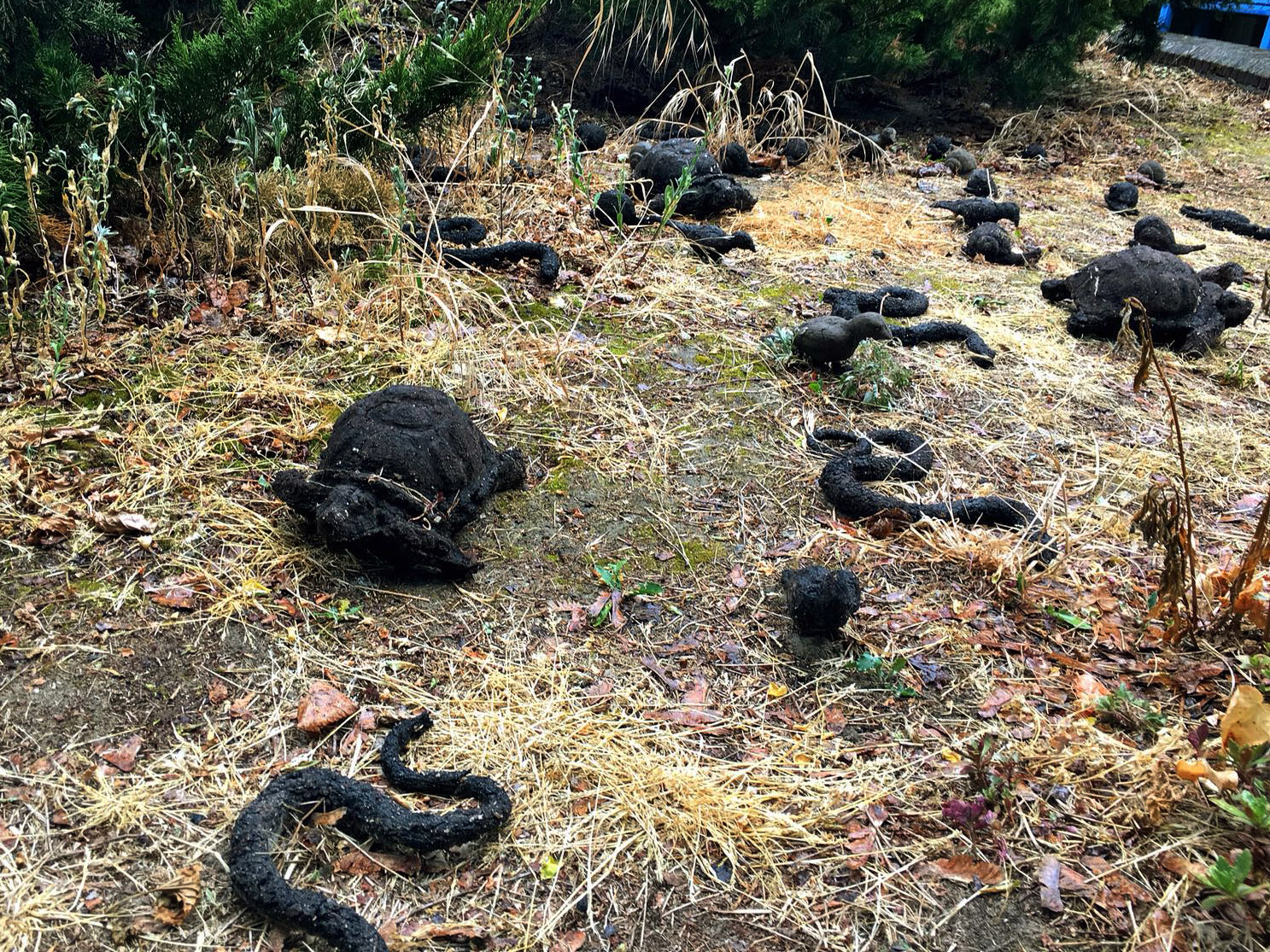
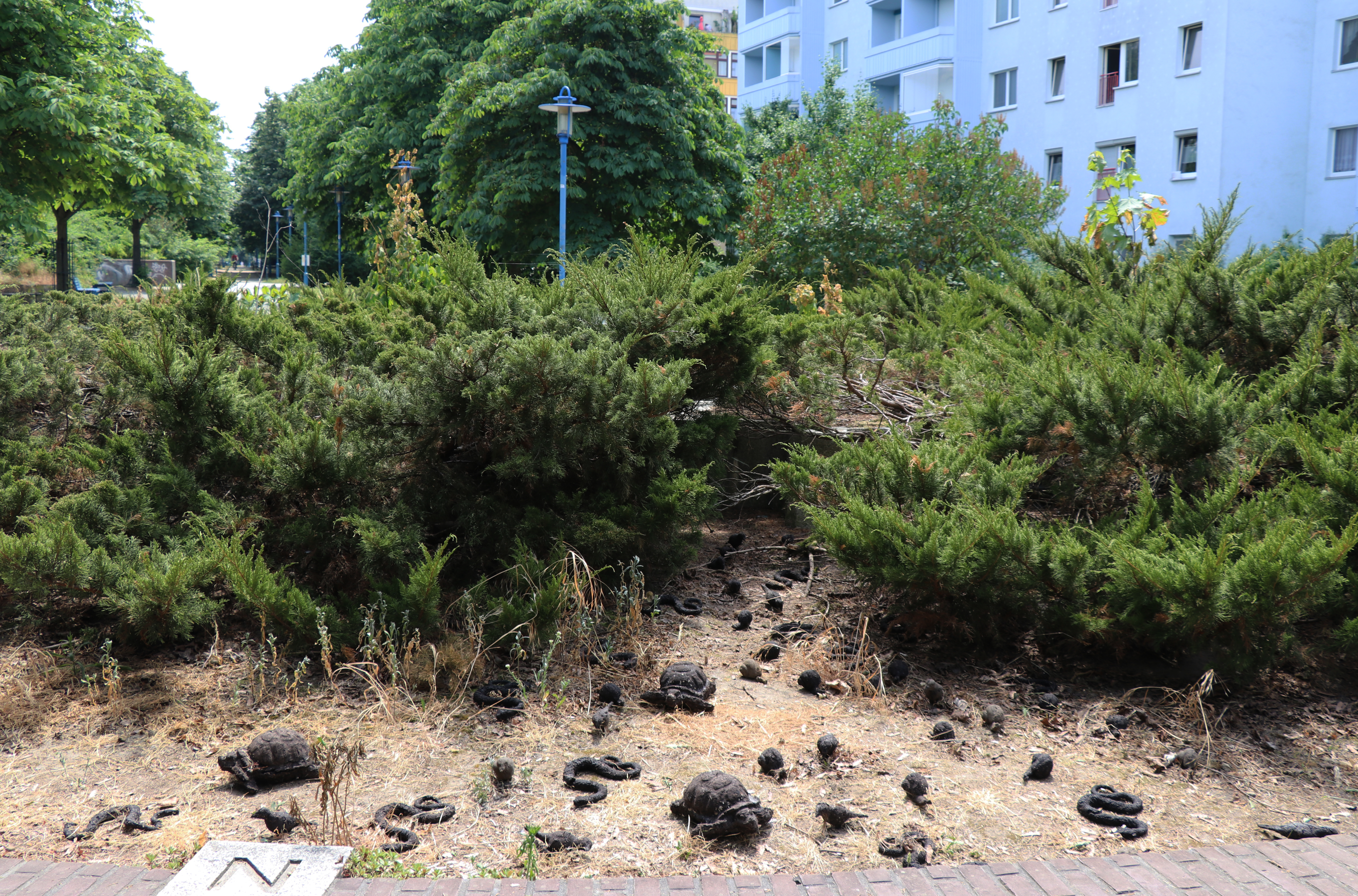
Small, handcrafted animal figures made from bioplastic and sand are placed in gardens, public spaces, and community contexts. These subtle interventions draw attention to peripheral or overlooked spaces and invite reflection on care, coexistence, and responsibility within shared environments.
Importantly, Minaminals also incorporates unintended interactions. In several public installations, the works were altered or destroyed by people living in the area. These acts are not treated as disruptions but as meaningful responses that reveal how value, ownership, frustration, and affect are negotiated in public space. Such interactions become integral to the work’s social reality and ongoing narrative.
Demarginalised (2016–ongoing)
Demarginalised is an ongoing participatory artwork structured as a facilitated game. It consists of seven sets of 22 coloured or wooden blocks, each marked with a specific form of marginalisation.
Participants are invited to reflect on whether and how these categories relate to their own experiences. Sharing is optional, and participants may skip any turn. The rules foreground attentive listening and explicitly suspend critique and advice during the game in order to create a safer, non-hierarchical space for exchange.
Players assemble towers from the blocks they identify with. While the structure borrows from game logic, its primary function is not competition but reflection and dialogue. The work creates a temporary social situation in which different lived experiences can coexist without being ranked or resolved.
Demarginalised was first presented in 2016 as part of the group exhibition JUST at the National Art Gallery of Namibia. It has since evolved into a mobile, context-responsive format facilitated in diverse institutional, educational, and community settings.
[IMAGE SUGGESTION: blocks in use, participants gathered around the game]
Human Rights (2016–ongoing)
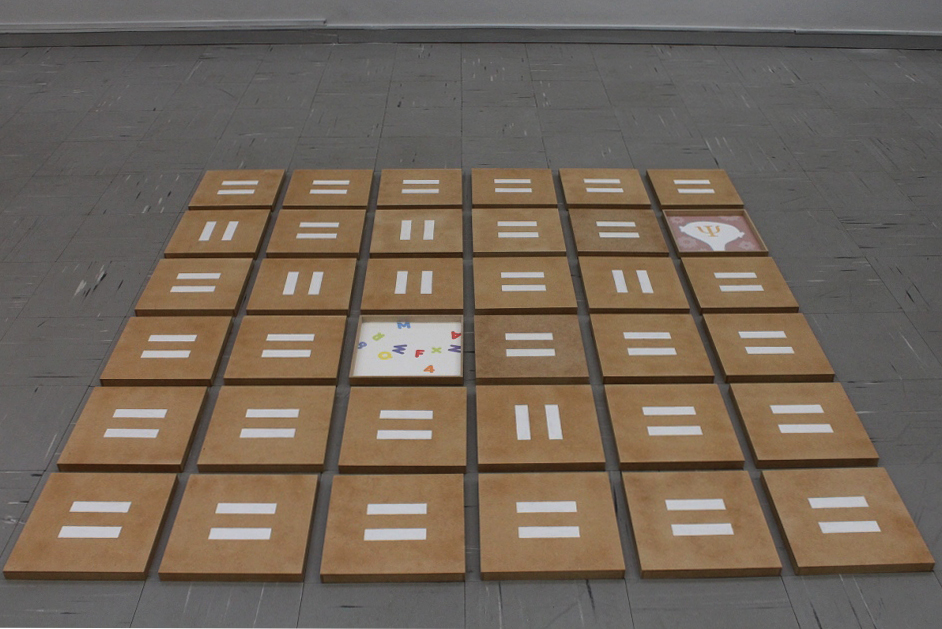
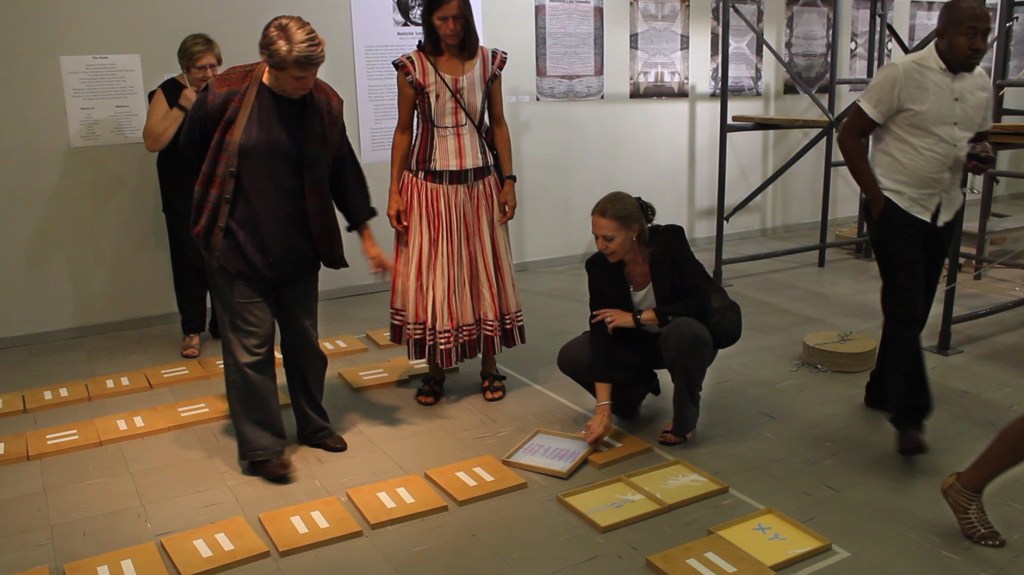
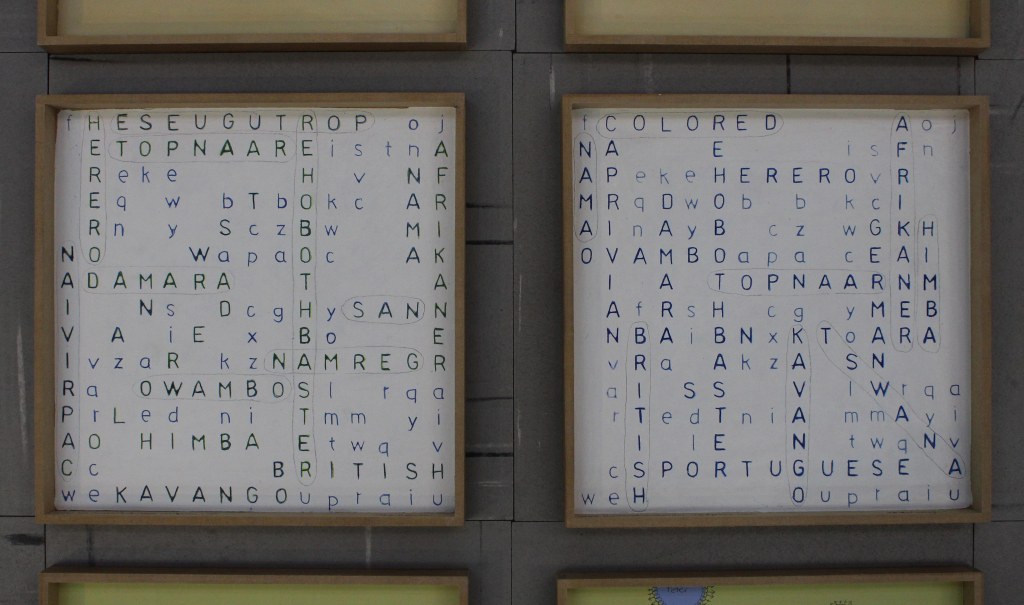
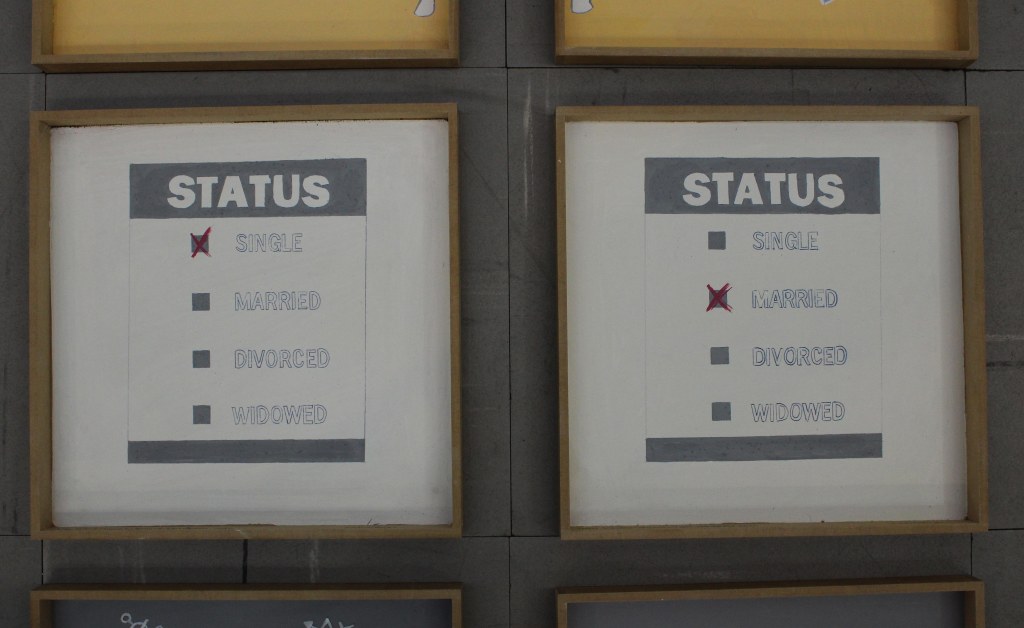
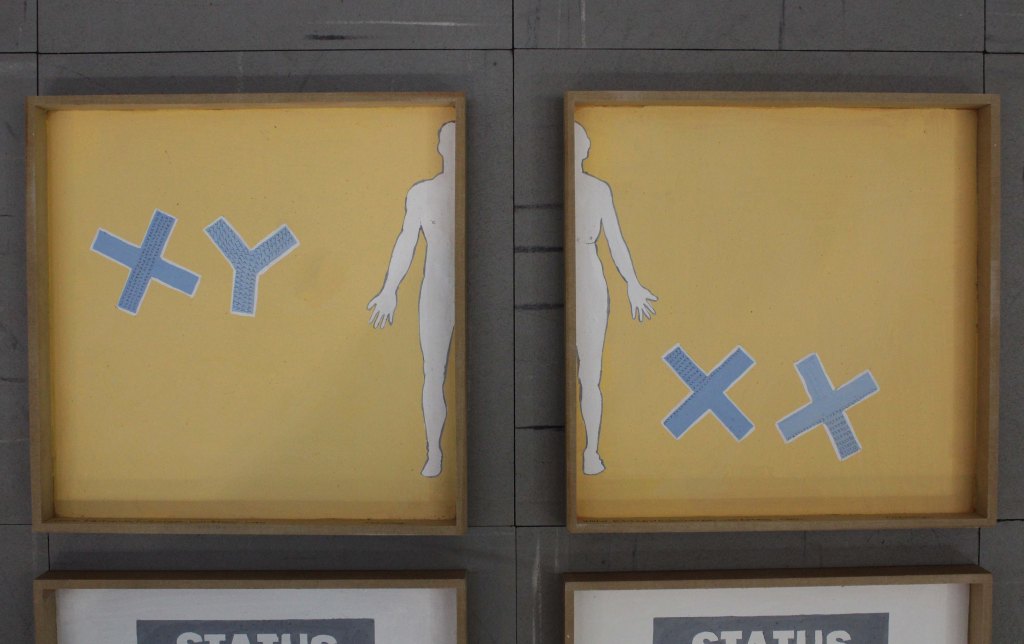
Human Rights is an ongoing participatory artwork based on the structure of a memory game. It exists both as an exhibition format and as a facilitated participatory situation that can be activated with different groups.
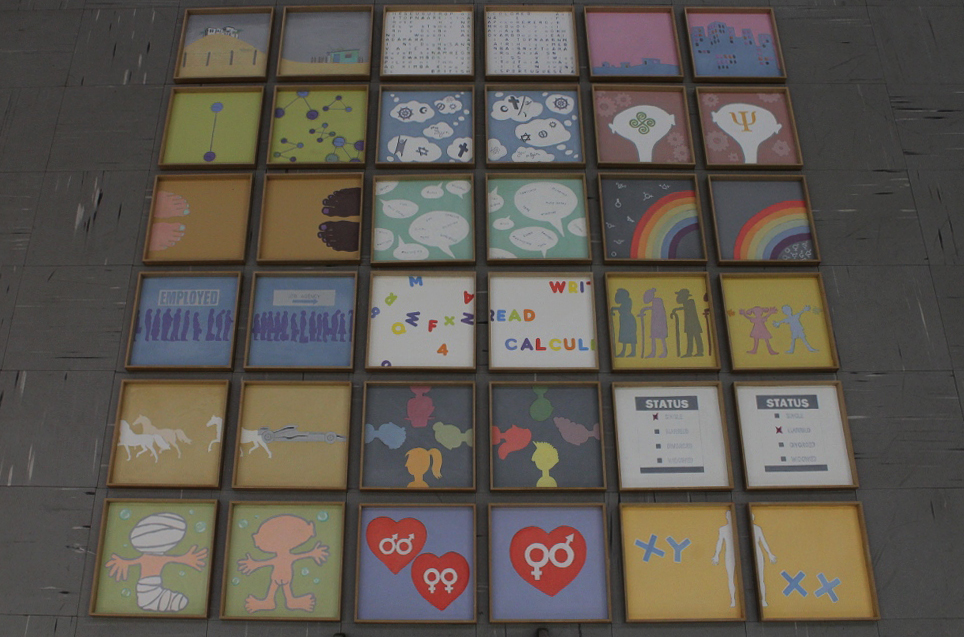
Unlike conventional memory games, the matching pairs are not identical images but conceptual opposites. Participants are invited to observe closely and reflect on why the images are paired. The process foregrounds attentiveness, interpretation, and discussion.
Pairings include, among others: employed / unemployed, non-disabled / disabled, heterosexual / homosexual, young / old, rural / urban, rich / poor, literate / illiterate, cisgender / transgender, and differing cultural or religious contexts.
The reverse side of each card displays an equals sign (“=”), signalling equality. The work refers to the principle that human rights are not conditional on identity, ability, or social position, but inherent.
Human Rights was first exhibited in 2016 as part of the group exhibition JUST at the National Art Gallery of Namibia and has since developed into an ongoing, bookable participatory format adaptable to different contexts.


Early Participatory Works
Muse (2012)
Muse consisted of 365 paper butterflies, each carrying a positive message. Installed temporarily in public space, the work invited passers-by to take a butterfly and integrate it into their daily environment, allowing the artwork to persist through dispersed, everyday encounters.
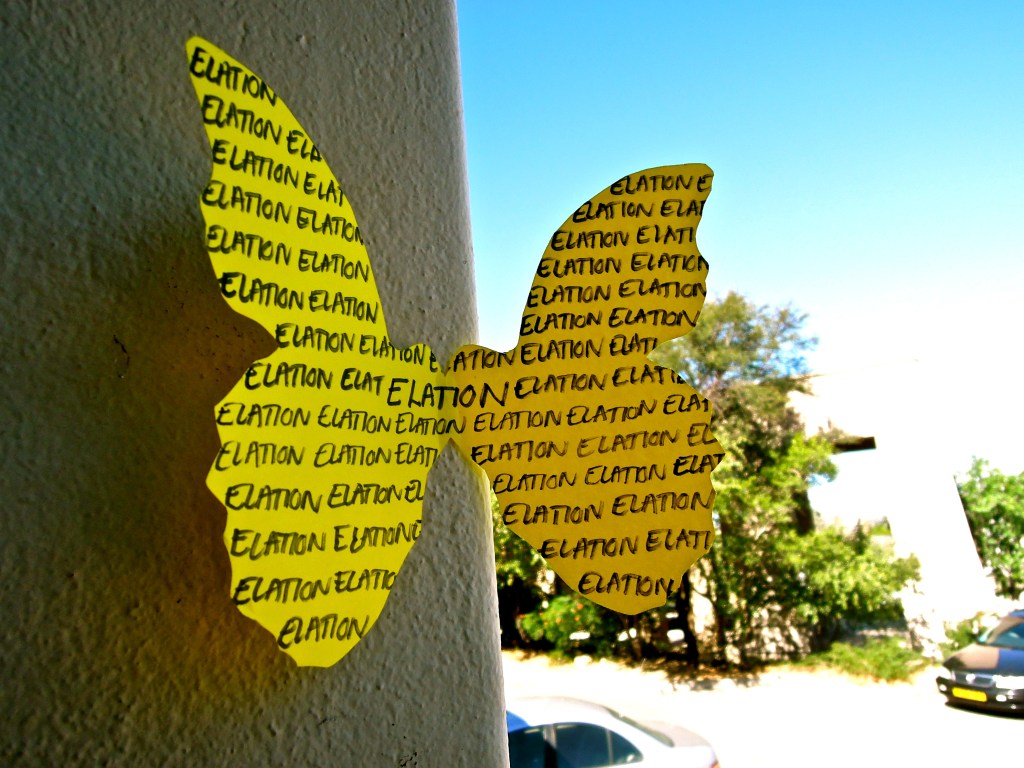
Detail of 2012, ‘Muse’ Emotion Repeated, Goethe Institute, Namibia 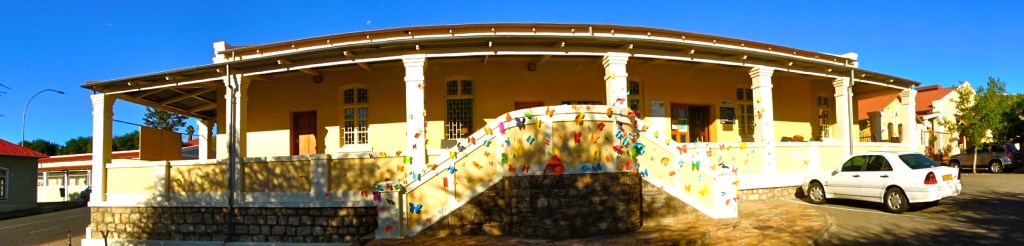
Muse 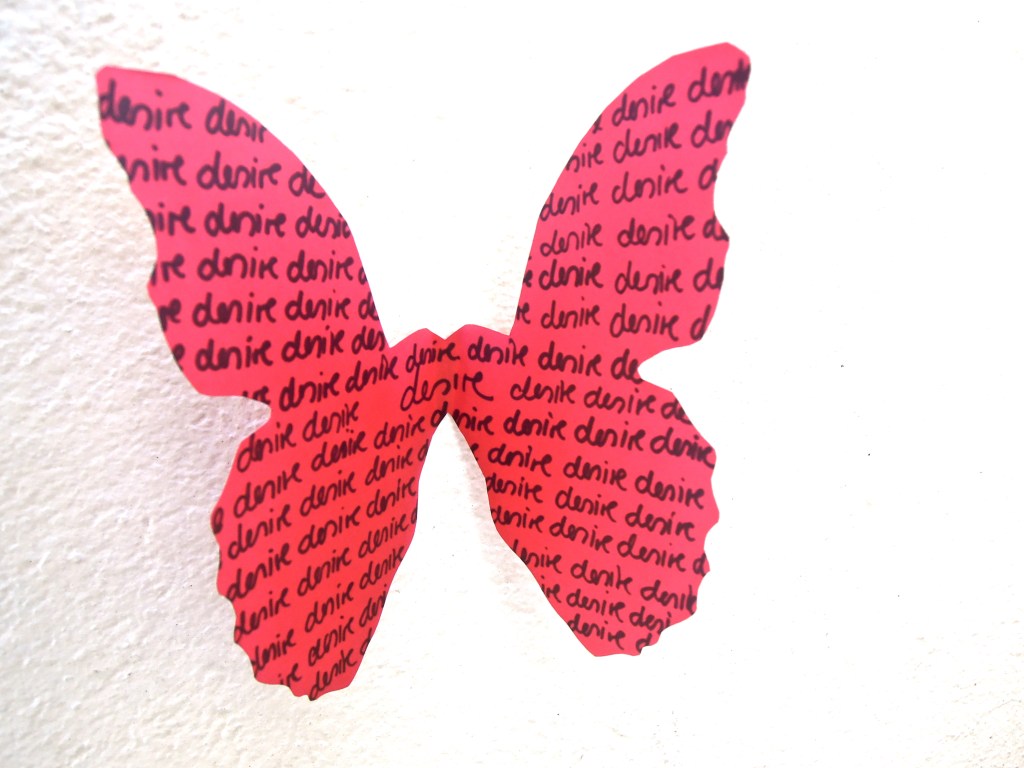
2012, ‘Muse’, Paper Installation. Goethe Centre Windhoek Boundary Wall 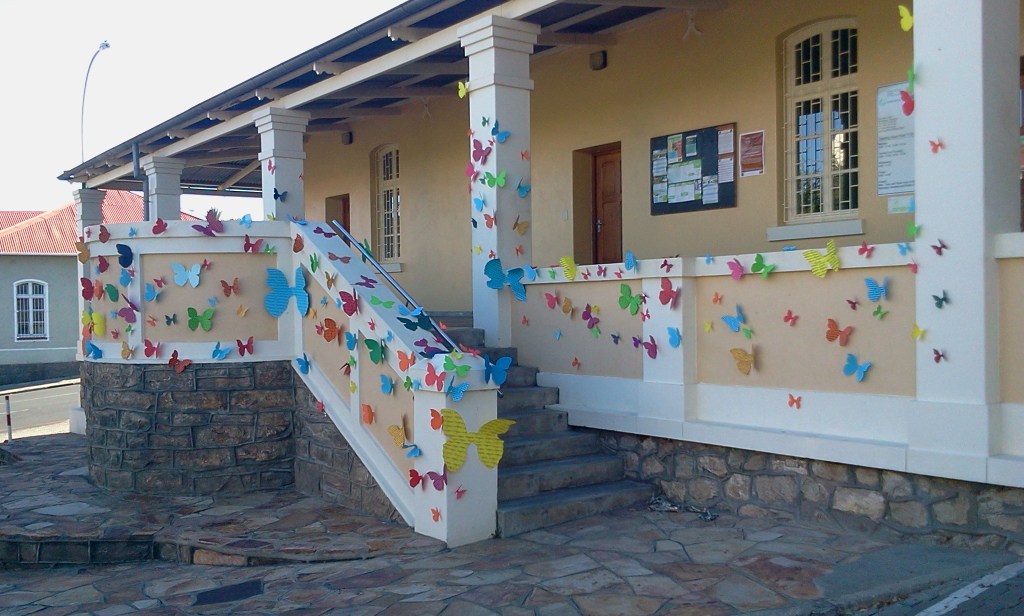
2012, ‘Muse’, Installation at Goethe Institut, Namibia 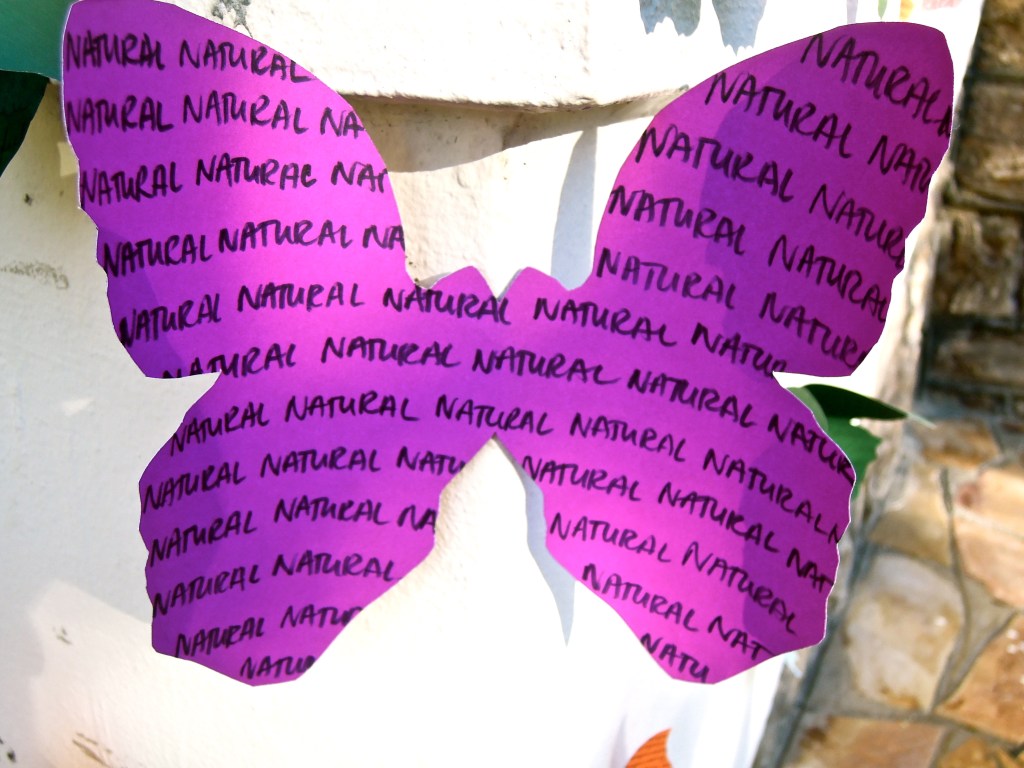
Natural Repeated on Butterfly – Muse 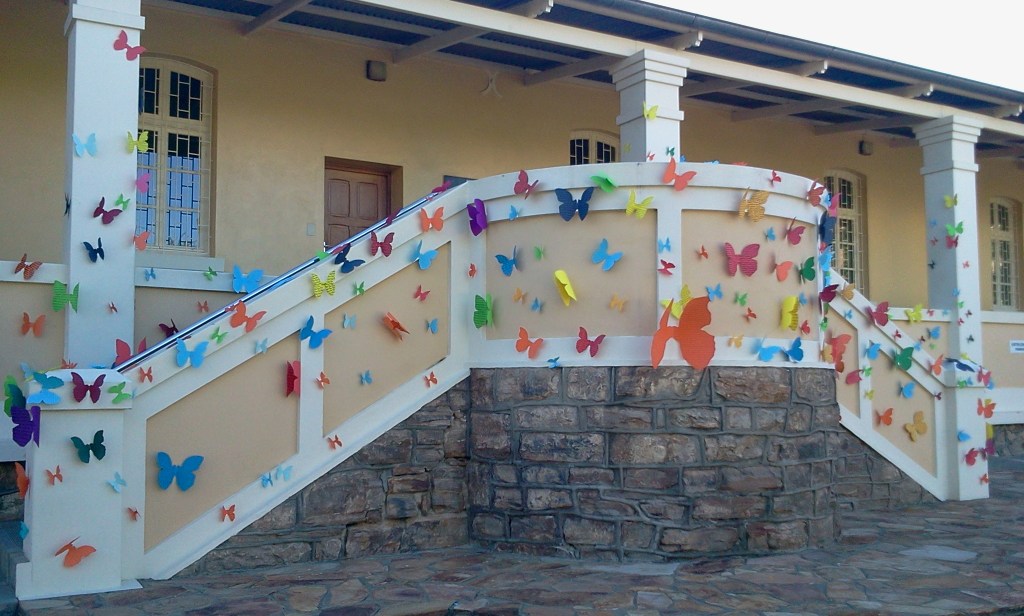
2012, ‘Muse’, Paper Installation. Goethe Centre Windhoek Boundary Wall 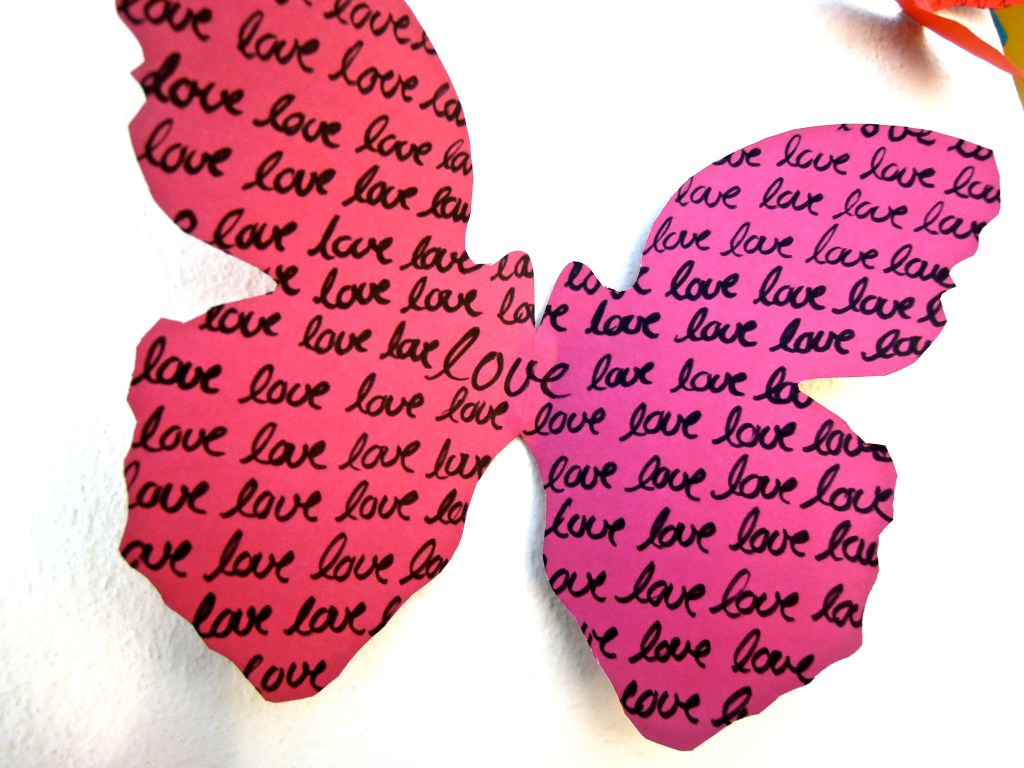
2012, ‘Muse’, Paper Installation. Goethe Centre Windhoek Boundary Wall 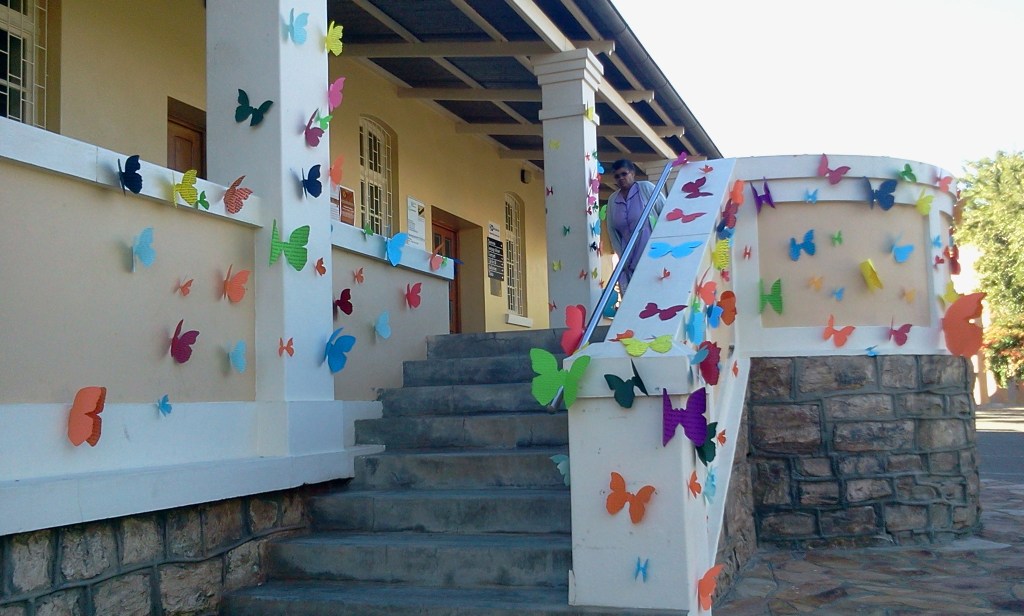
2012, ‘Muse’, Paper Installation. Goethe Centre Windhoek Boundary Wall 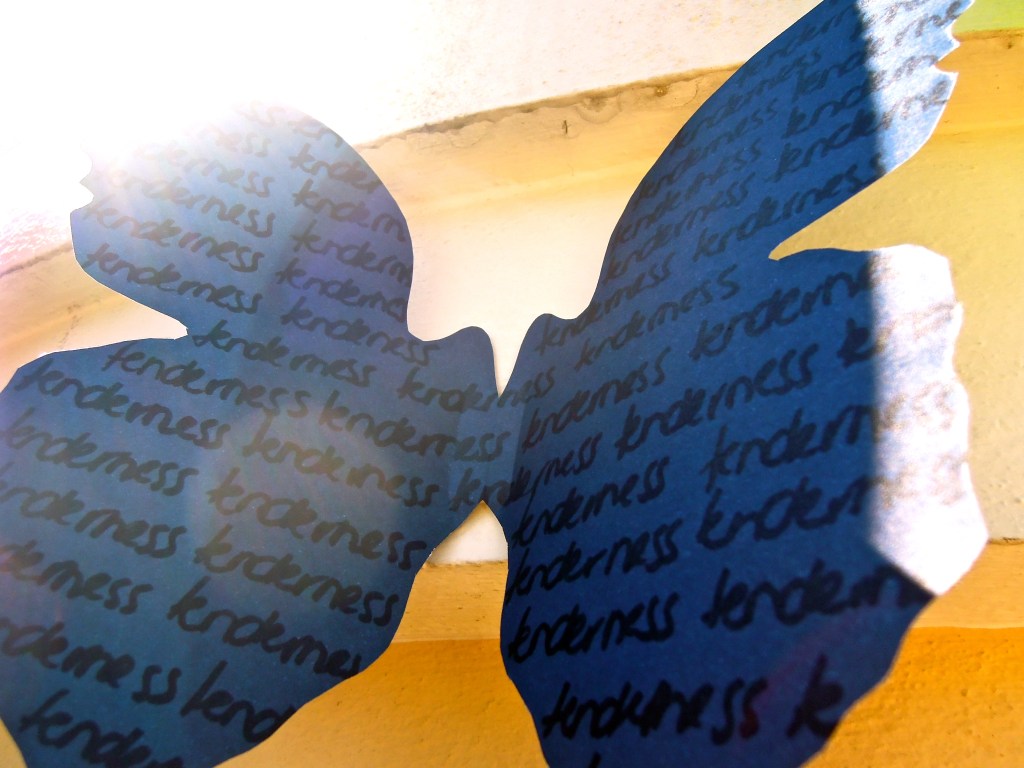
Tender Repeated on Butterfly – Muse 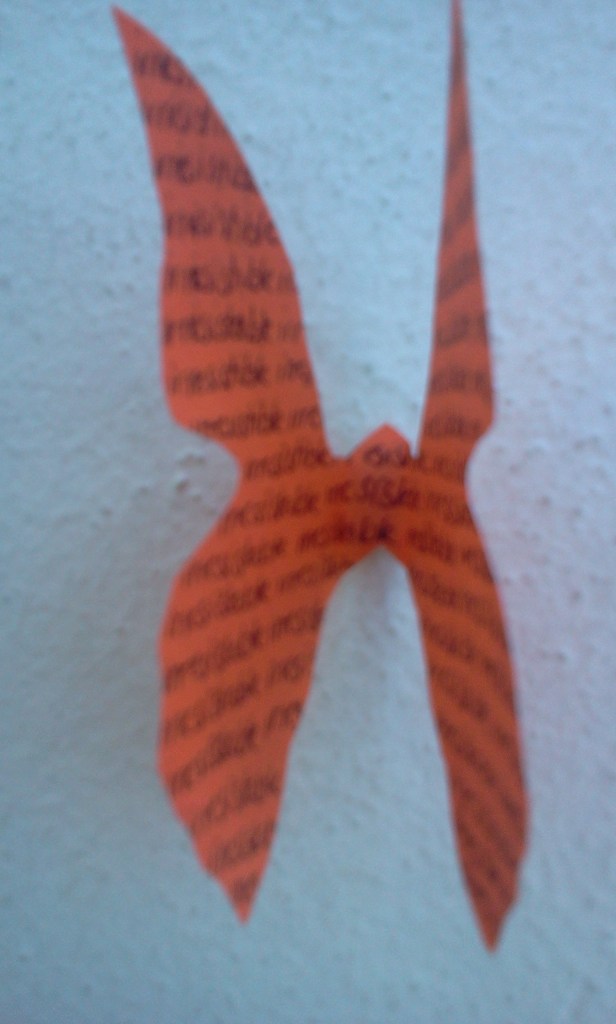
2012, ‘Muse’, Paper Installation. Goethe Centre Windhoek Boundary Wall 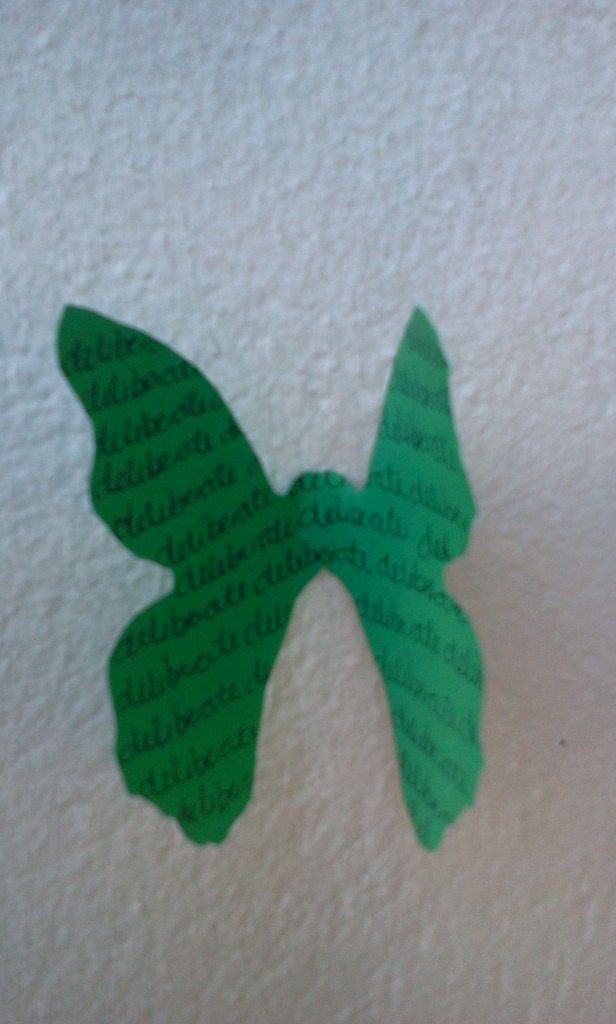
2012, ‘Muse’, Paper Installation. Goethe Centre Windhoek Boundary Wall 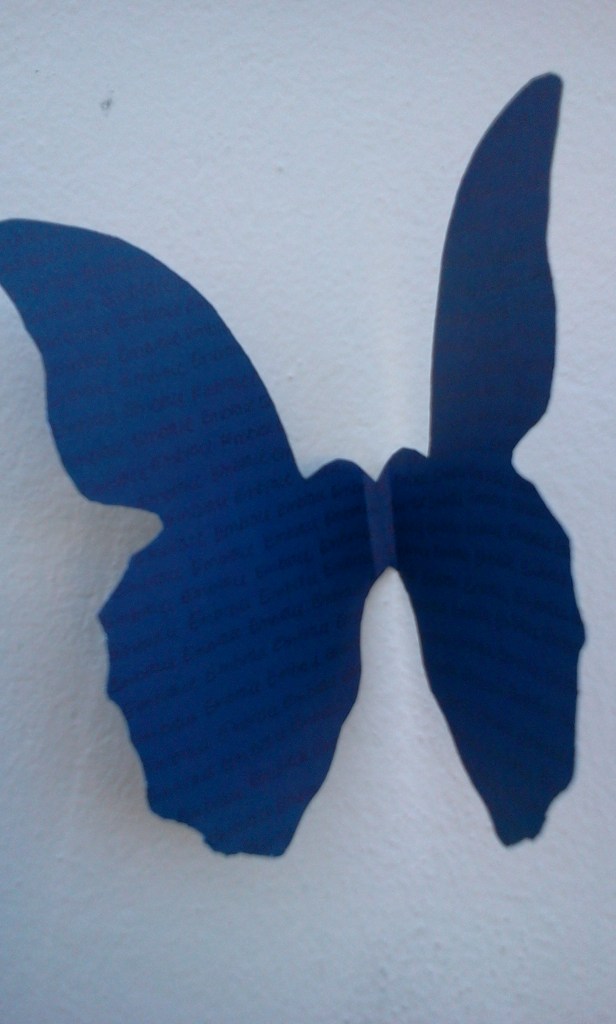
2012, ‘Muse’, Paper Installation. Goethe Centre Windhoek Boundary Wall 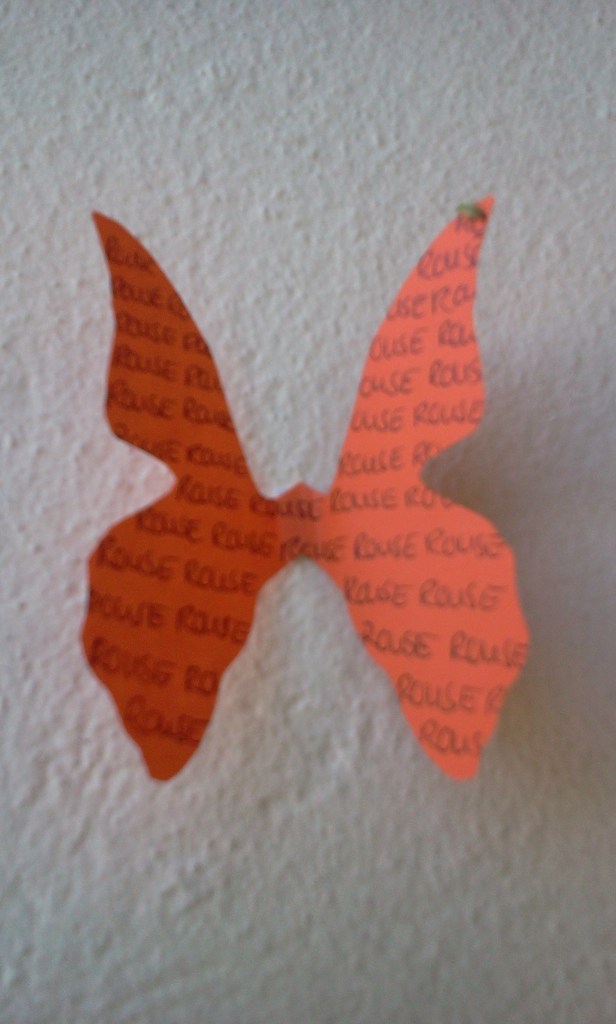
2012, ‘Muse’, Paper Installation. Goethe Centre Windhoek Boundary Wall 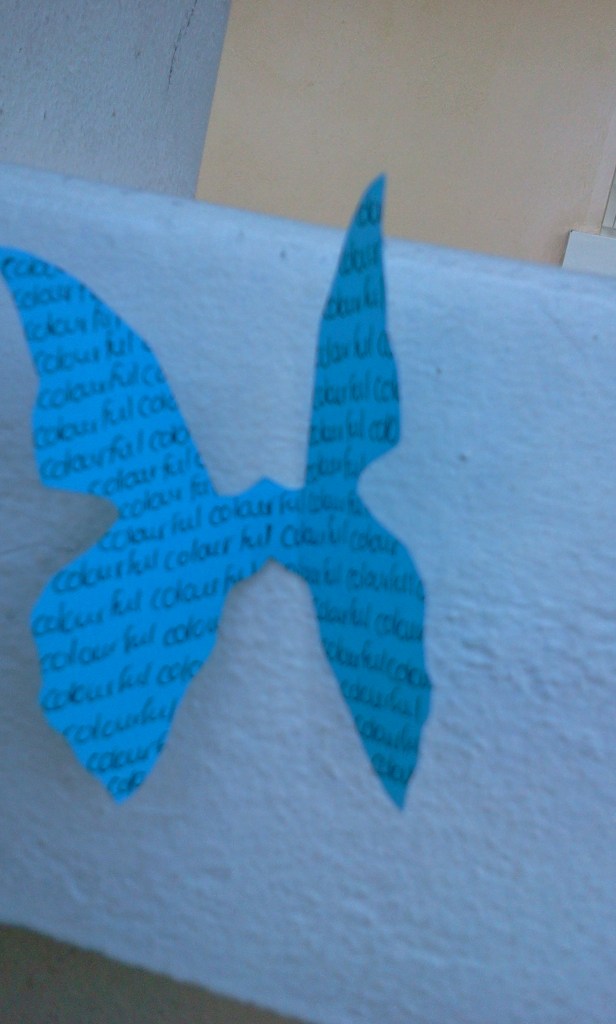
2012, ‘Muse’, Paper Installation. Goethe Centre Windhoek Boundary Wall 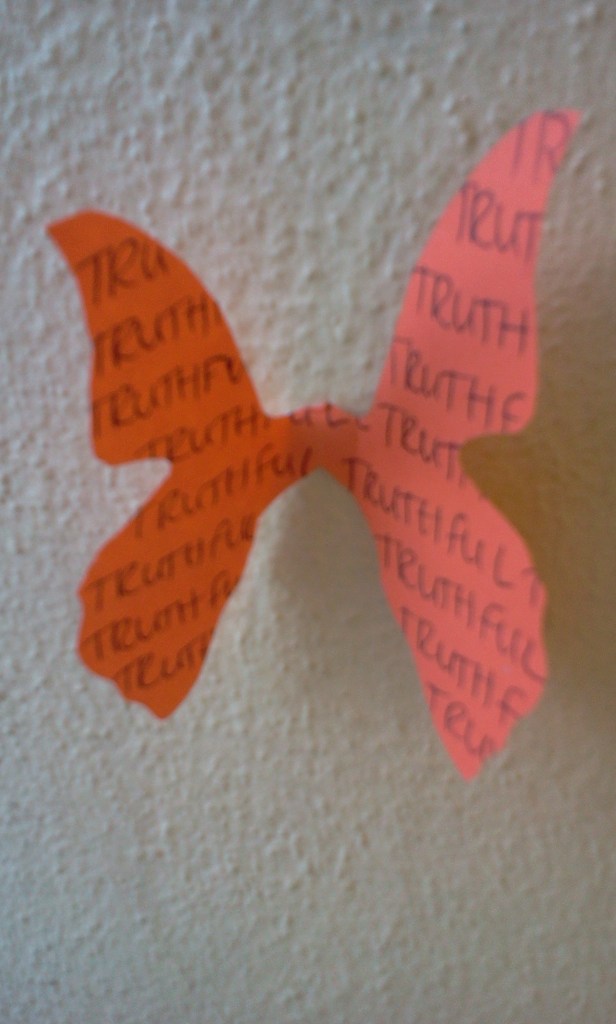
2012, ‘Muse’, Paper Installation. Goethe Centre Windhoek Boundary Wall 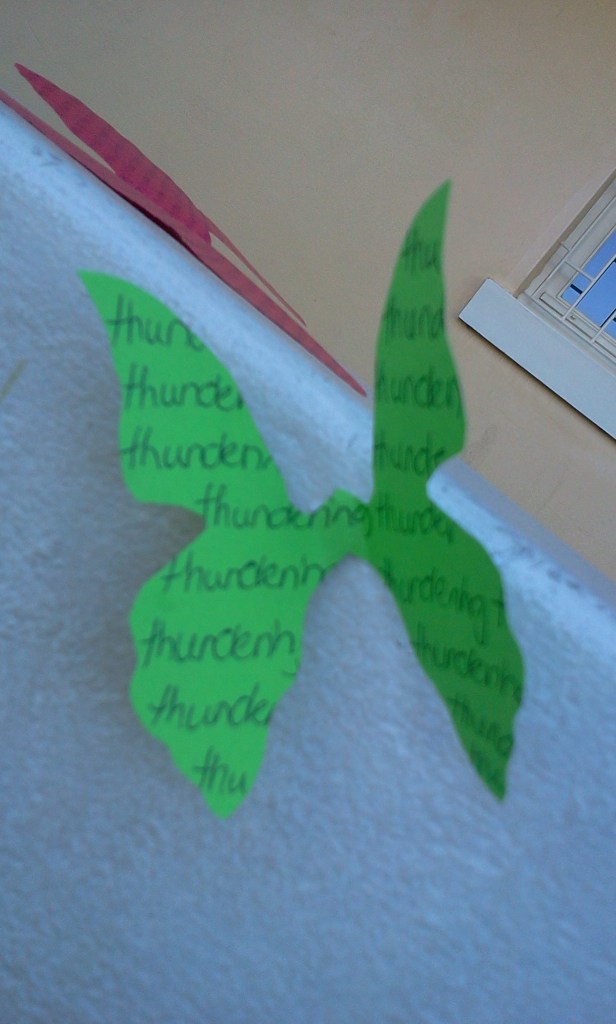
2012, ‘Muse’, Paper Installation. Goethe Centre Windhoek Boundary Wall 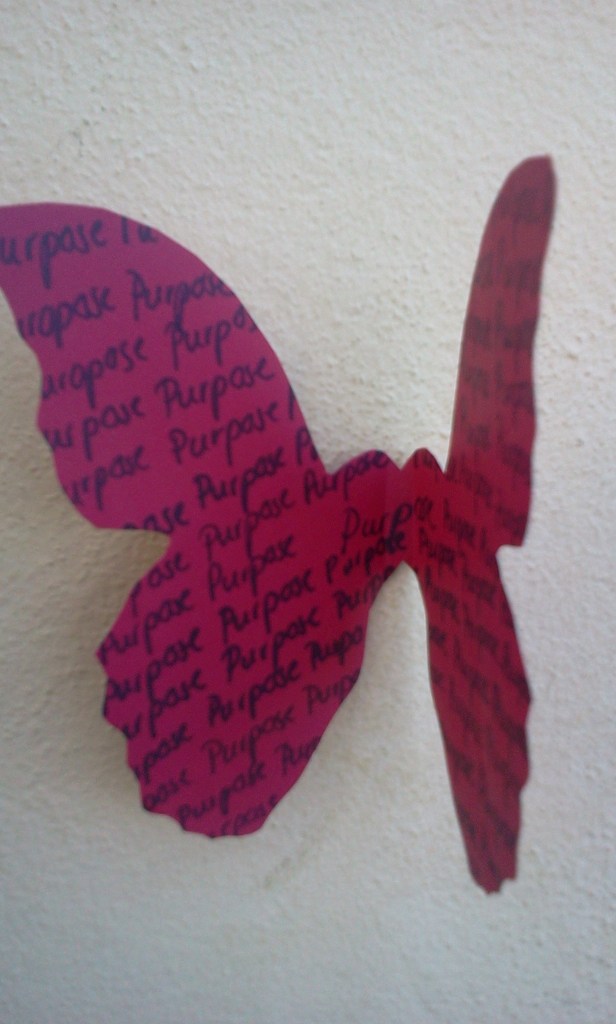
2012, ‘Muse’, Paper Installation. Goethe Centre Windhoek Boundary Wall 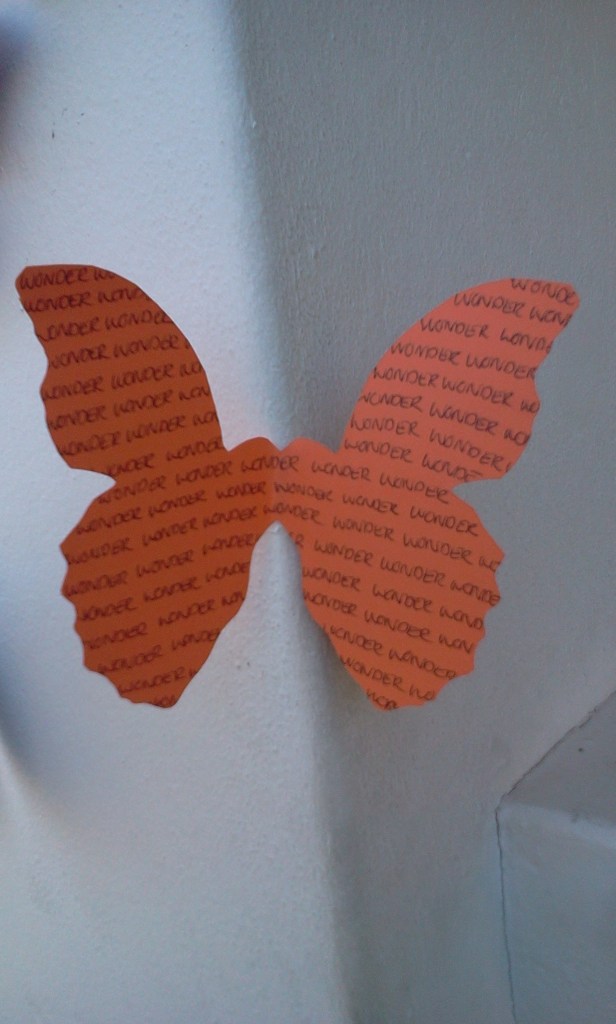
2012, ‘Muse’, Paper Installation. Goethe Centre Windhoek Boundary Wall 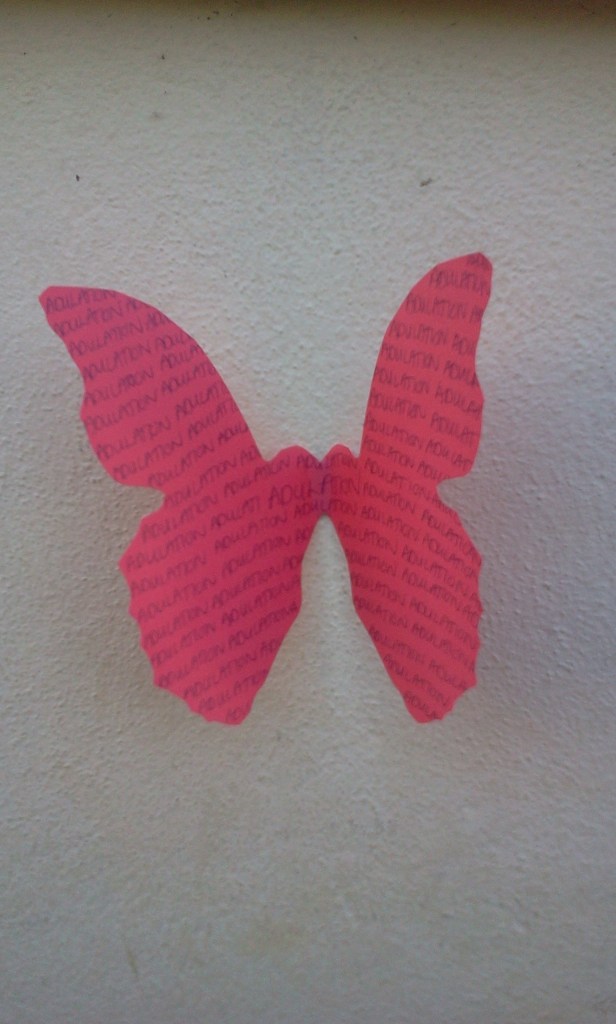
2012, ‘Muse’, Paper Installation. Goethe Centre Windhoek Boundary Wall 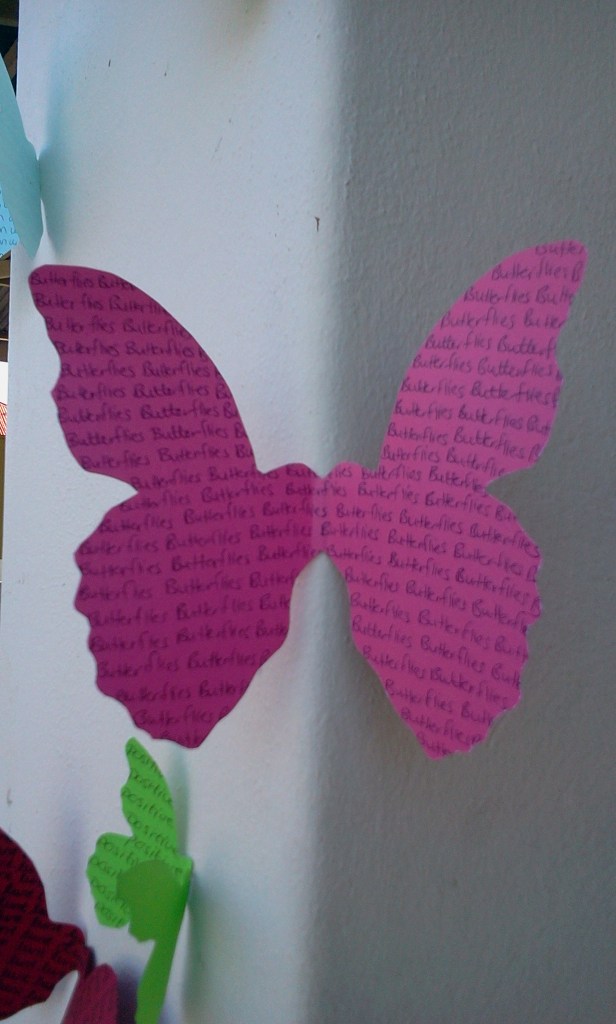
2012, ‘Muse’, Paper Installation. Goethe Centre Windhoek Boundary Wall 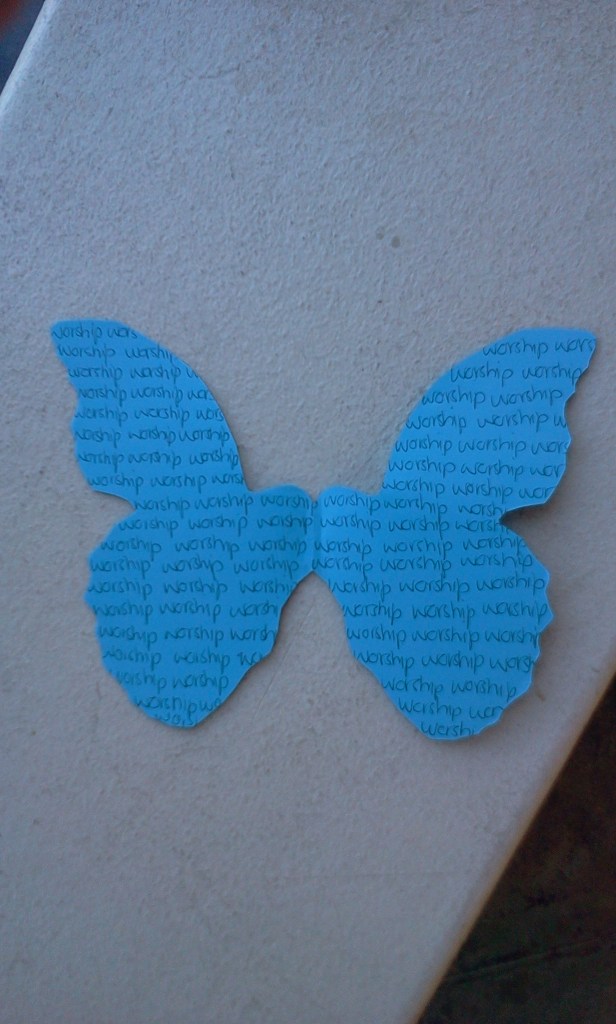
2012, ‘Muse’, Paper Installation. Goethe Centre Windhoek Boundary Wall 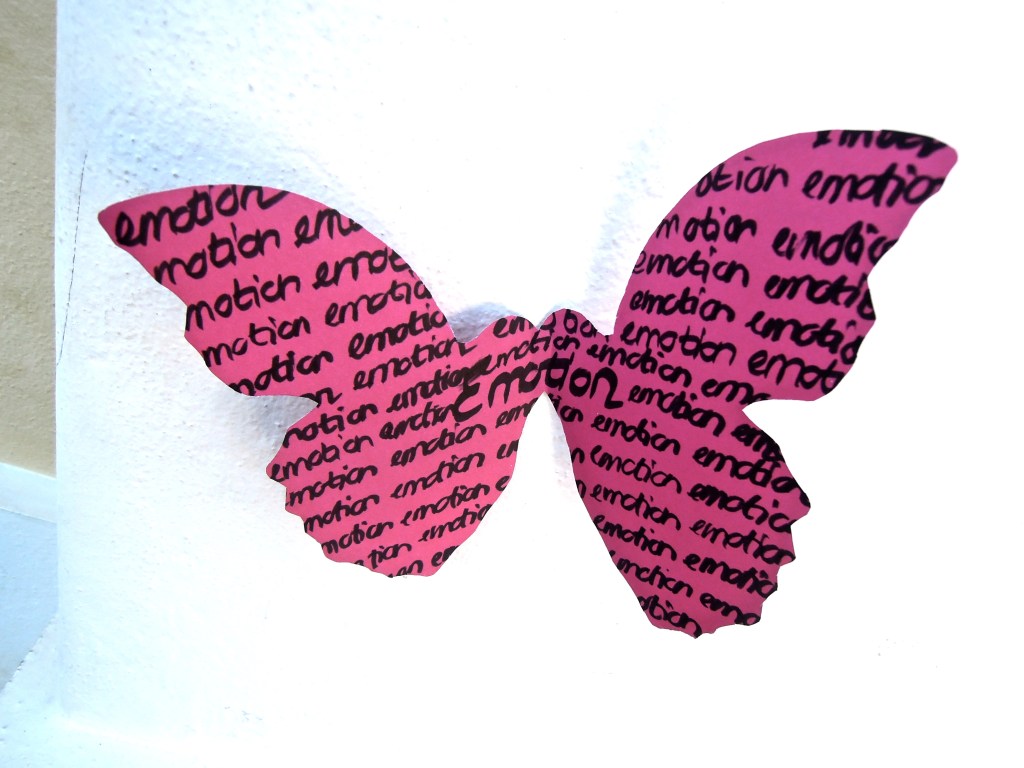
2012, ‘Muse’, Paper Installation. Goethe Centre Windhoek Boundary Wall 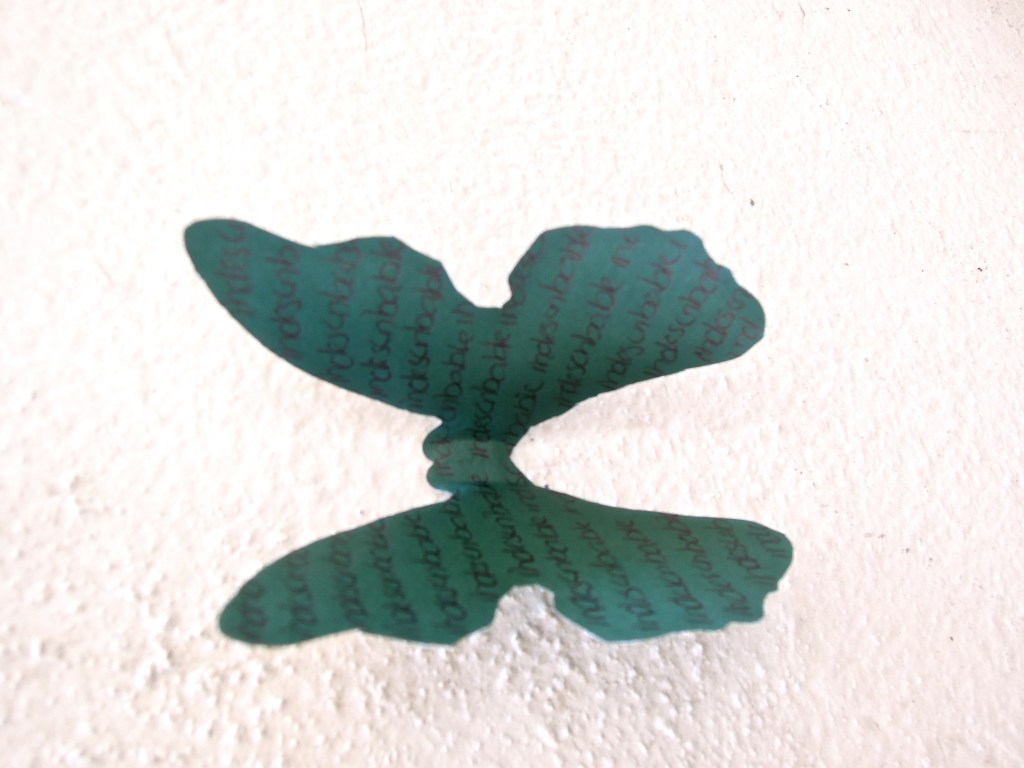
2012, ‘Muse’, Paper Installation. Goethe Centre Windhoek Boundary Wall 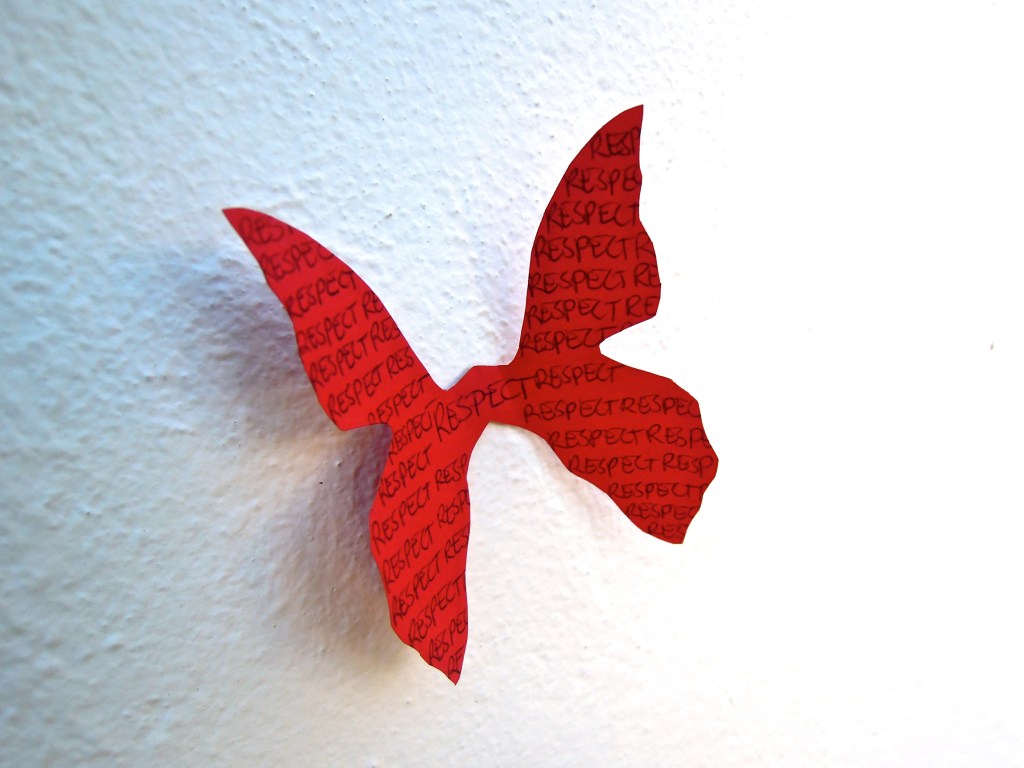
2012, ‘Muse’, Paper Installation. Goethe Centre Windhoek Boundary Wall 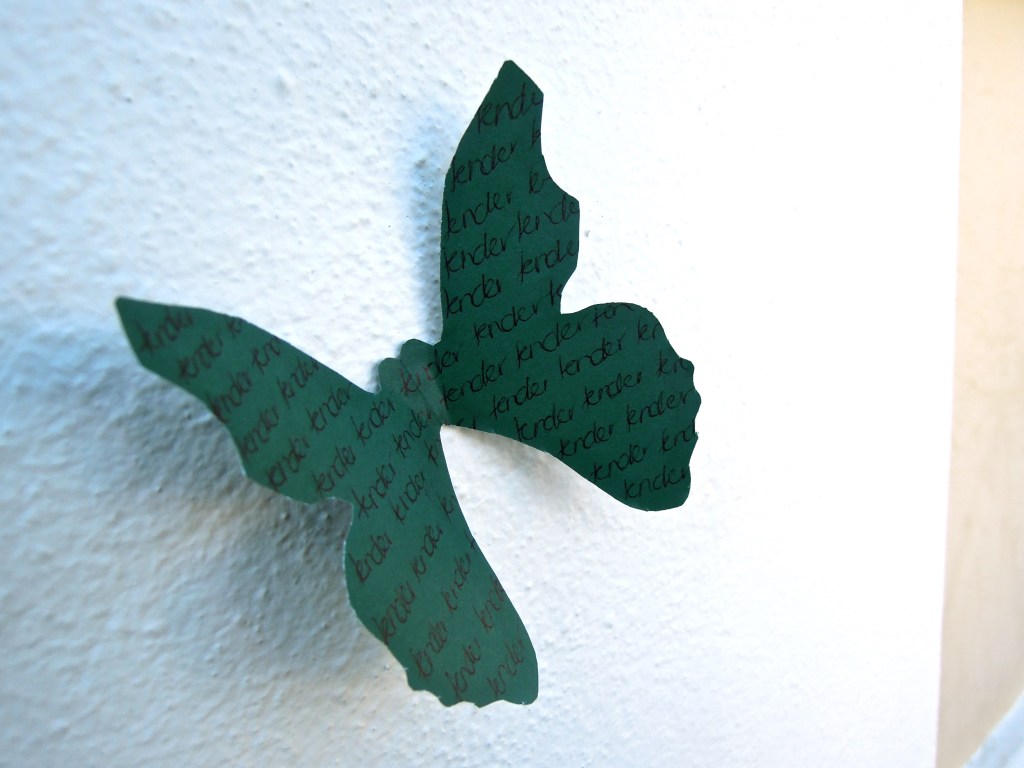
2012, ‘Muse’, Paper Installation. Goethe Centre Windhoek Boundary Wall 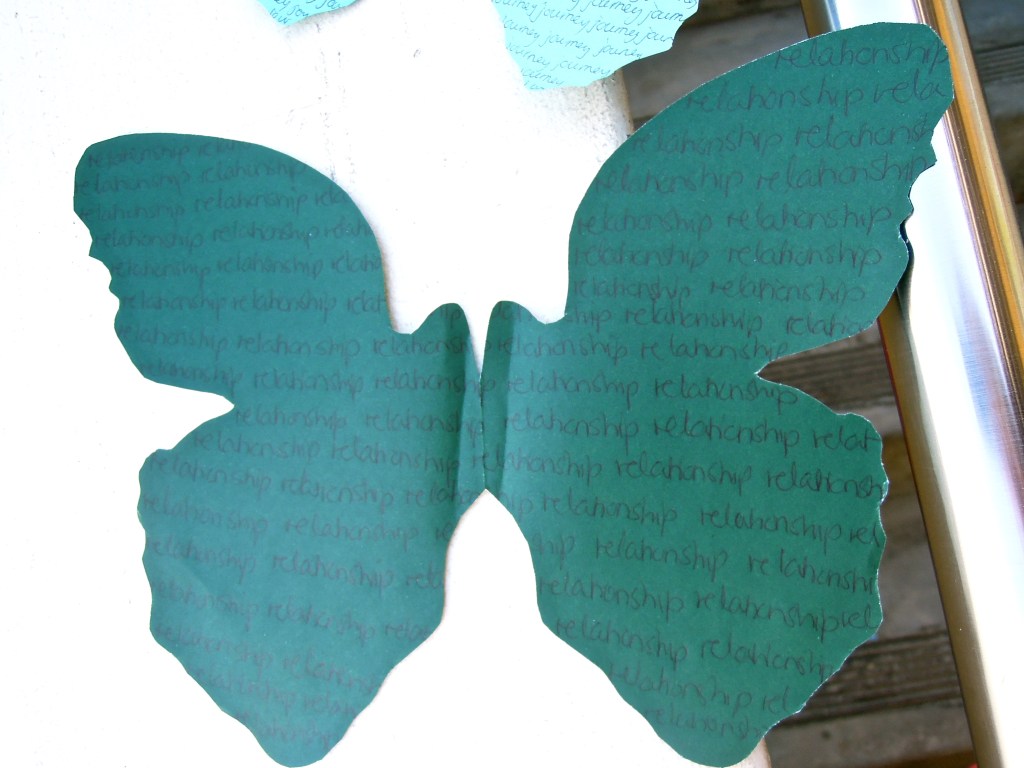
2012, ‘Muse’, Paper Installation. Goethe Centre Windhoek Boundary Wall 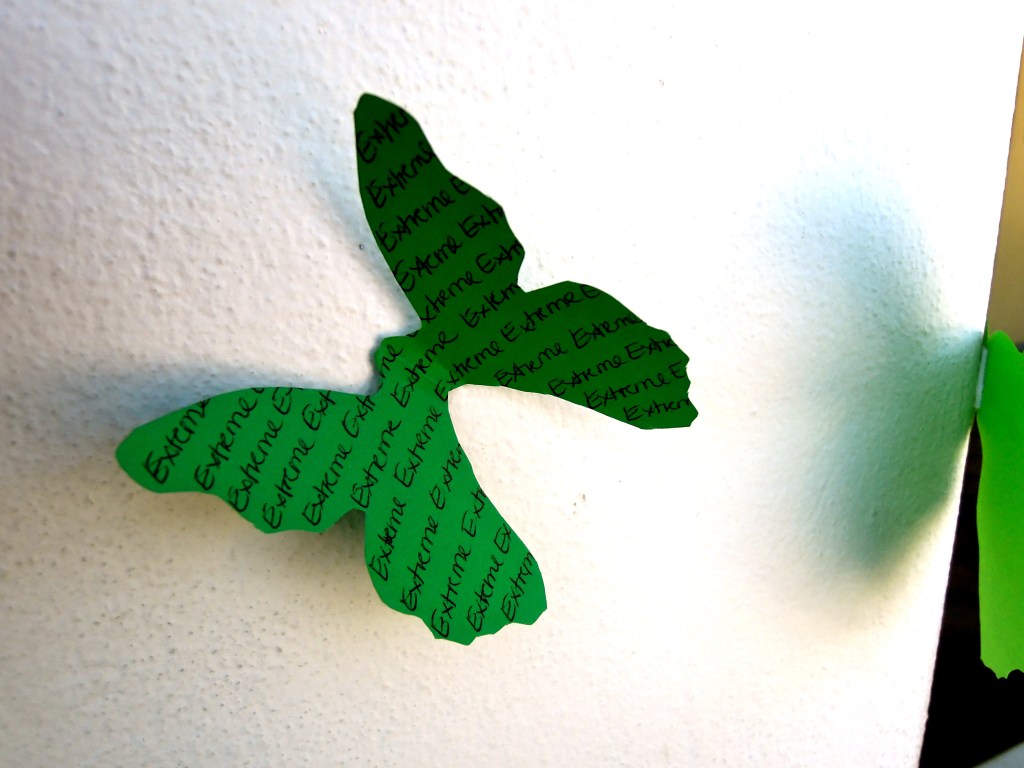
2012, ‘Muse’, Paper Installation. Goethe Centre Windhoek Boundary Wall 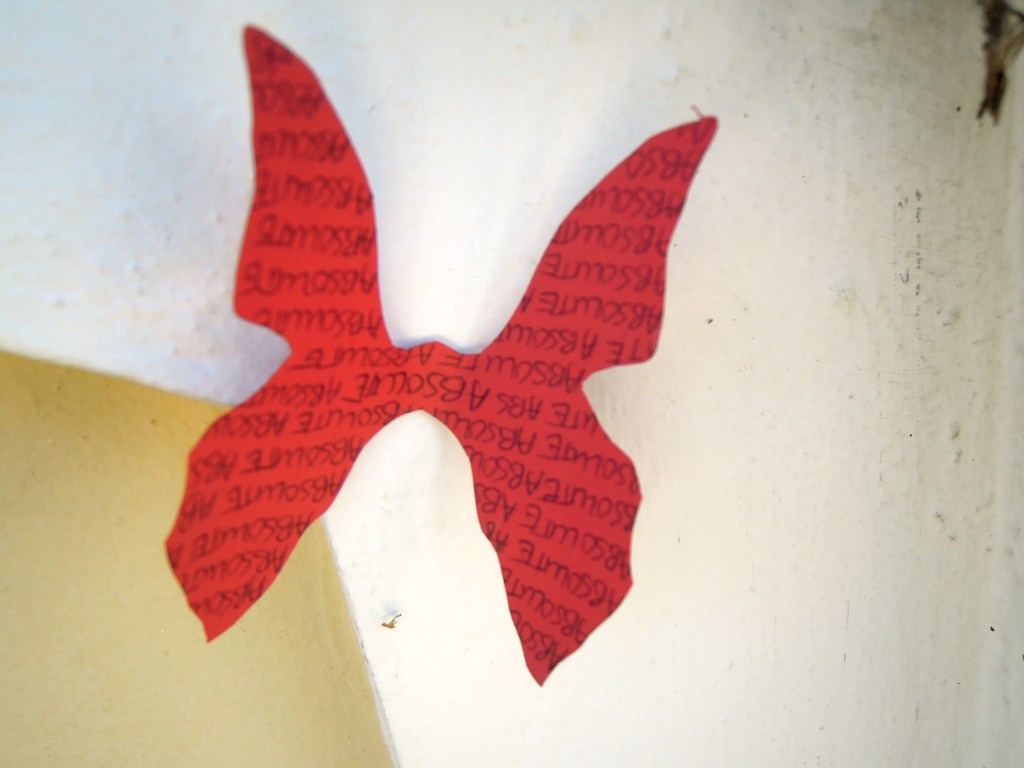
2012, ‘Muse’, Paper Installation. Goethe Centre Windhoek Boundary Wall 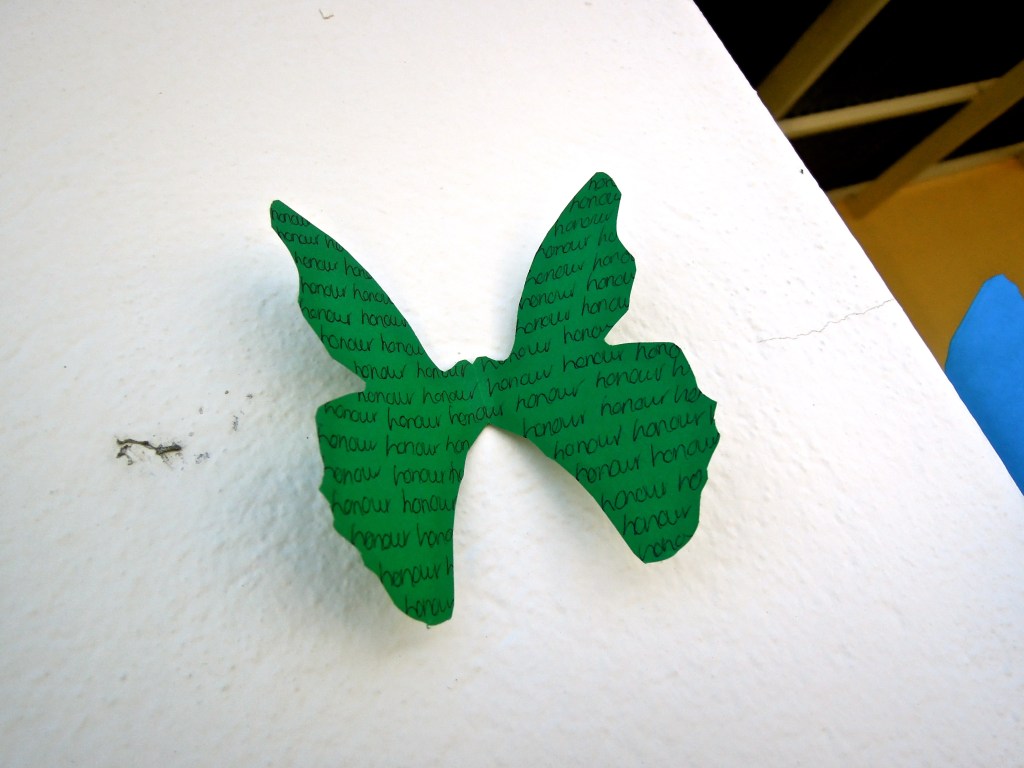
2012, ‘Muse’, Paper Installation. Goethe Centre Windhoek Boundary Wall 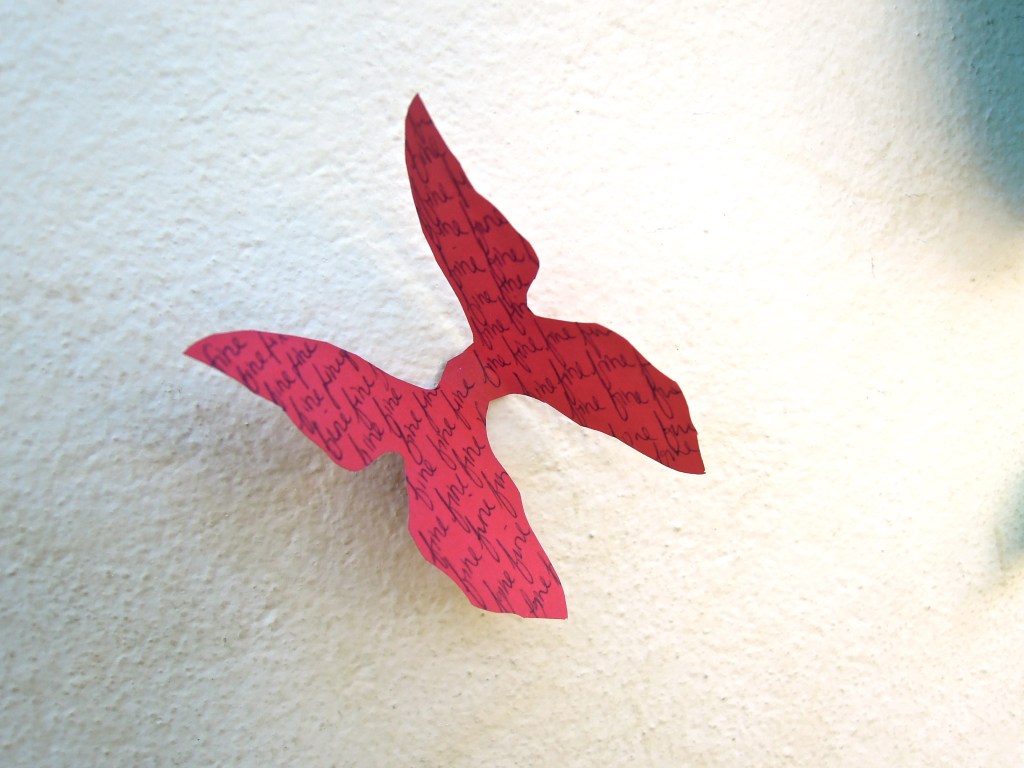
2012, ‘Muse’, Paper Installation. Goethe Centre Windhoek Boundary Wall 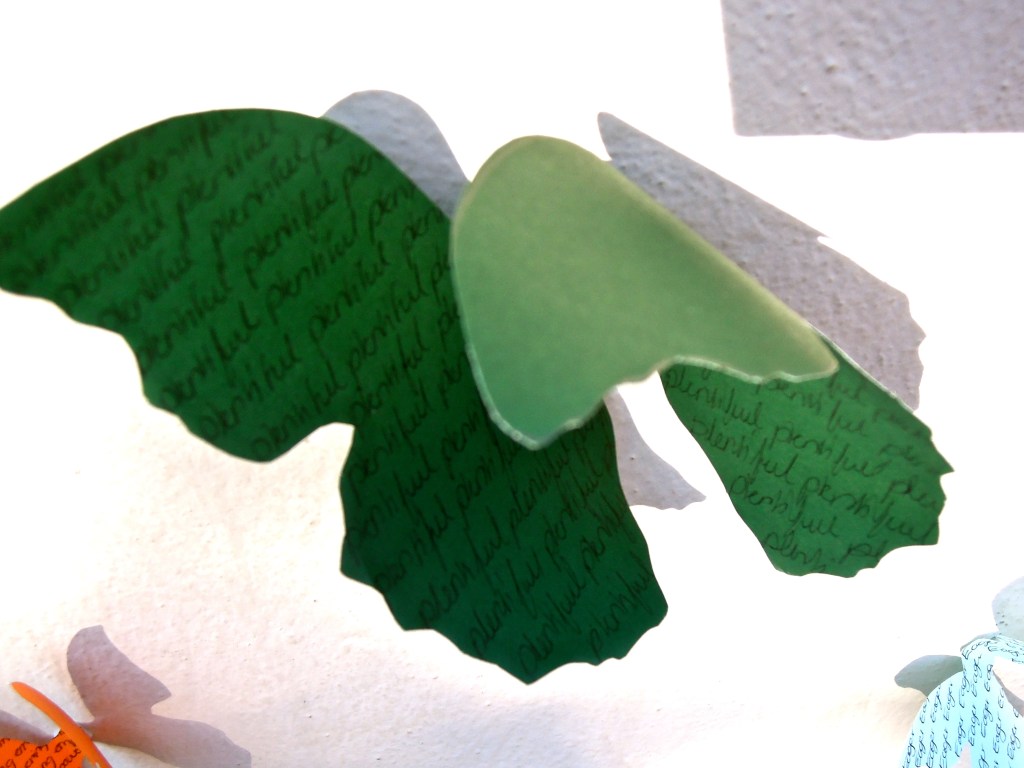
2012, ‘Muse’, Paper Installation. Goethe Centre Windhoek Boundary Wall 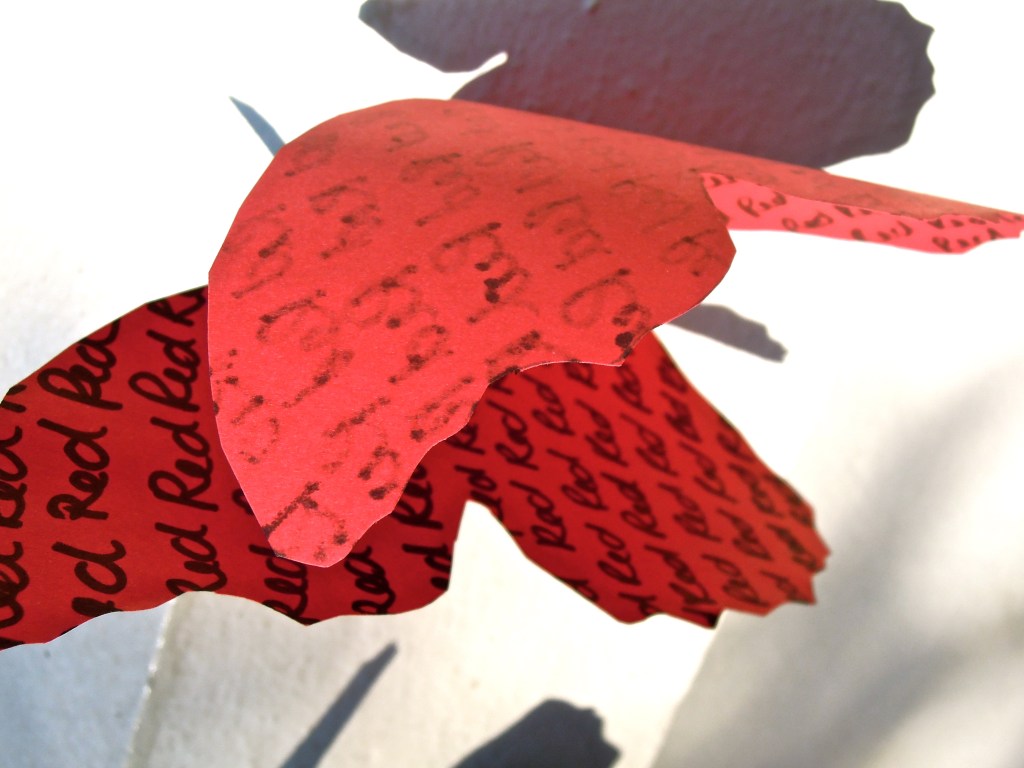
2012, ‘Muse’, Paper Installation. Goethe Centre Windhoek Boundary Wall 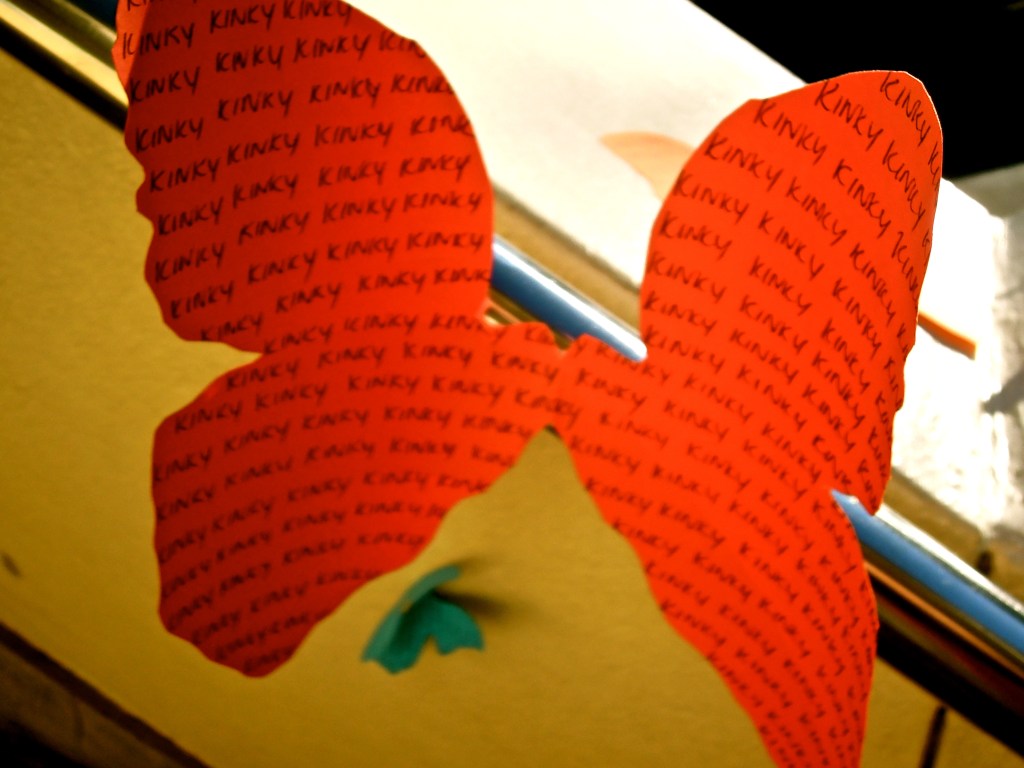
2012, ‘Muse’, Paper Installation. Goethe Centre Windhoek Boundary Wall 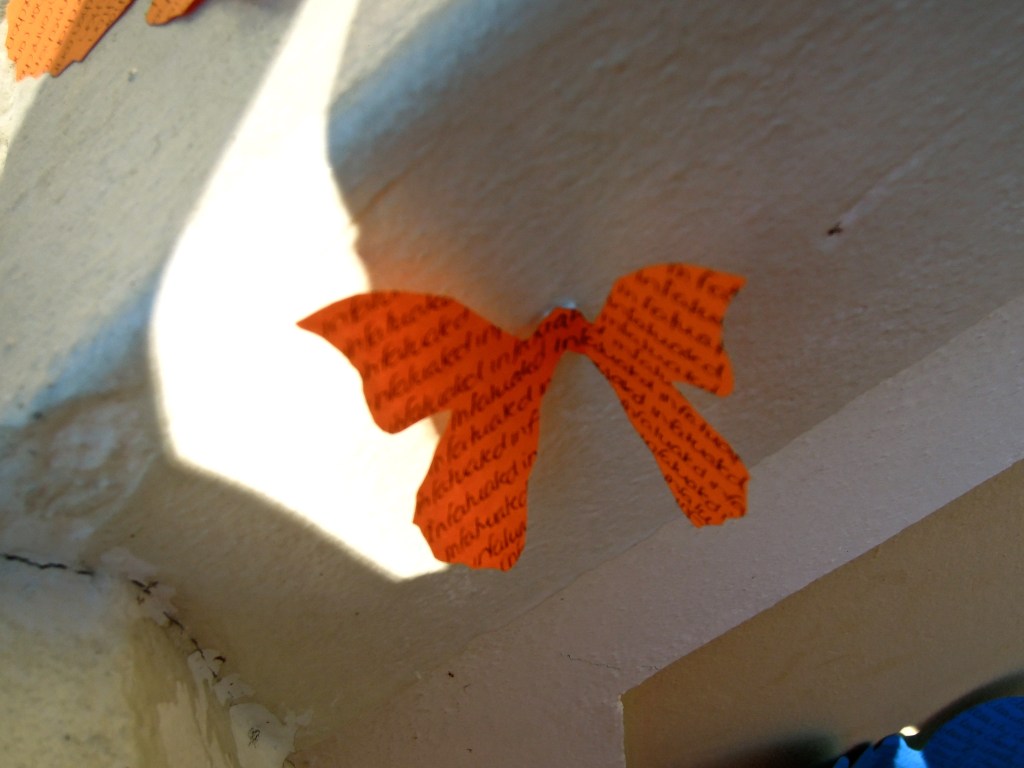
2012, ‘Muse’, Paper Installation. Goethe Centre Windhoek Boundary Wall 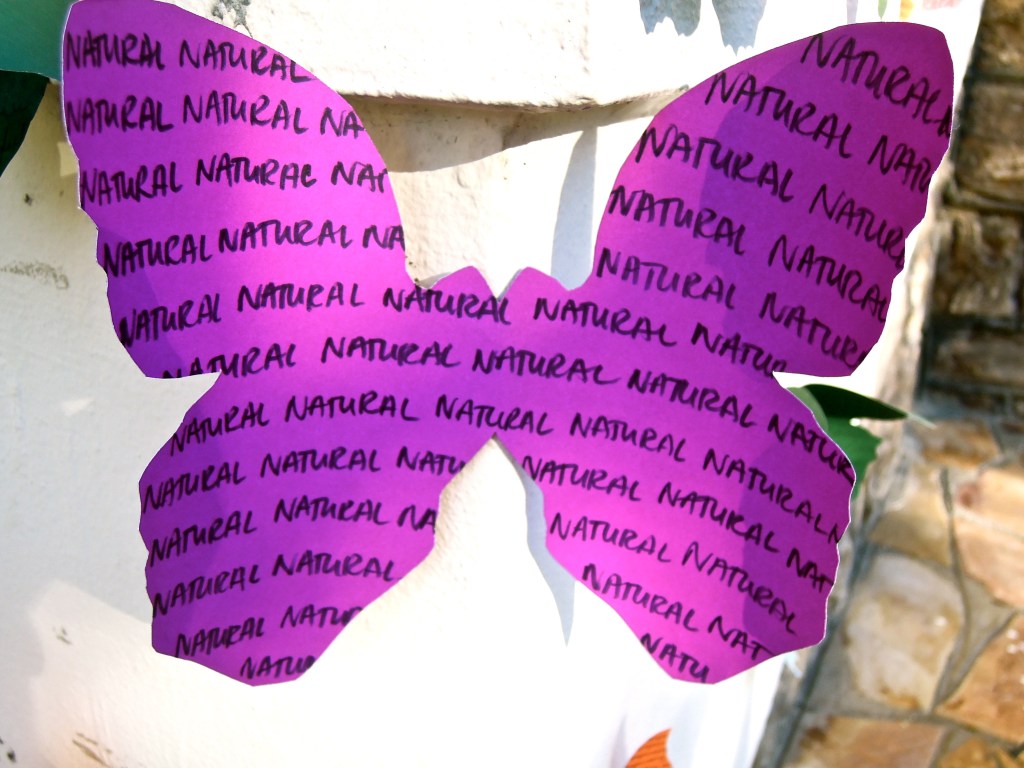
2012, ‘Muse’, Paper Installation. Goethe Centre Windhoek Boundary Wall 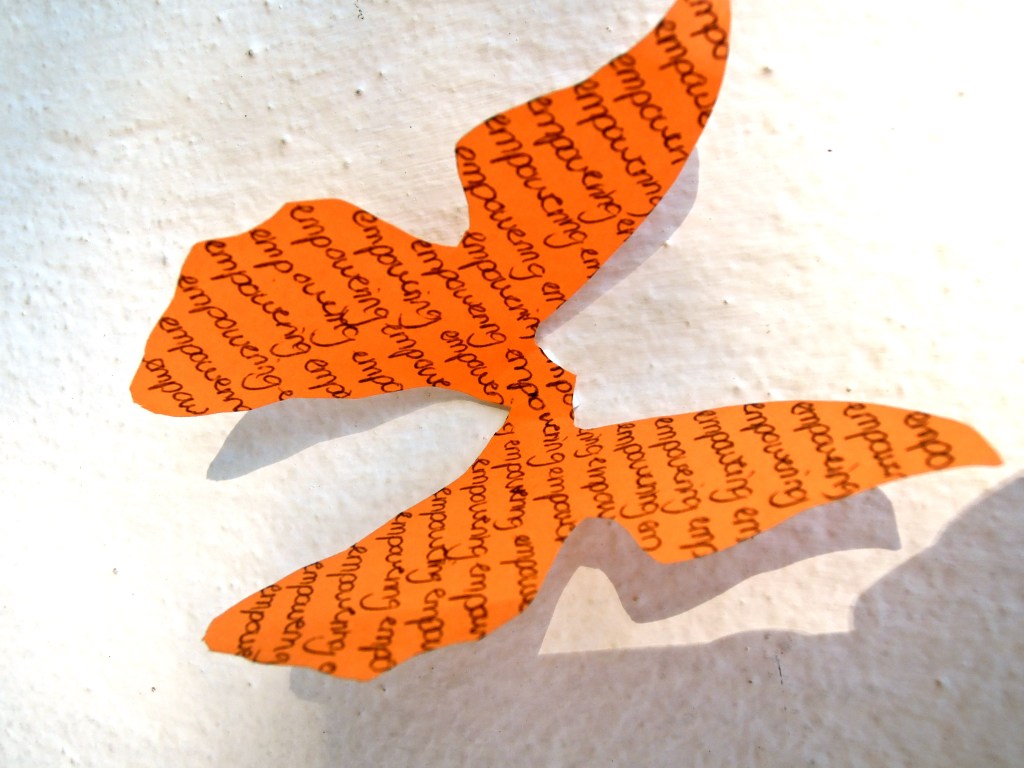
2012, ‘Muse’, Paper Installation. Goethe Centre Windhoek Boundary Wall 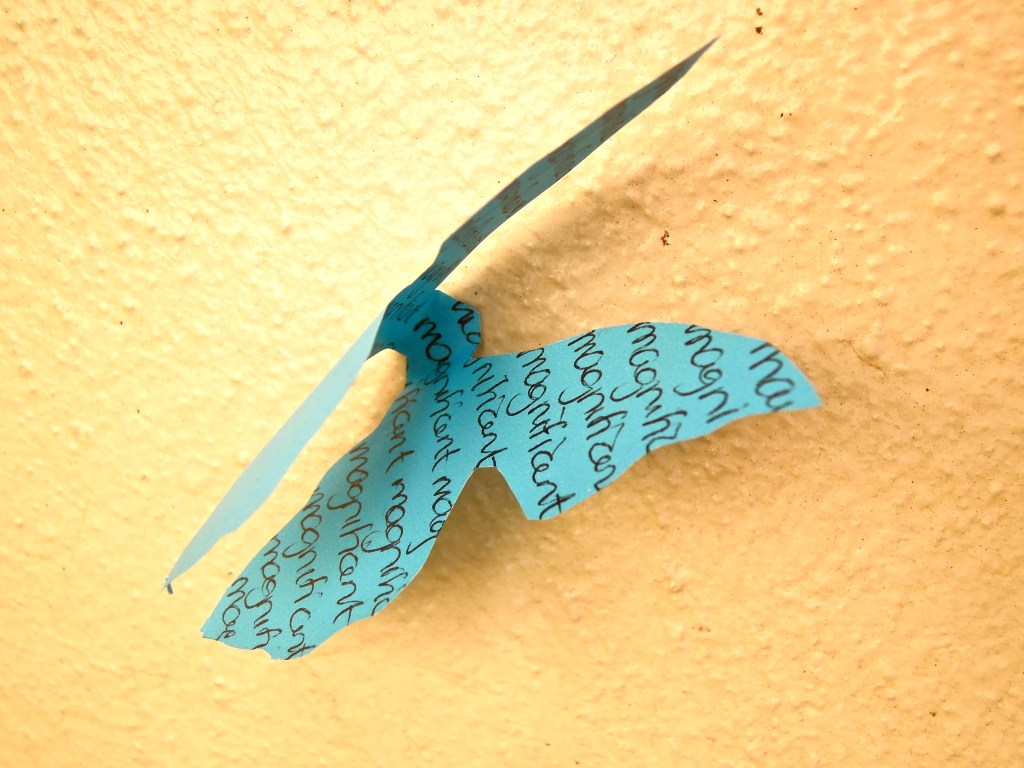
2012, ‘Muse’, Paper Installation. Goethe Centre Windhoek Boundary Wall 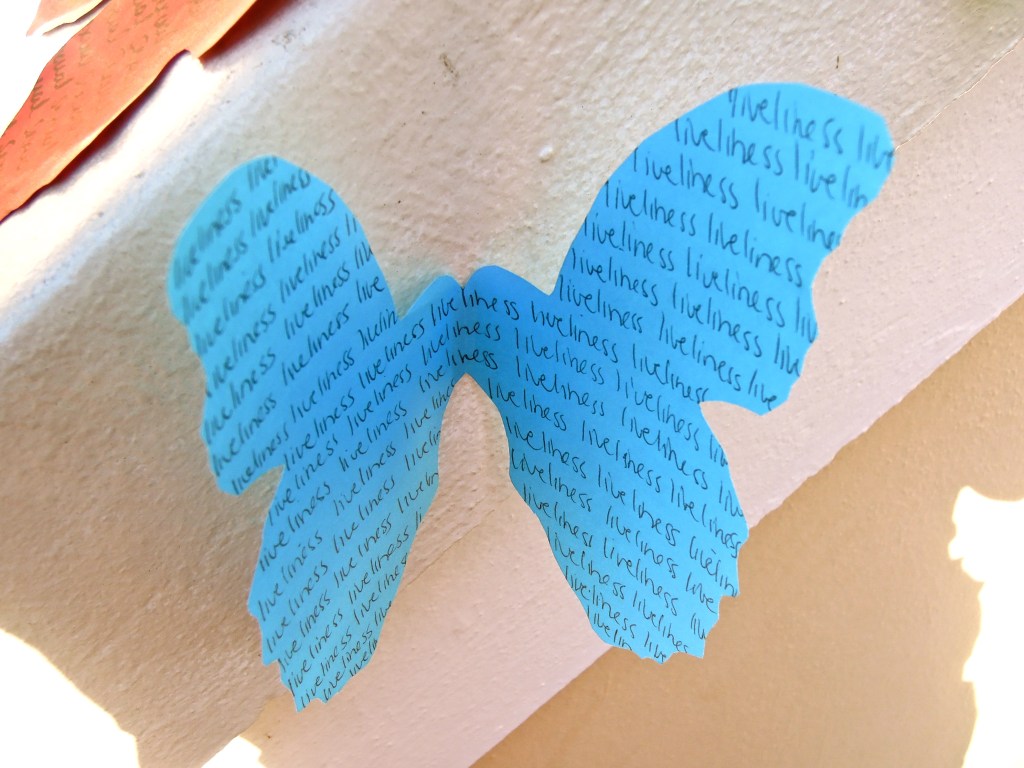
2012, ‘Muse’, Paper Installation. Goethe Centre Windhoek Boundary Wall 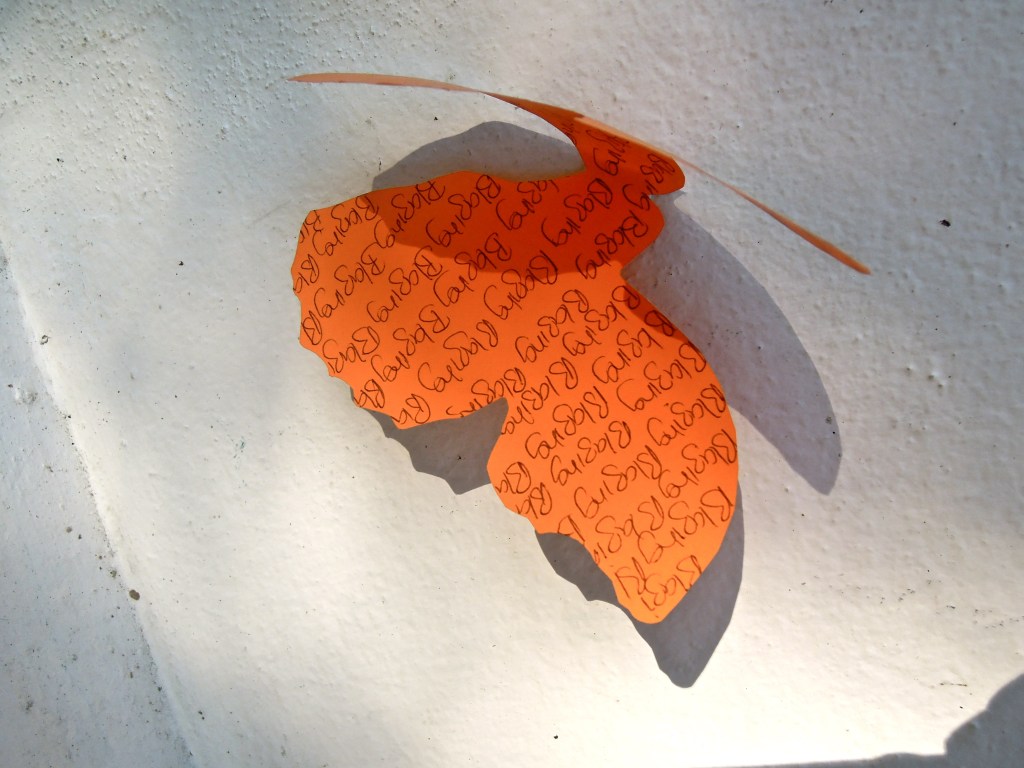
2012, ‘Muse’, Paper Installation. Goethe Centre Windhoek Boundary Wall 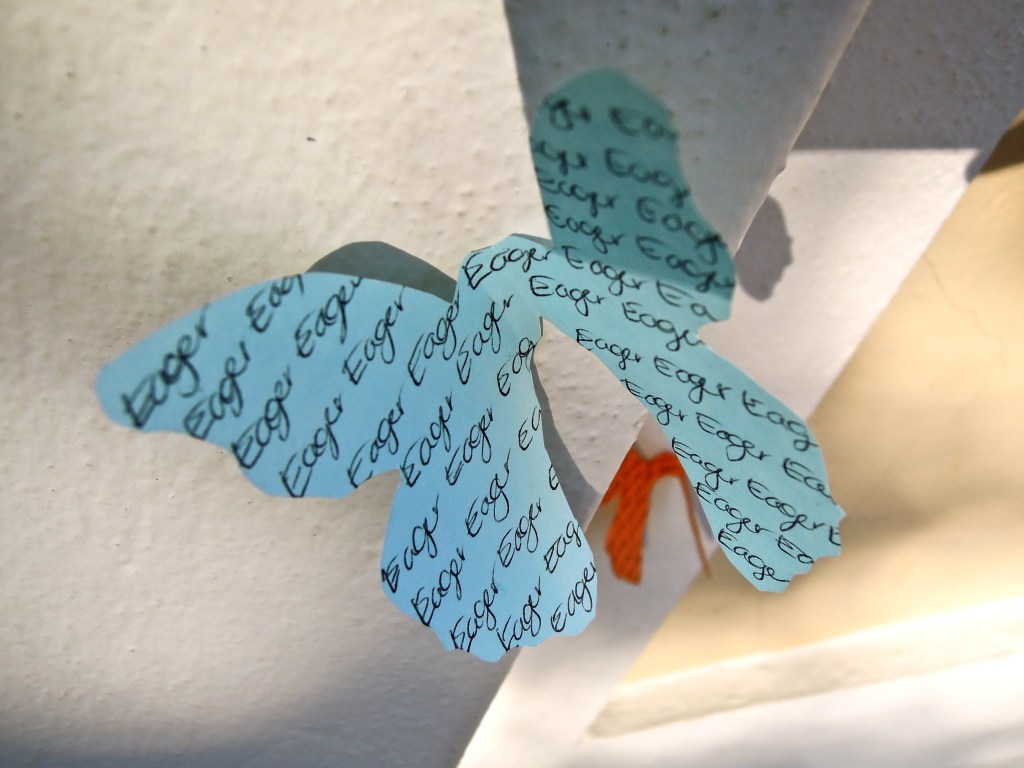
2012, ‘Muse’, Paper Installation. Goethe Centre Windhoek Boundary Wall 
2012, ‘Muse’, Paper Installation. Goethe Centre Windhoek Boundary Wall 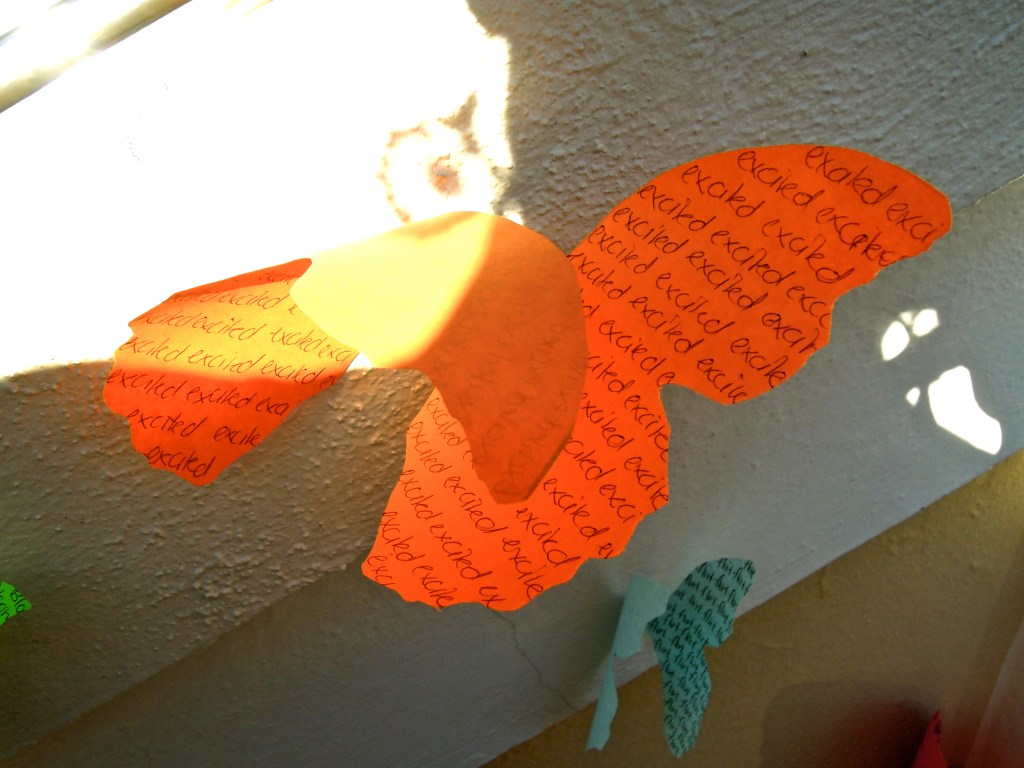
2012, ‘Muse’, Paper Installation. Goethe Centre Windhoek Boundary Wall 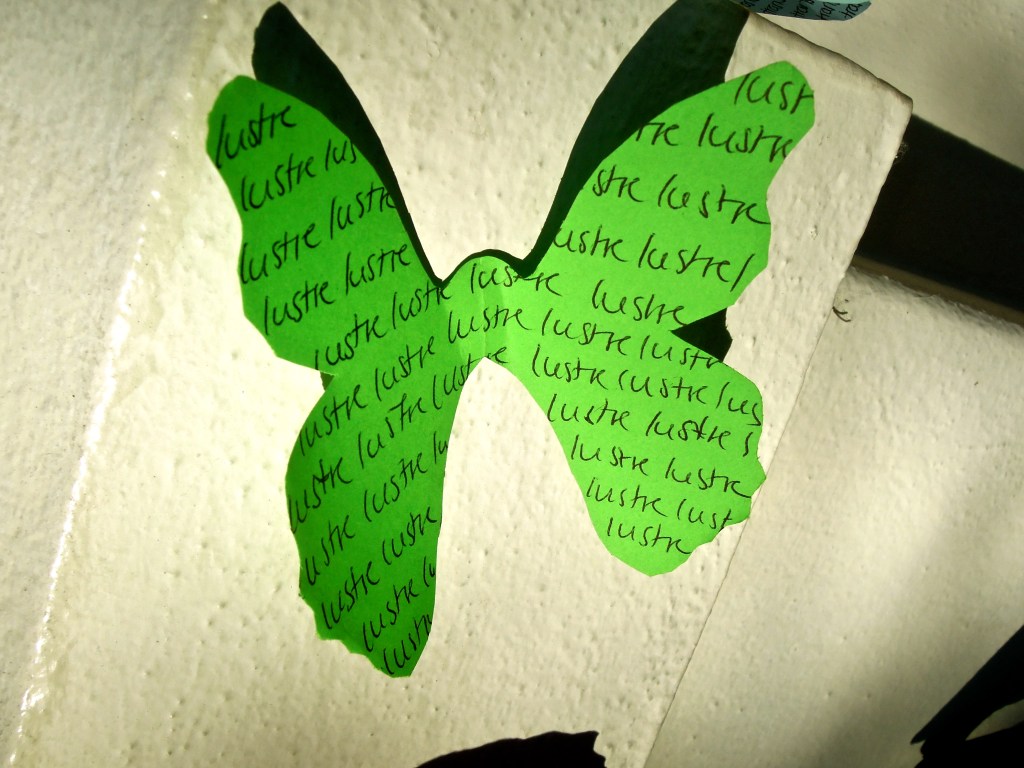
2012, ‘Muse’, Paper Installation. Goethe Centre Windhoek Boundary Wall 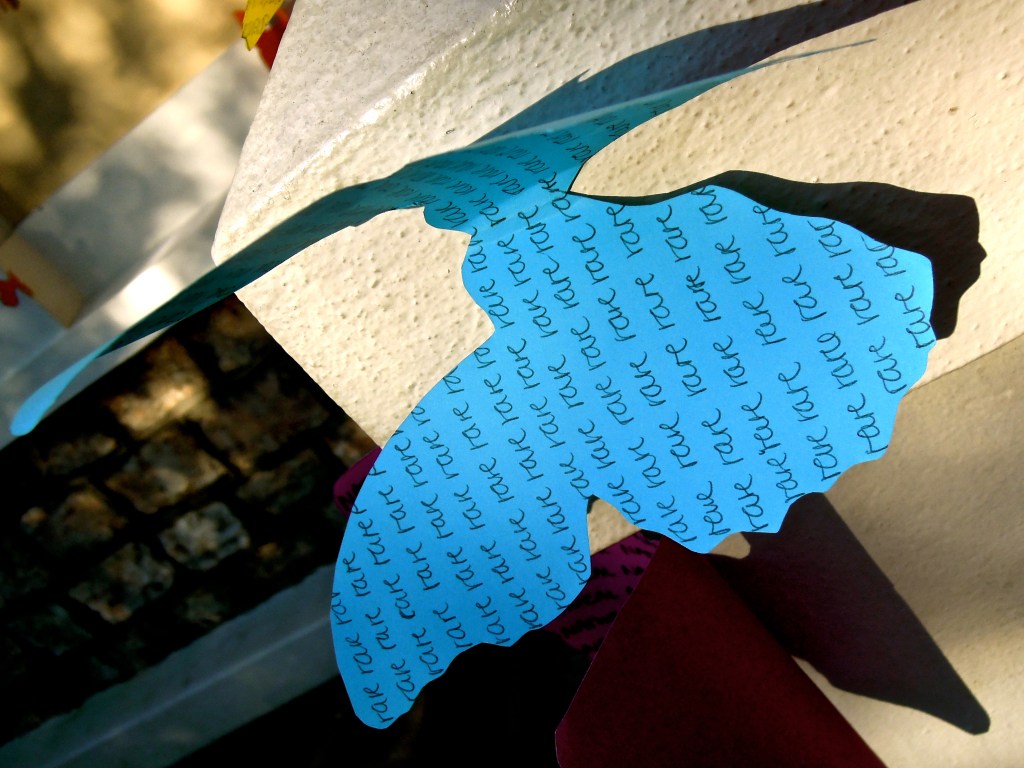
2012, ‘Muse’, Paper Installation. Goethe Centre Windhoek Boundary Wall 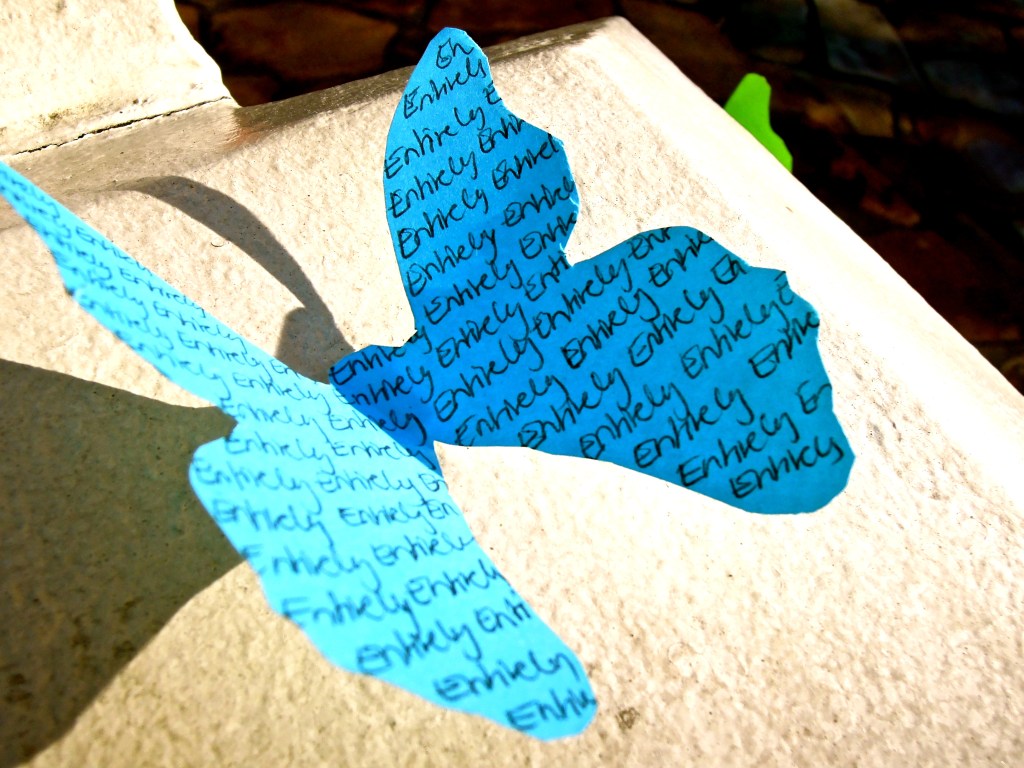
2012, ‘Muse’, Paper Installation. Goethe Centre Windhoek Boundary Wall 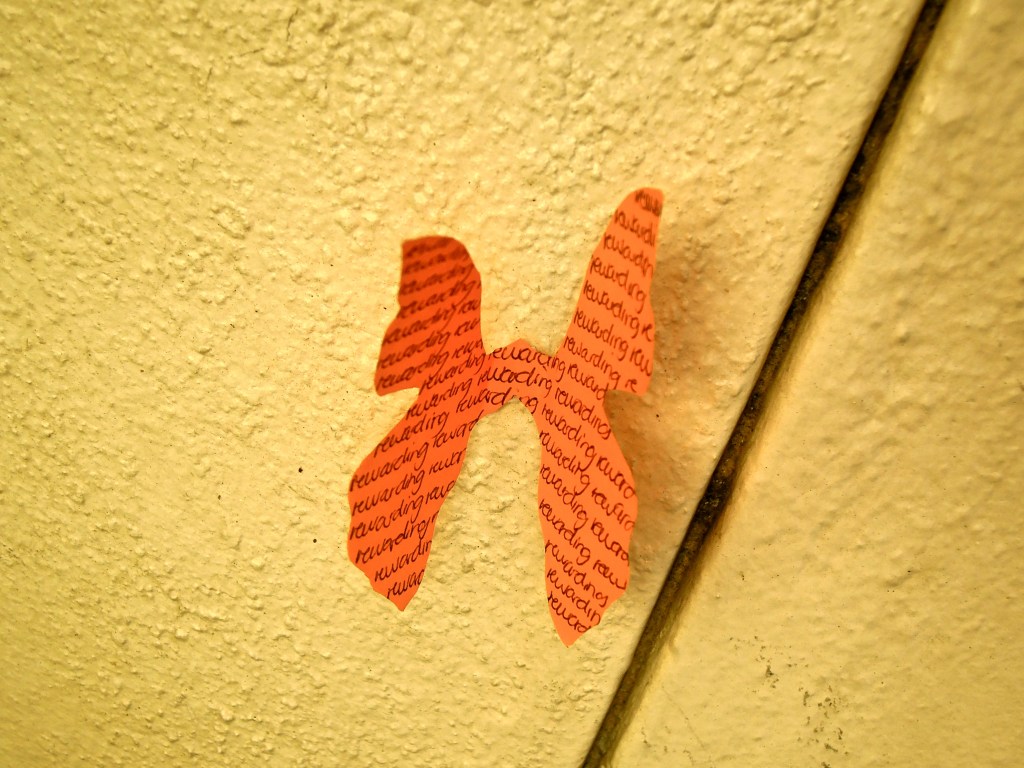
2012, ‘Muse’, Paper Installation. Goethe Centre Windhoek Boundary Wall 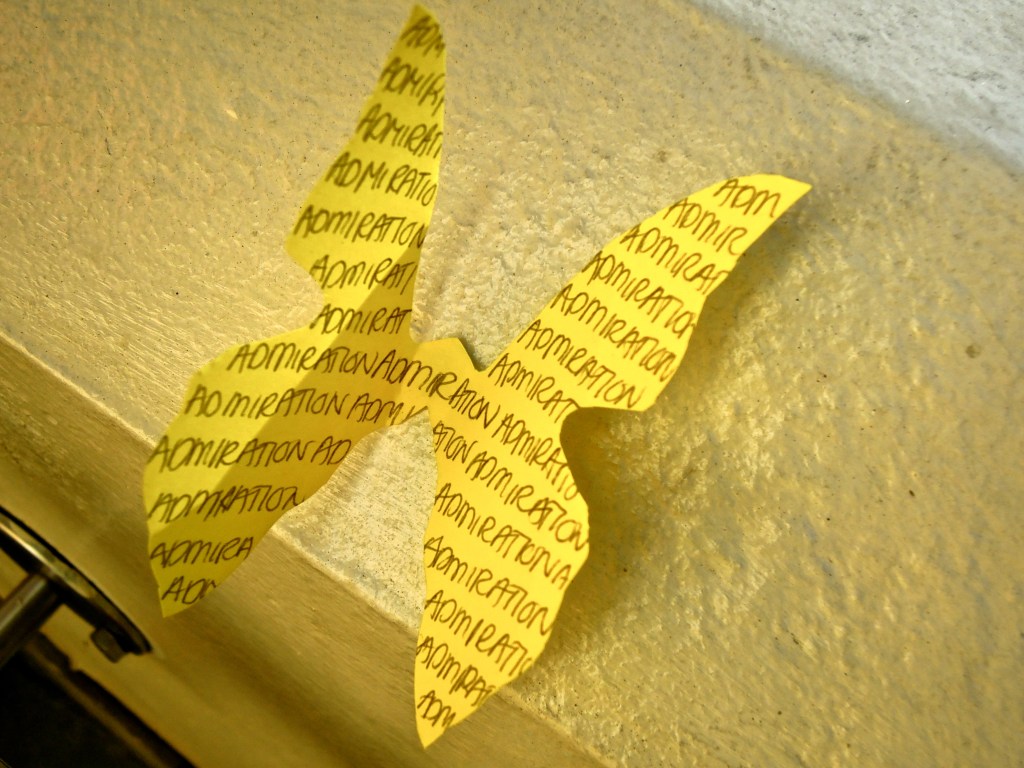
2012, ‘Muse’, Paper Installation. Goethe Centre Windhoek Boundary Wall 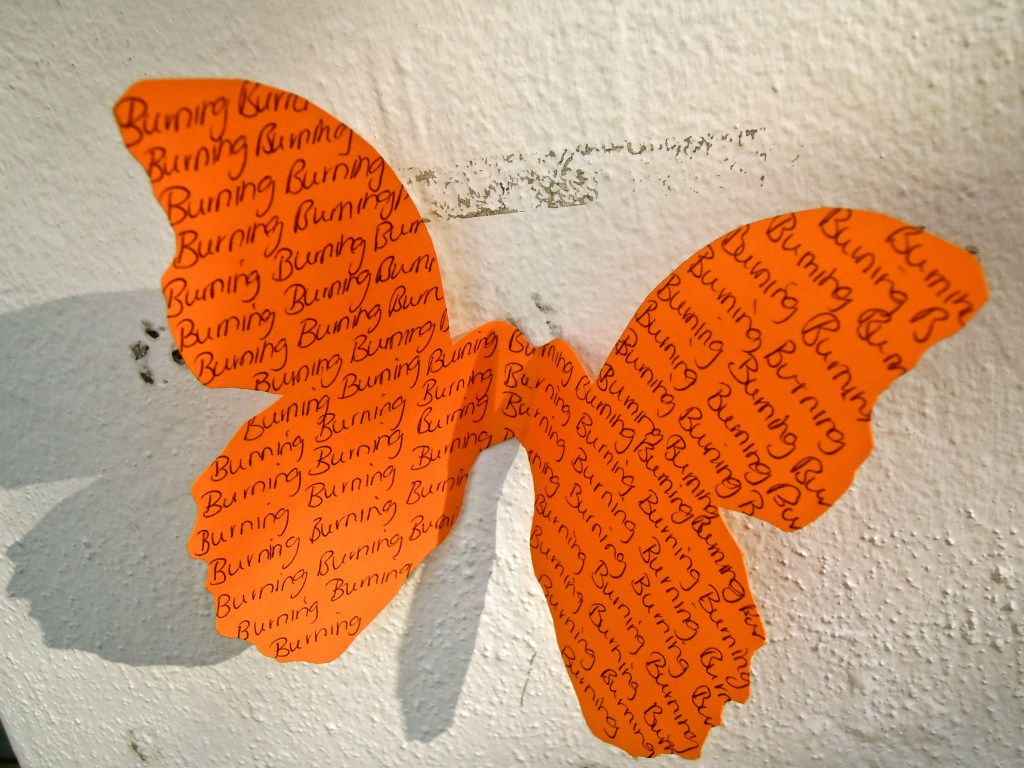
2012, ‘Muse’, Paper Installation. Goethe Centre Windhoek Boundary Wall 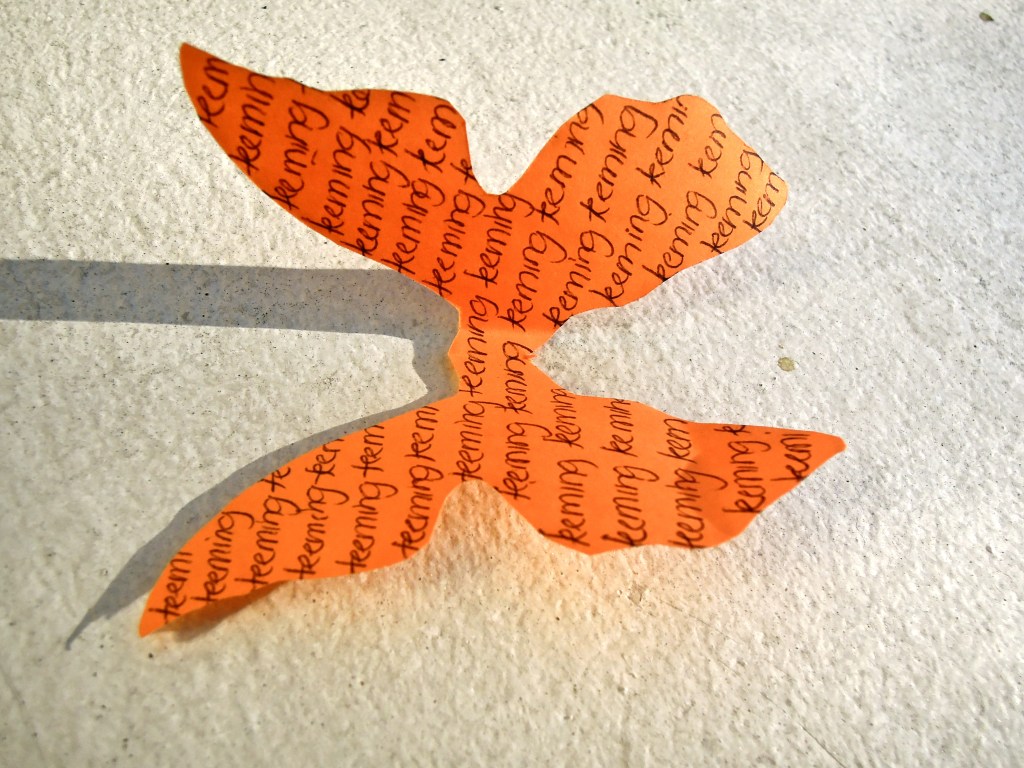
2012, ‘Muse’, Paper Installation. Goethe Centre Windhoek Boundary Wall 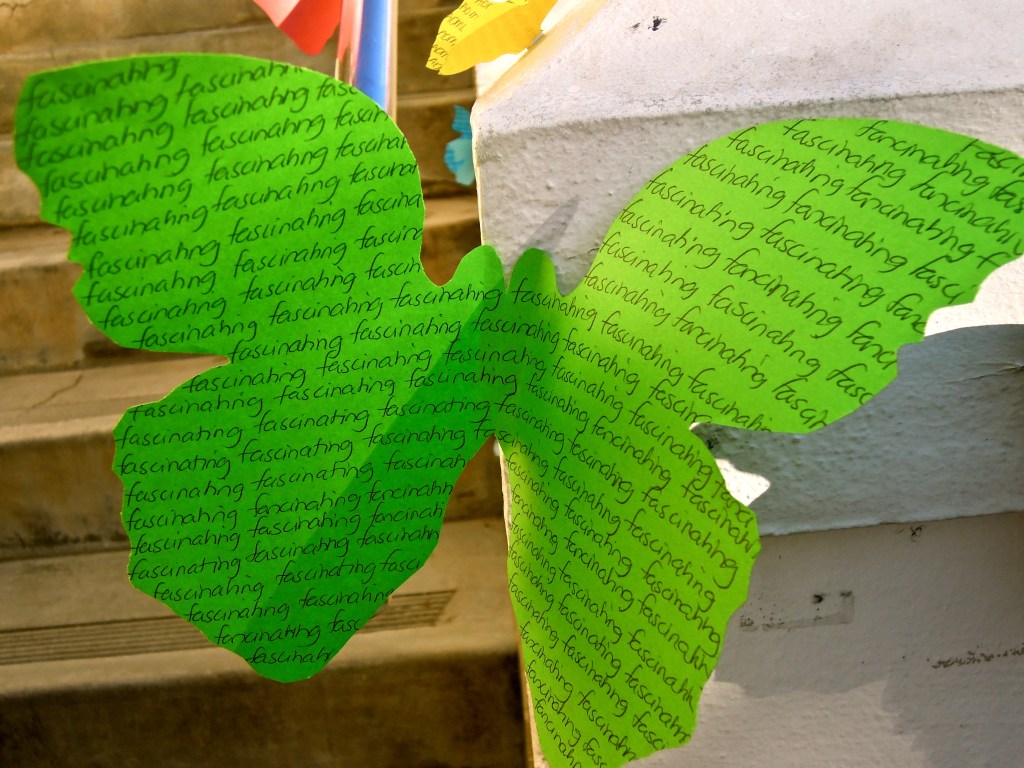
2012, ‘Muse’, Paper Installation. Goethe Centre Windhoek Boundary Wall 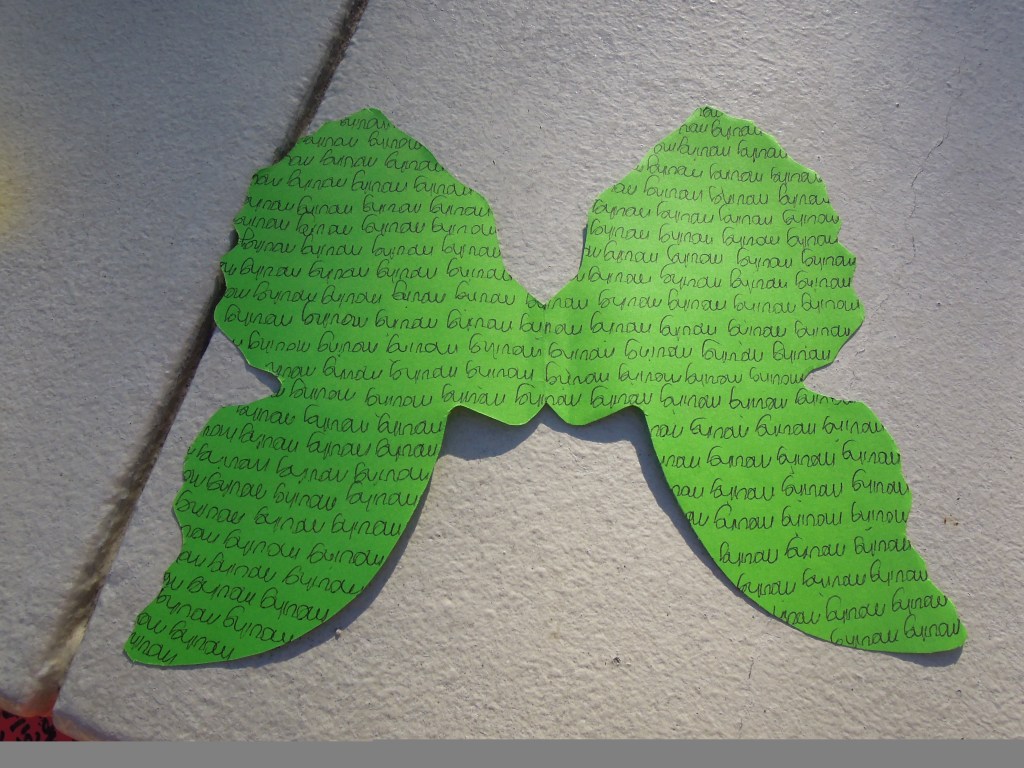
2012, ‘Muse’, Paper Installation. Goethe Centre Windhoek Boundary Wall 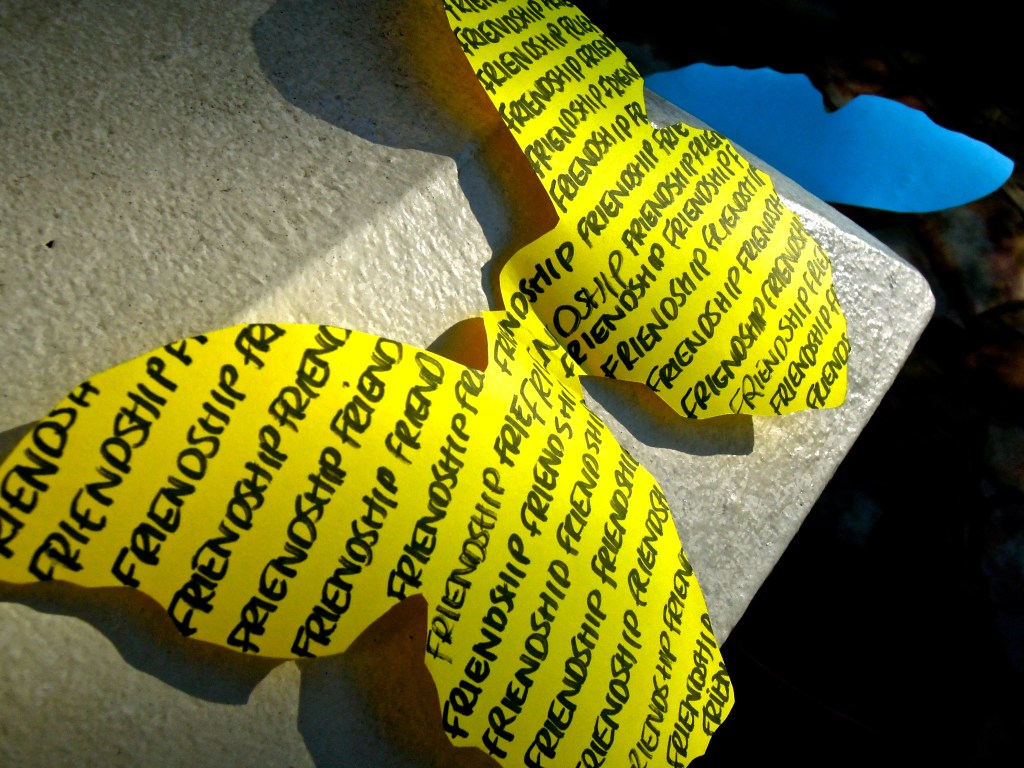
2012, ‘Muse’, Paper Installation. Goethe Centre Windhoek Boundary Wall 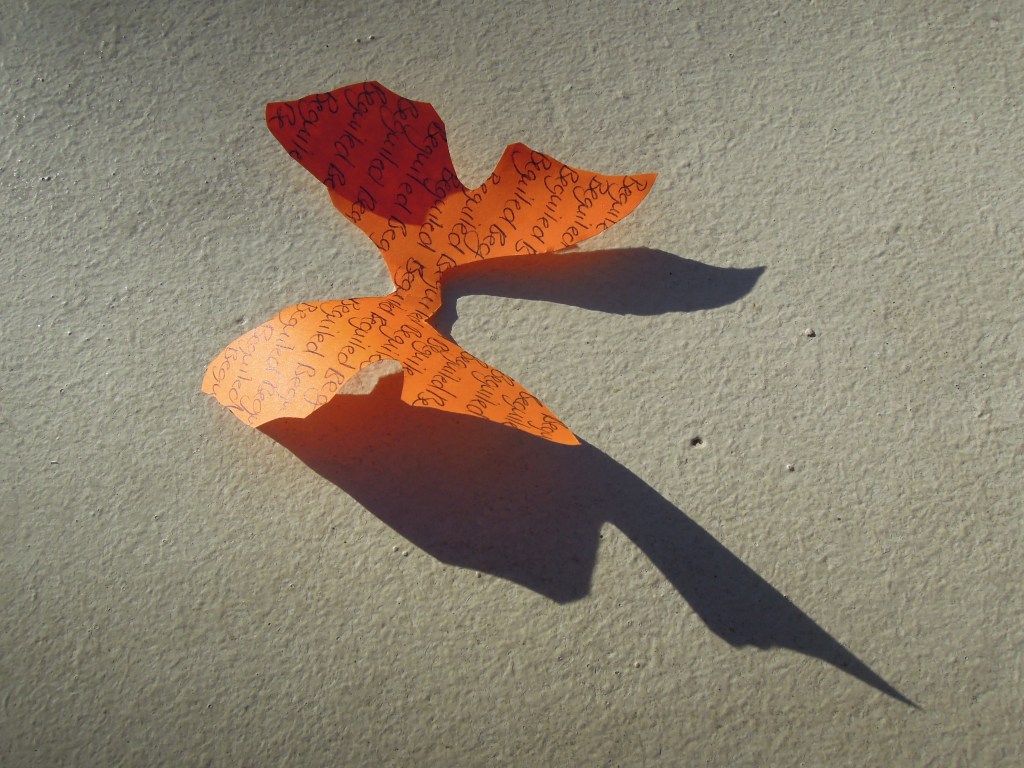
2012, ‘Muse’, Paper Installation. Goethe Centre Windhoek Boundary Wall 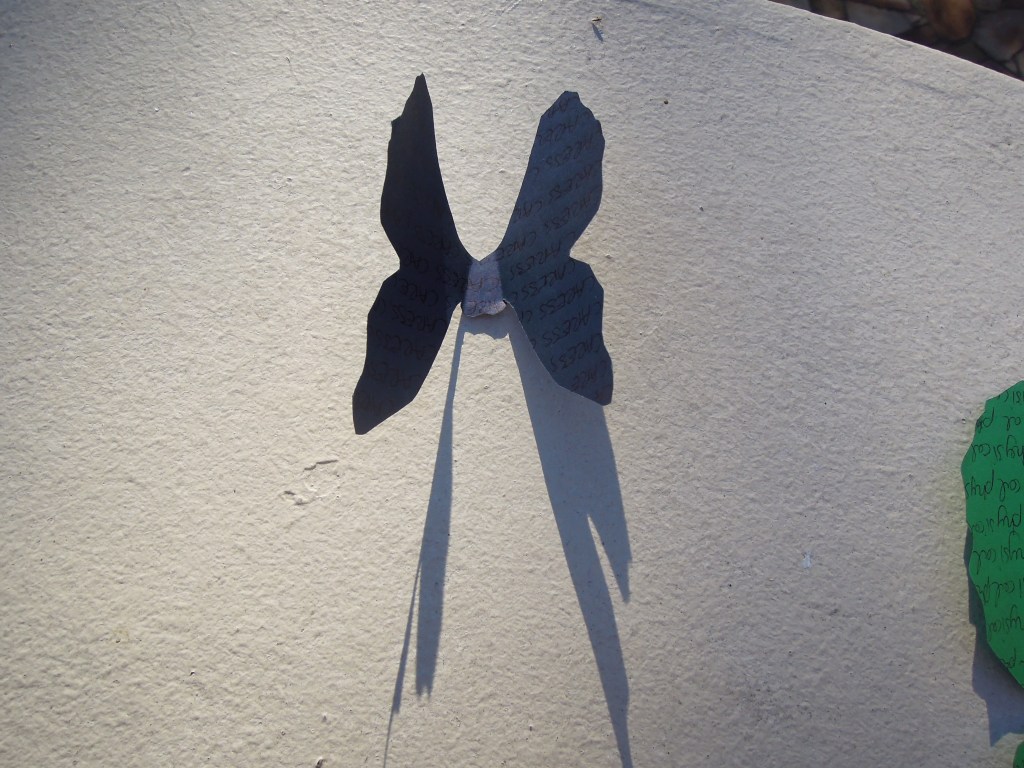
2012, ‘Muse’, Paper Installation. Goethe Centre Windhoek Boundary Wall
Label (2012)
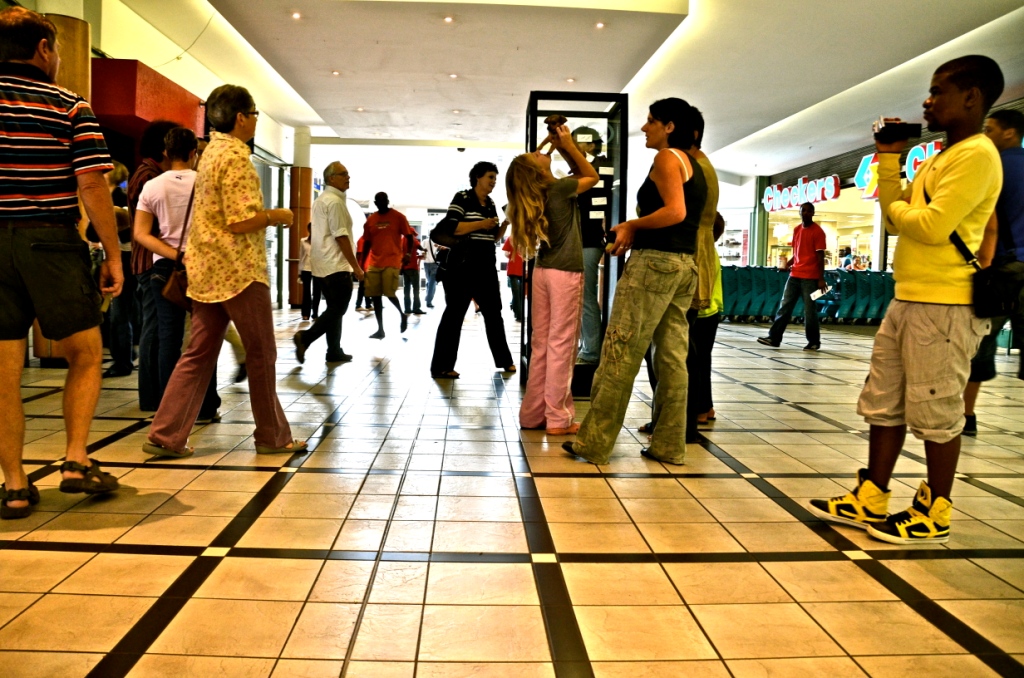
Label was a participatory performance conducted in a shopping mall. Positioned within a transparent structure, I invited passers-by to label me using stickers and markers. The work externalised processes of judgement and categorisation, rendering visible how language and projection shape perception.
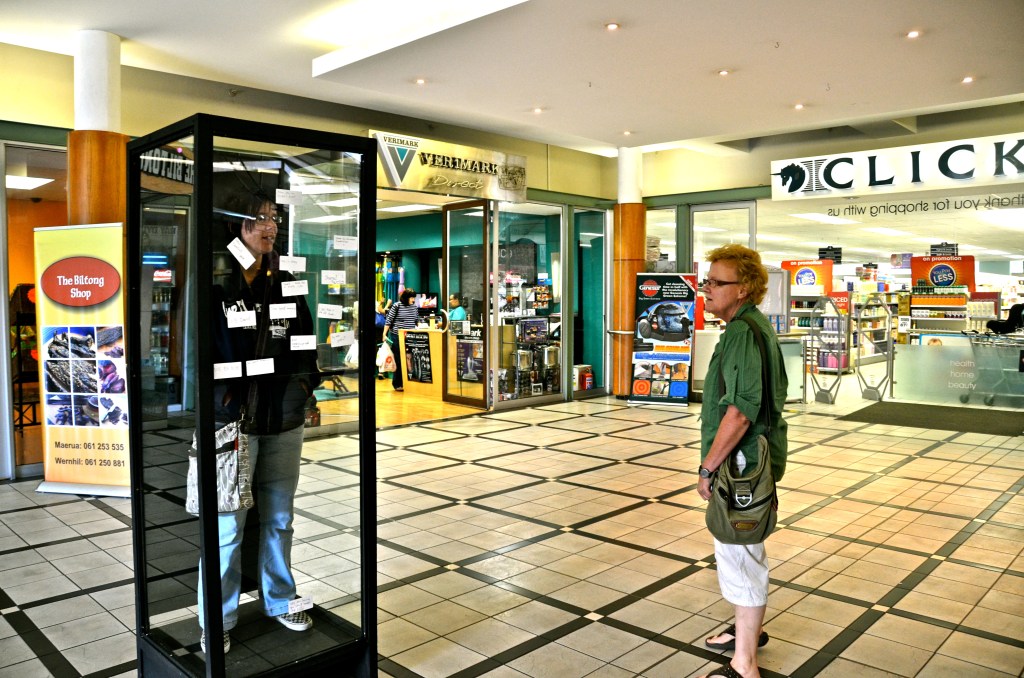
2012, ‘Label’, Performance Maerua Mall, Windhoek, Namibia 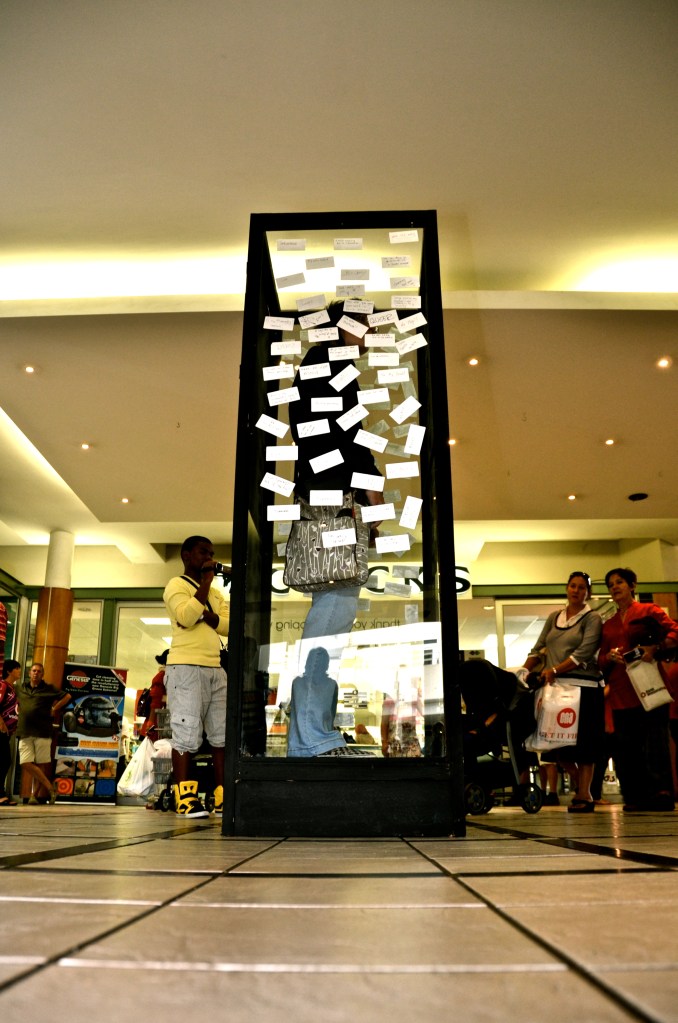
2012, ‘Label’, Maerua Mall, Windhoek, Namibia.Wechslberger stood in the self-made glass box and provided people andpassers-by, her co-actors, with stickers and markers to label her. 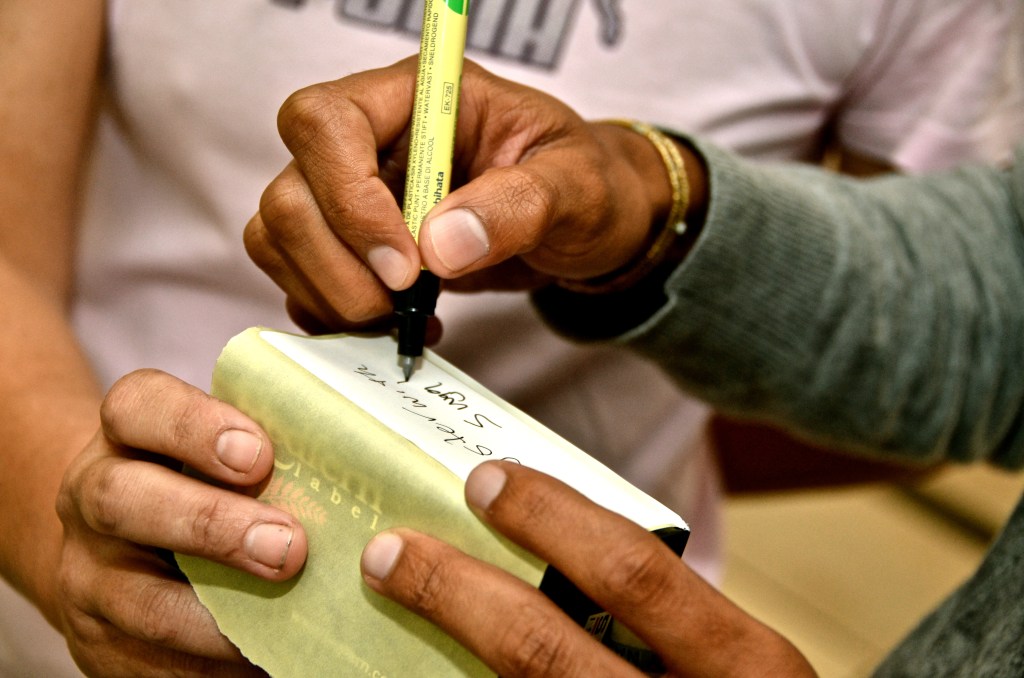
2012, ‘Label’, Maerua Mall, Windhoek, Namibia.Wechslberger stood in the self-made glass box and provided people andpassers-by, her co-actors, with stickers and markers to label her. 
2012, ‘Label’, Maerua Mall, Windhoek, Namibia.Wechslberger stood in the self-made glass box and provided people andpassers-by, her co-actors, with stickers and markers to label her. 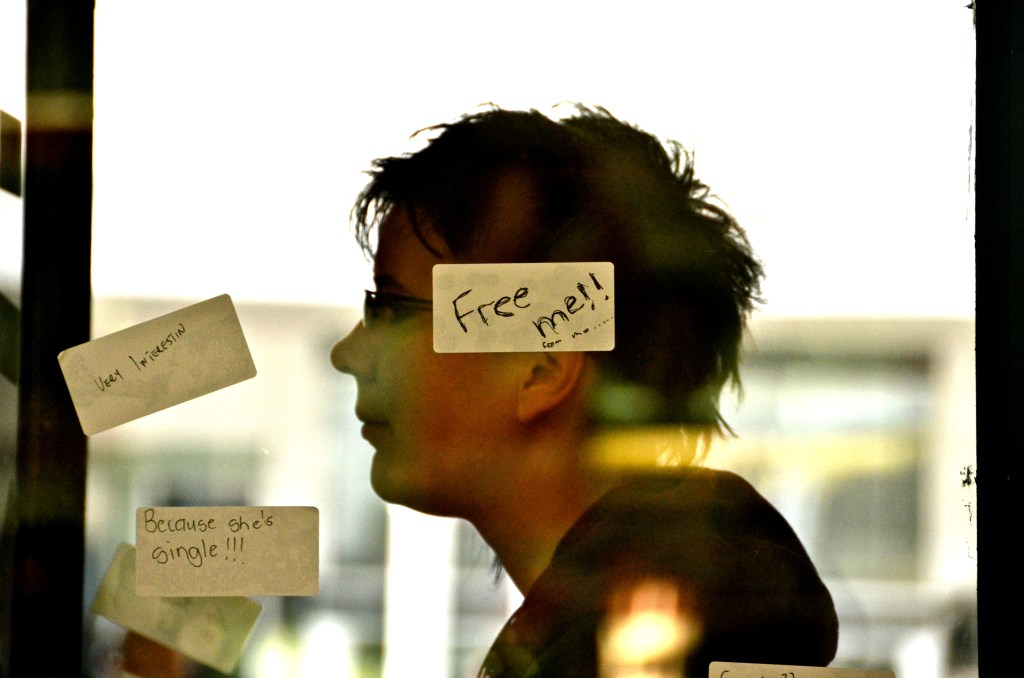
Participatory Performance ‘Label’, 2012 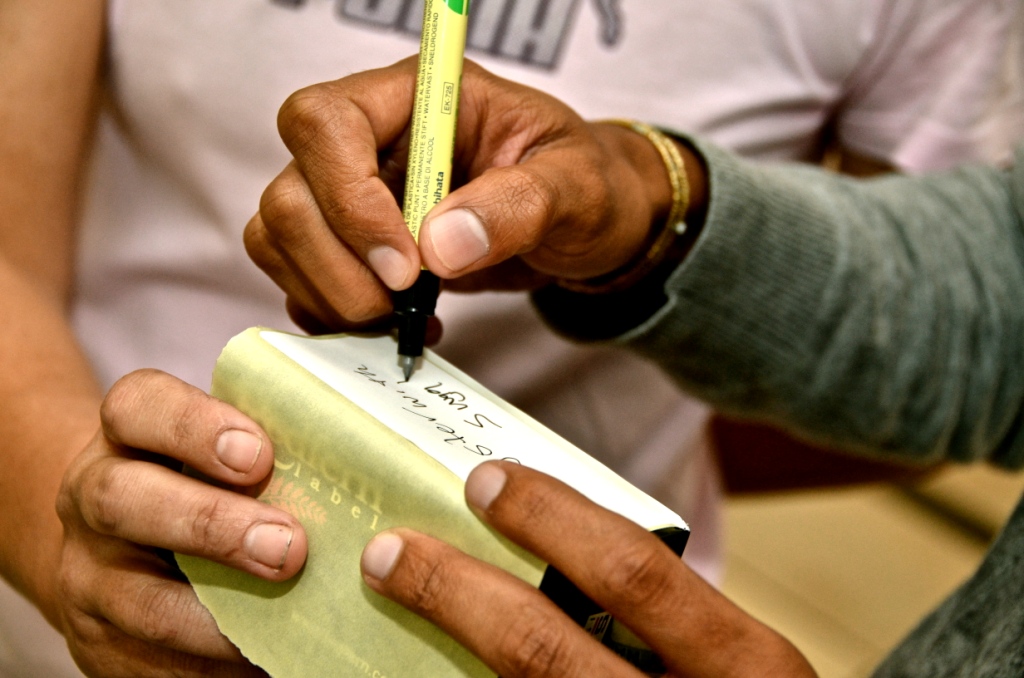
???????????????????????????????????? 
2012, ‘Label’, Maerua Mall, Windhoek, Namibia.Wechslberger stood in the self-made glass box and provided people andpassers-by, her co-actors, with stickers and markers to label her. 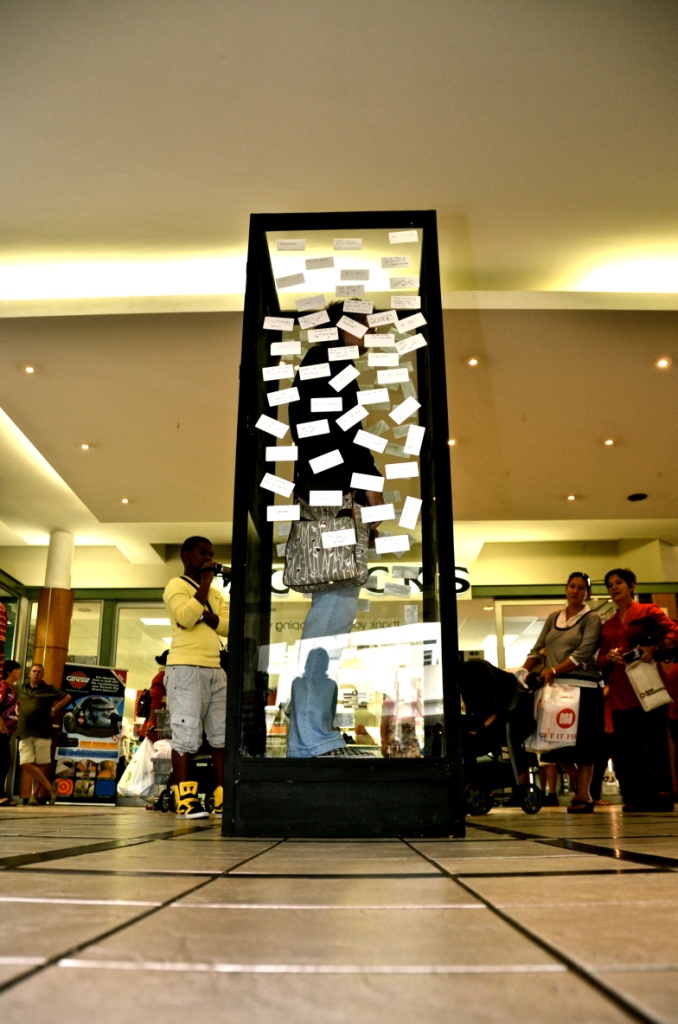
Participatory Preformance ‘Label’, 2012 (Participant writing a comment)
Conscious Connections
Conscious Connections examined the fragility and labour of relational bonds. Structures assembled through extended effort could collapse in a moment, producing new forms. The work foregrounded vulnerability, impermanence, and transformation as inherent to connection.
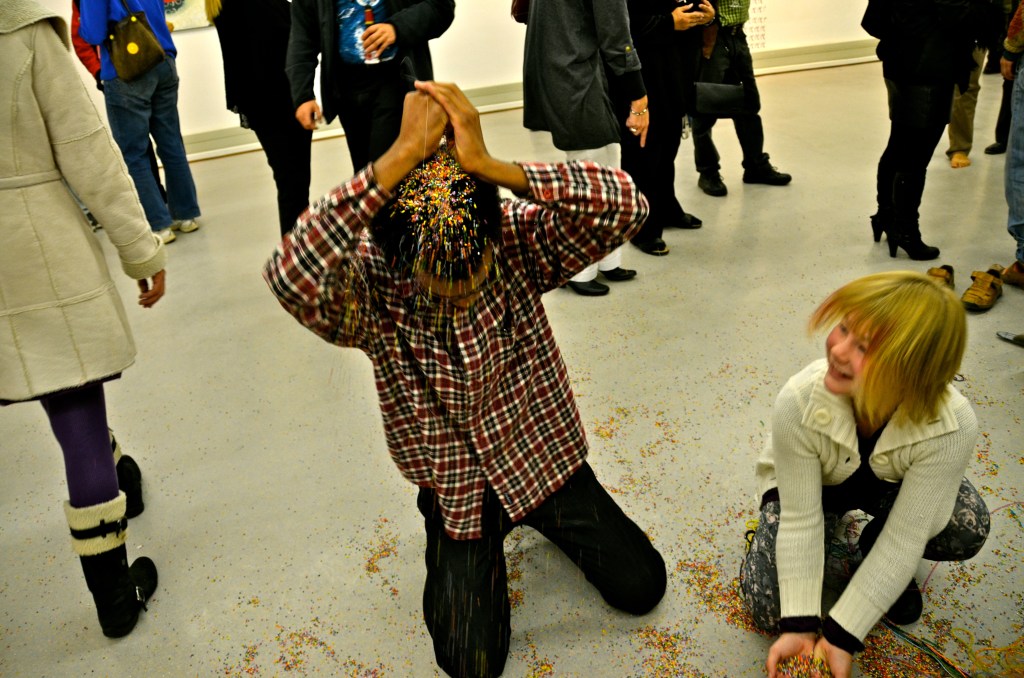
2012, ‘Concious Connections’, Goethe Centre Auditorium, Windhoek, Namibia. This performance art symbolises the fragile nature of the connections between people. 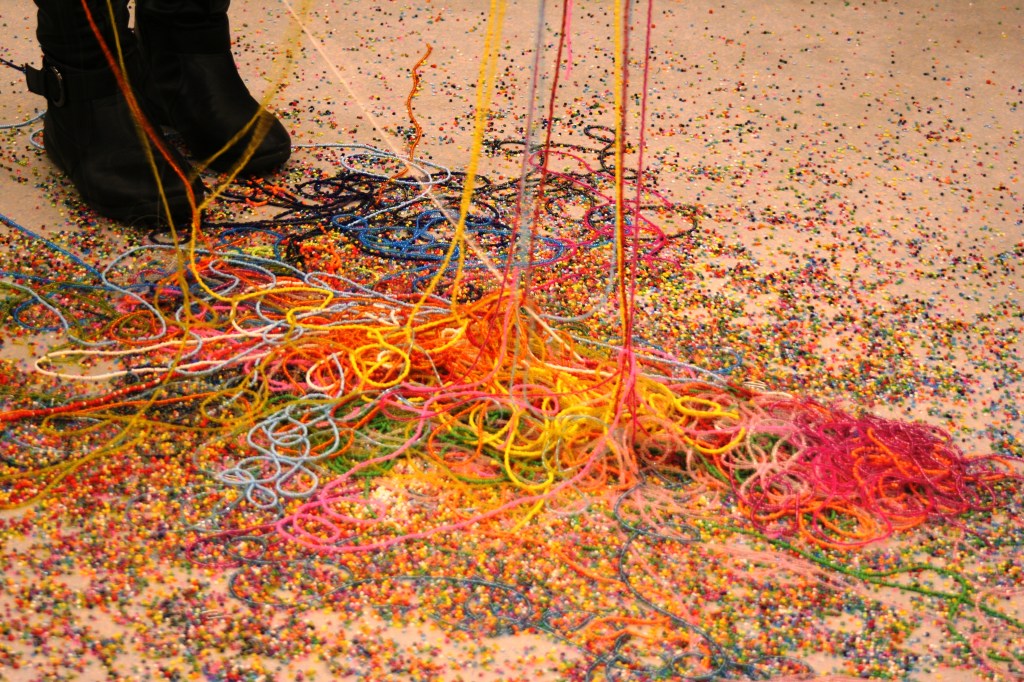
2012, ‘Concious Connections’, Goethe Centre Auditorium, Windhoek, Namibia. This performance art symbolises the fragile nature of the connections between people. 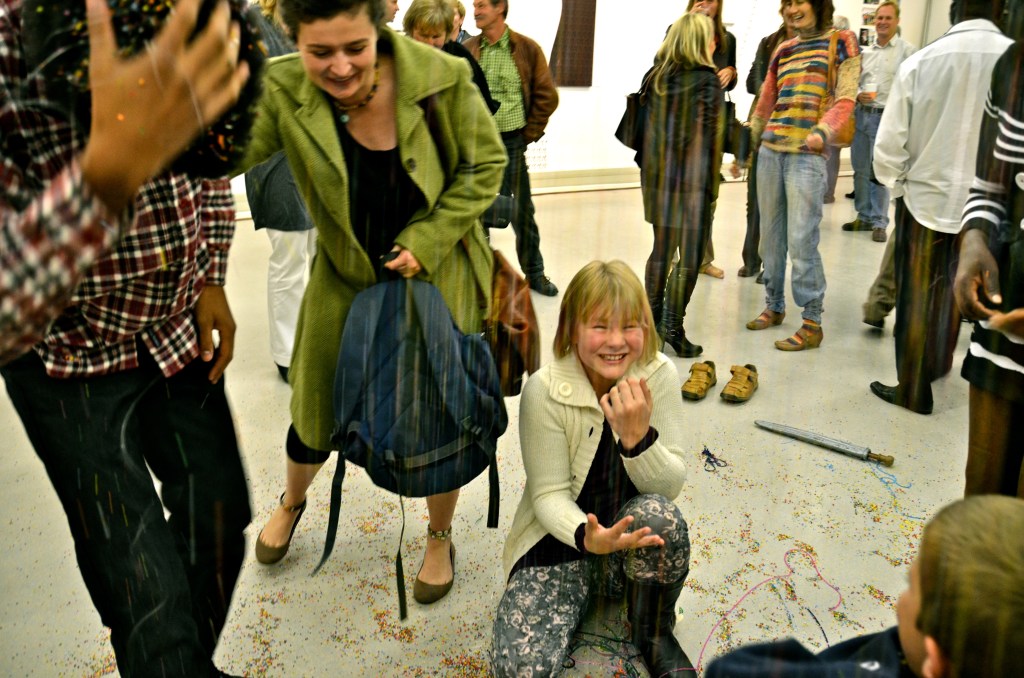
2012, Conscious Connections, Goethe-Centre, Windhoek, Namibia 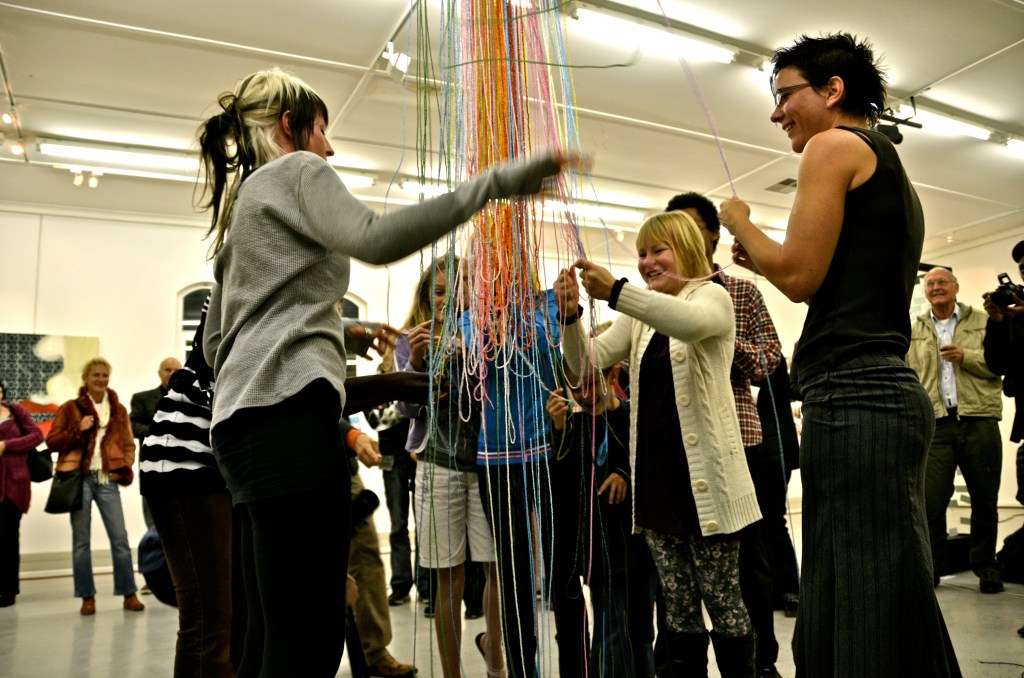
2012, ‘Concious Connections’, Goethe Centre Auditorium, Windhoek, Namibia. This performance art symbolises the fragile nature of the connections between people. 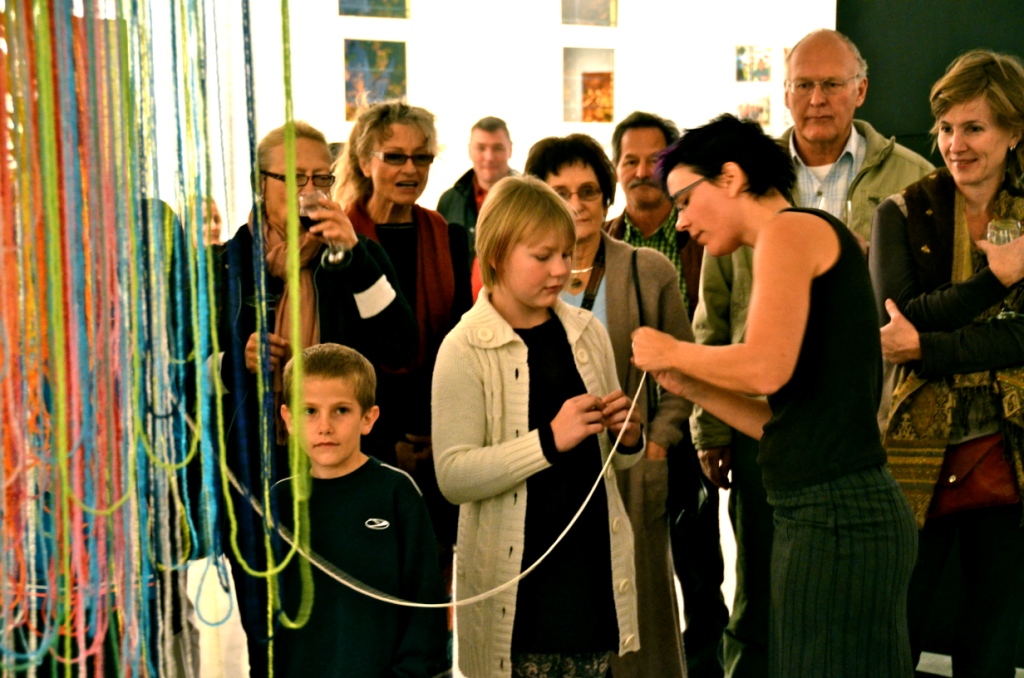
2012, Participatory Performance, ‘Conscious Connections’, Goethe Institute, Windhoek, Namibia. This performance art symbolises the fragile nature of the connections between people. 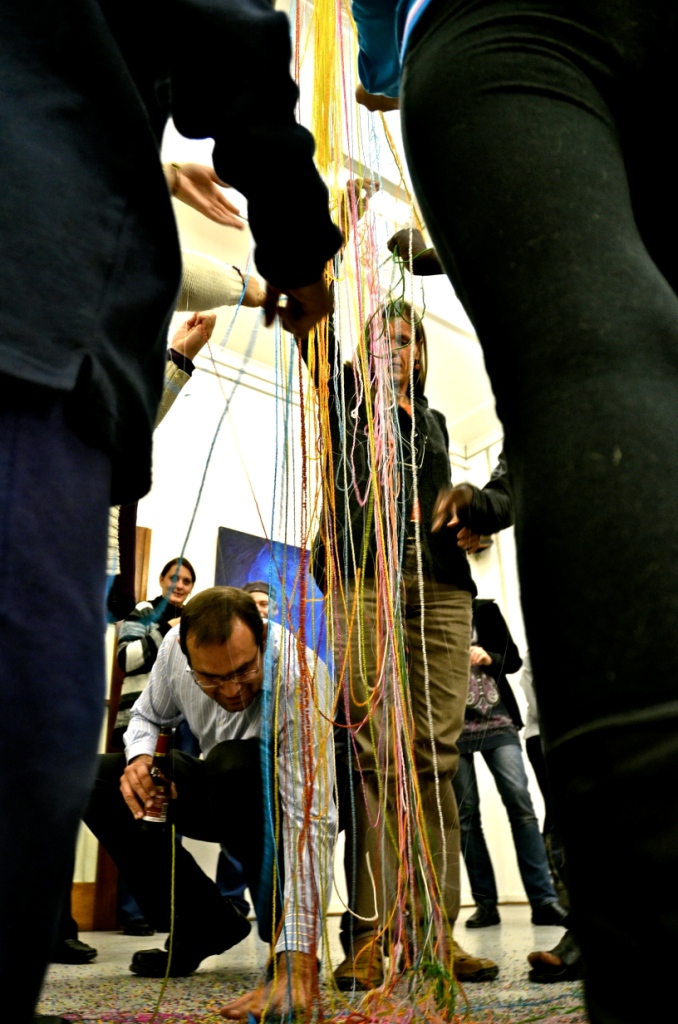
2012, Participatory Performance ‘Conscious Connections’, Goethe Institute, Windhoek, Namibia. This performance art symbolises the fragile nature of the connections between people. 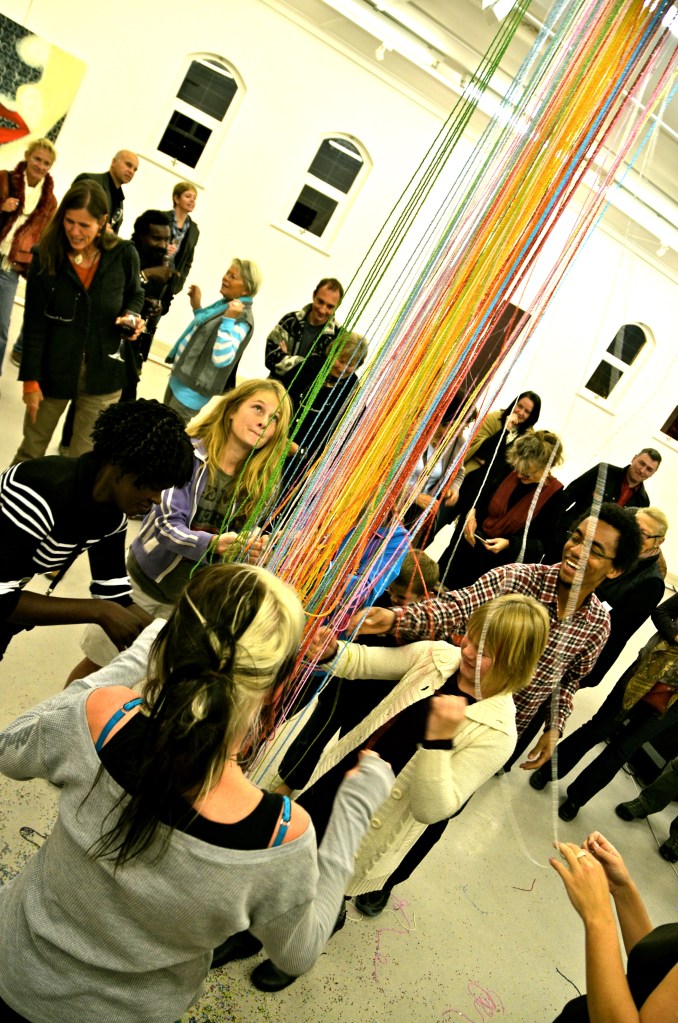
2012, ‘Concious Connections’, Goethe Centre Auditorium, Windhoek, Namibia. This performance art symbolises the fragile nature of the connections between people.
Educational and Community-Based Projects
Alongside institutional and public-space interventions, my practice includes long-term work in educational and community contexts. These projects foreground collective making, shared authorship, and accessible entry points into complex social questions.
Peace Doves – School and Community Projects
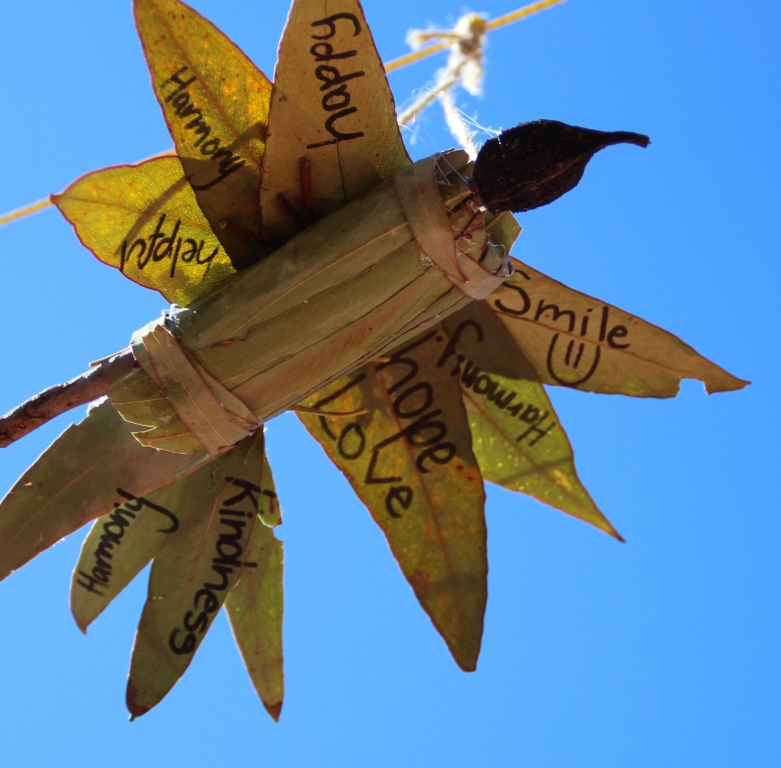
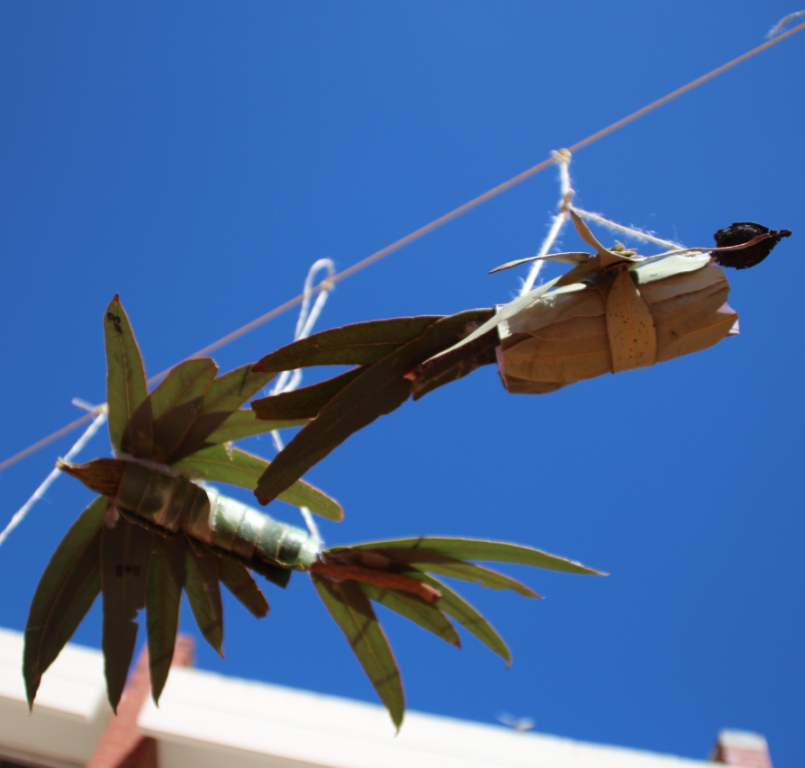
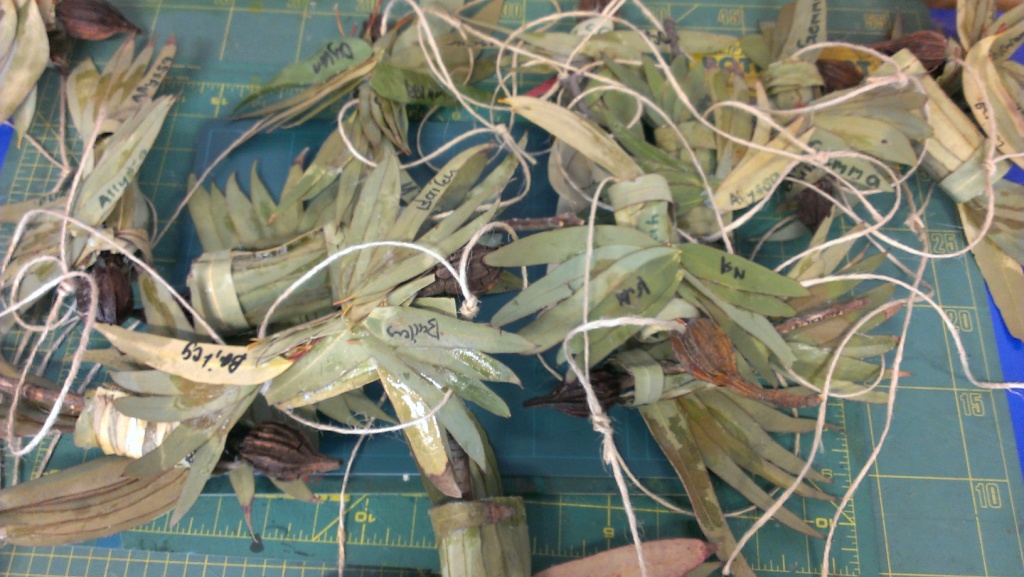
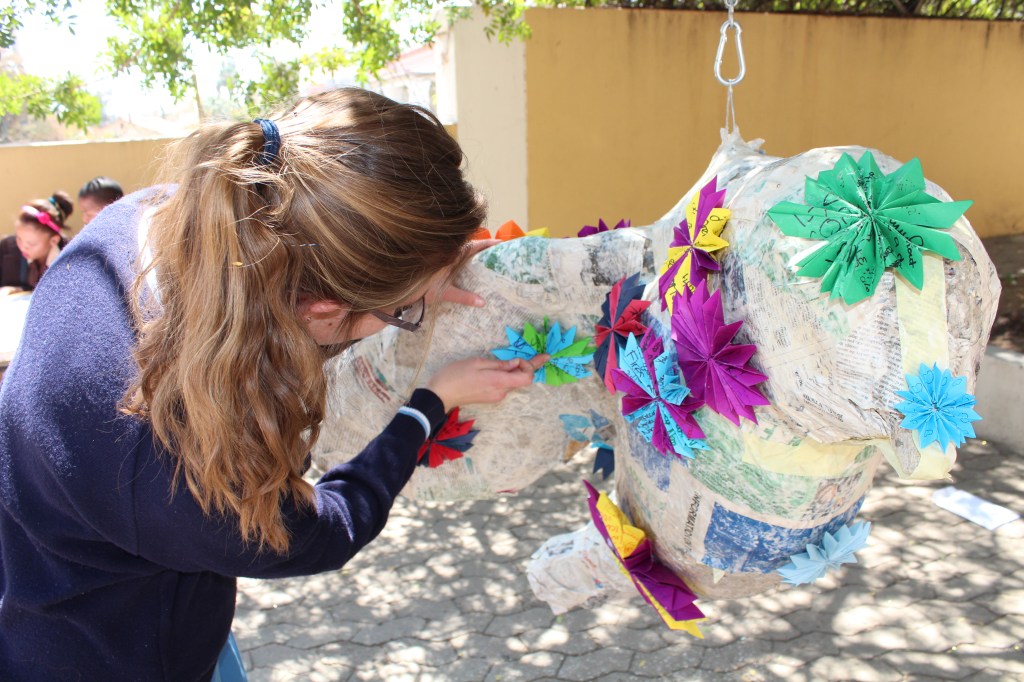
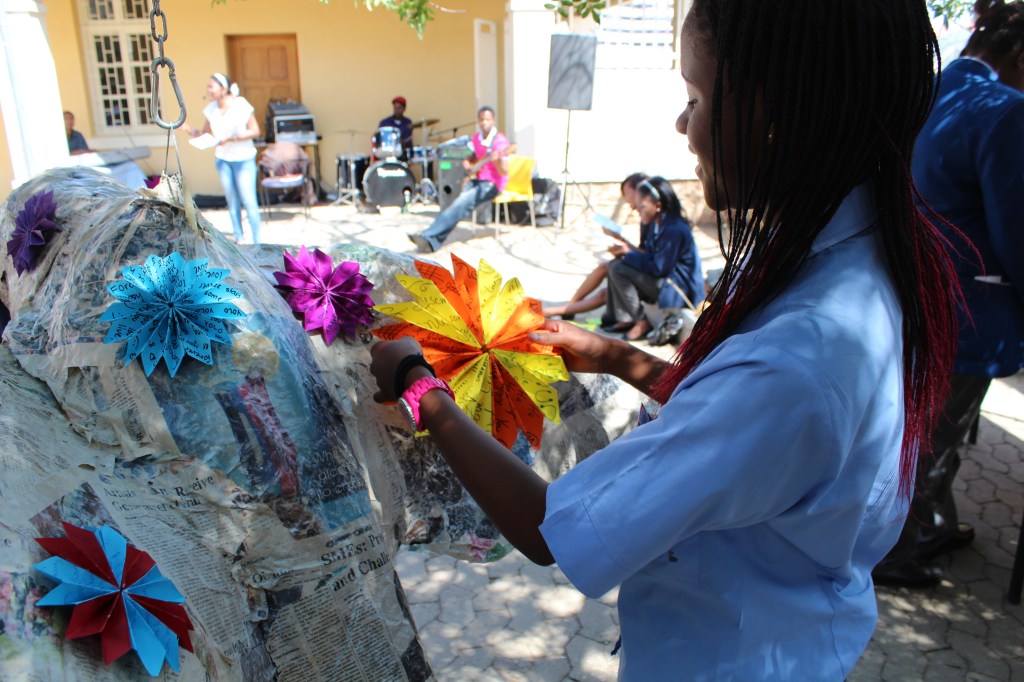
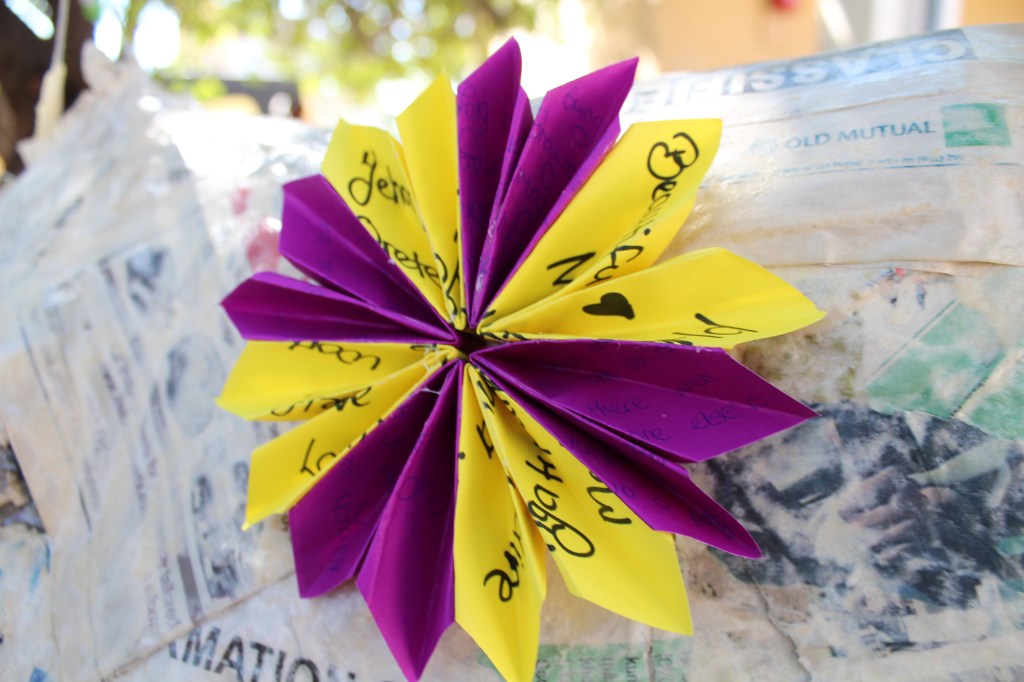
Participants collaboratively create bird forms from natural or recycled materials. Each contributes a written message, which becomes part of a collective installation in a shared space. The projects support cooperation across difference and encourage reflection on communication, care, and shared responsibility.
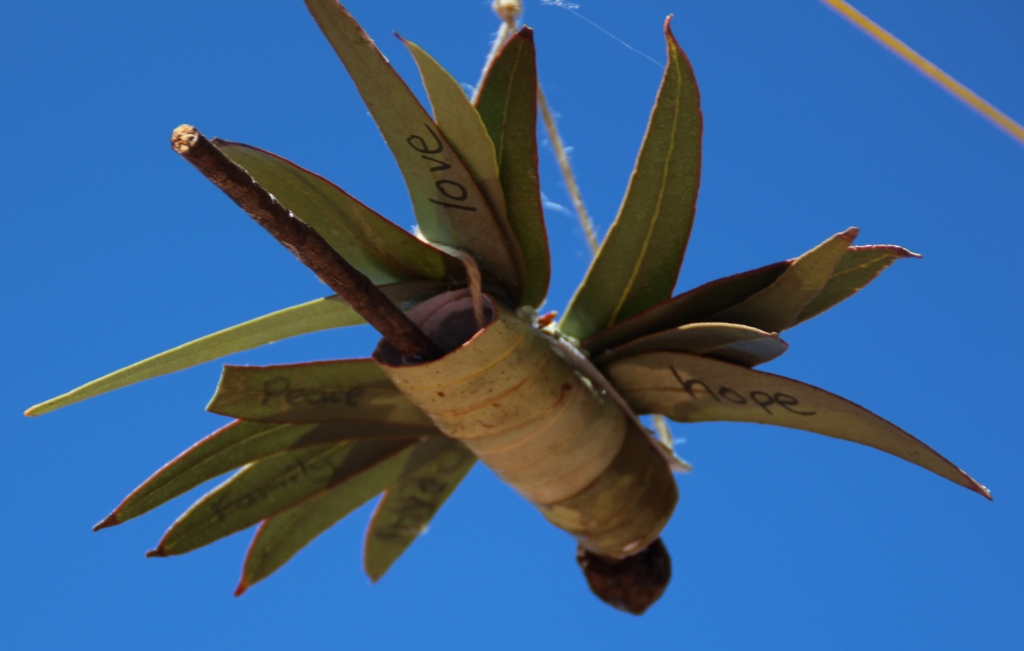
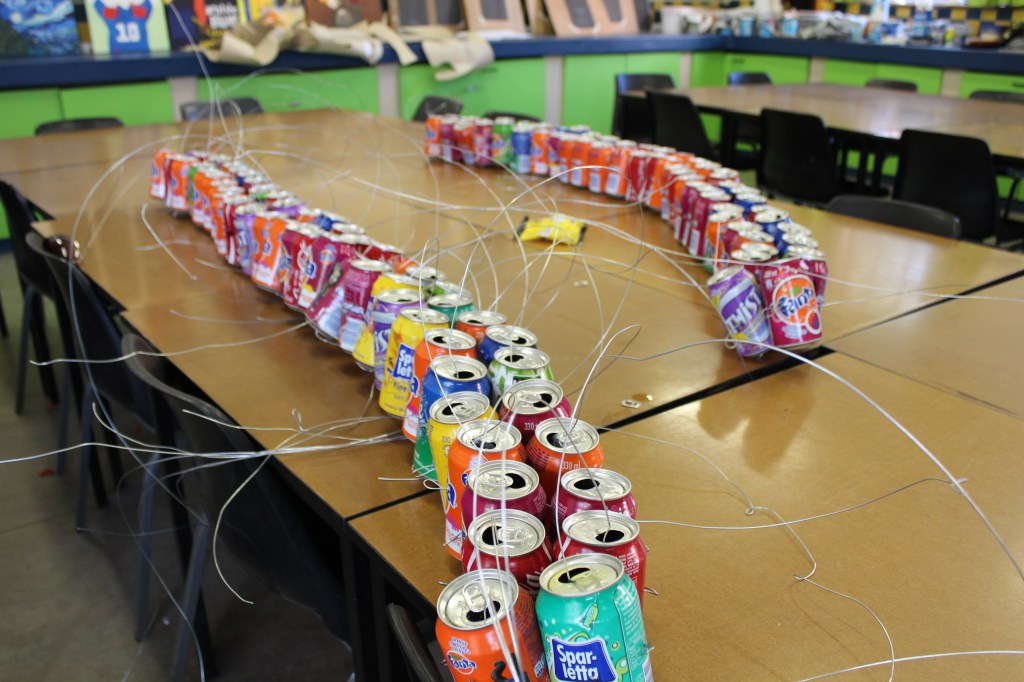
Connection – Secondary School Project
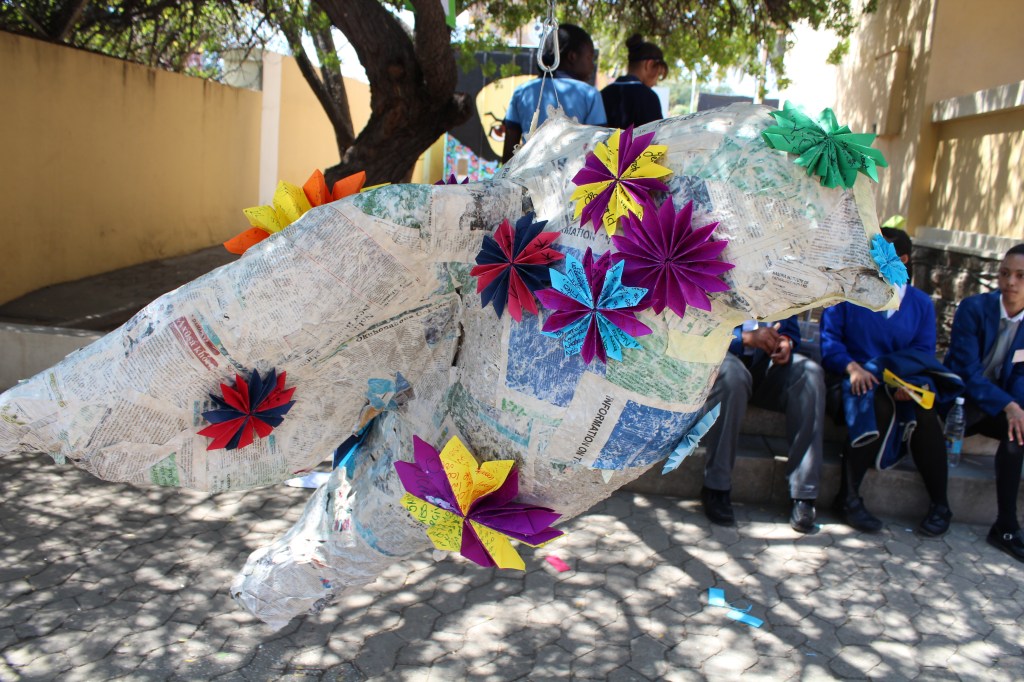
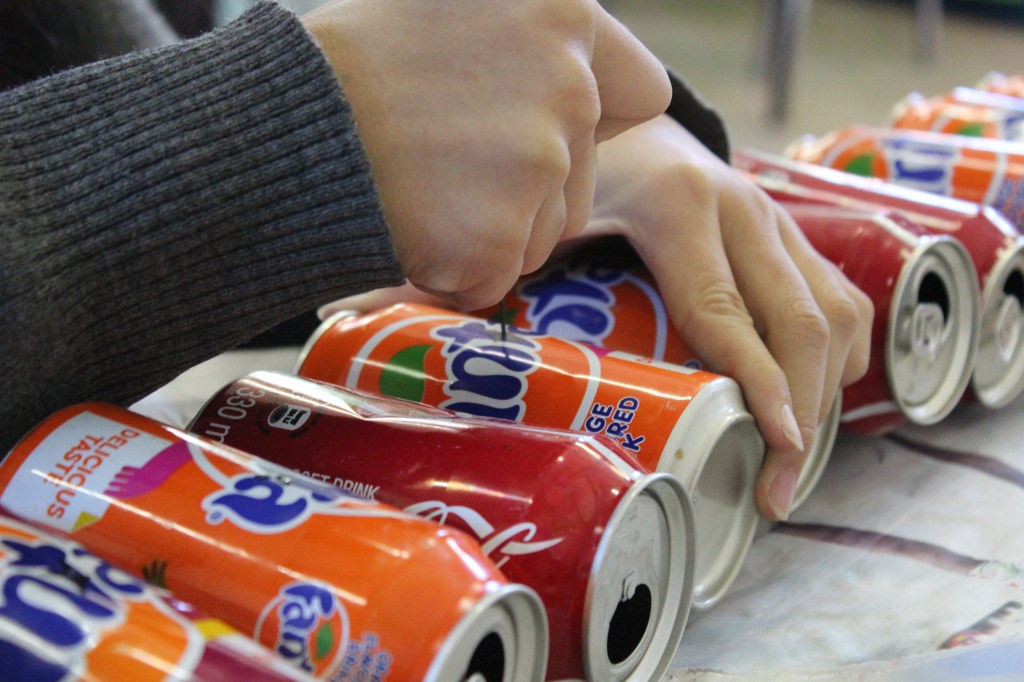
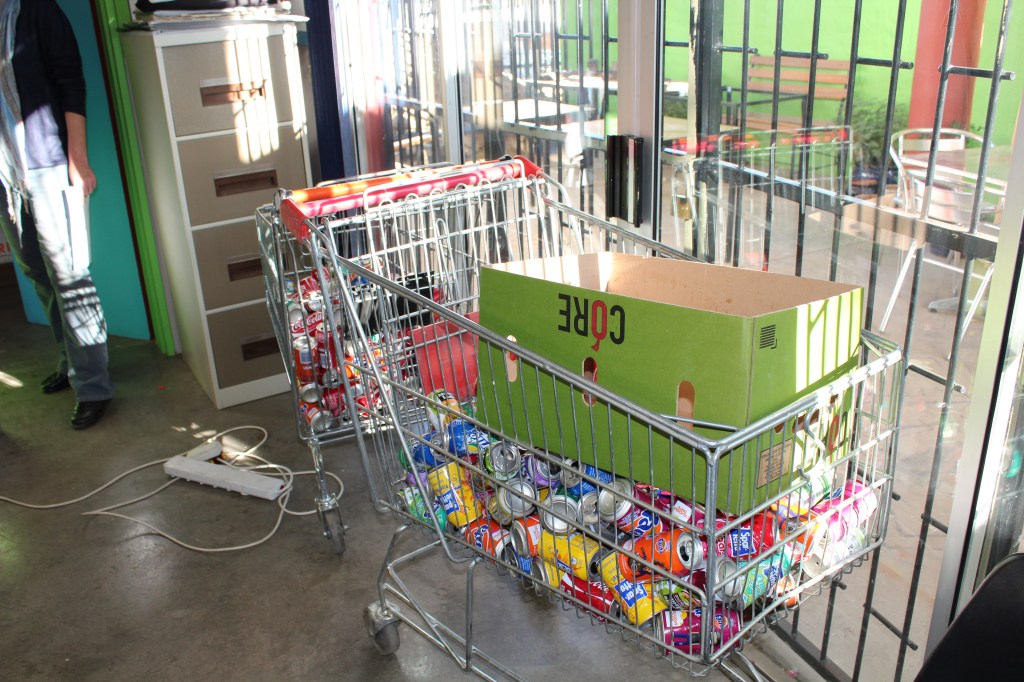
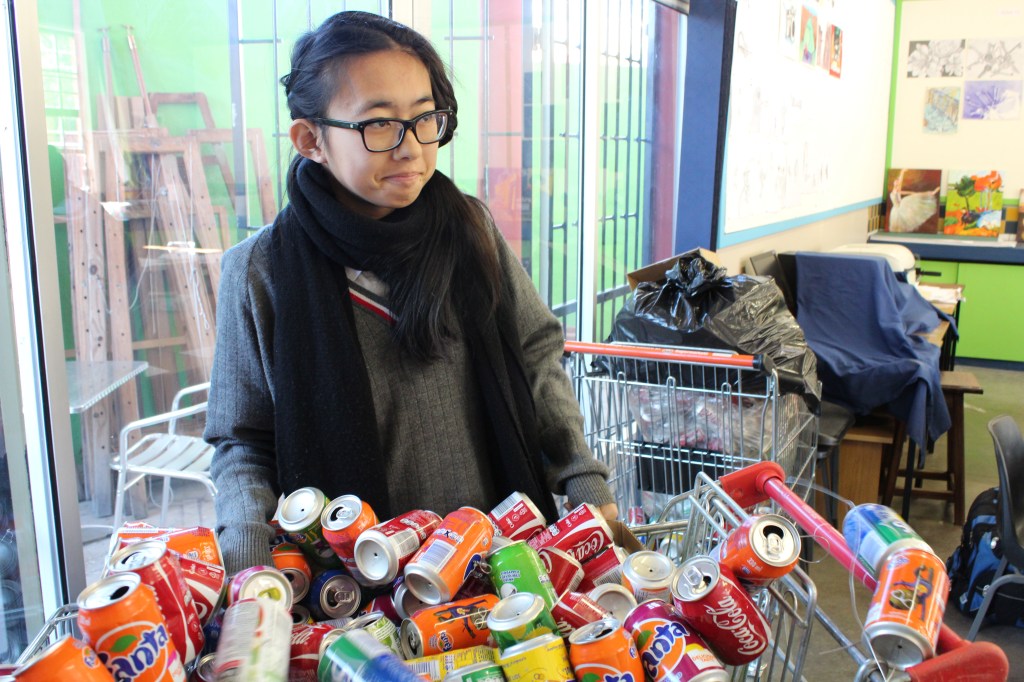
This project explored connection through the use of discarded everyday materials. Students collectively transformed waste into a large-scale image, prompting reflection on value, consumption, and the potential for reconnection—materially and socially.
Booking and Formats
Several works, including Demarginalised and Human Rights, are ongoing participatory projects that can be exhibited, facilitated, and adapted to different contexts. They can be booked by schools, educational institutions, cultural organisations, community groups, and private groups.
Formats include facilitated participatory sessions, exhibitions with active audience involvement, workshops, and temporary installations in public or semi-public spaces. Each activation is adapted to the specific context, group composition, and needs of participants. Participation is voluntary and guided with care, attentiveness, and ethical awareness.
Artistic Reflection – Art as Relational Practice
While I continue to engage with gallery and institutional contexts, my practice increasingly unfolds beyond them. Many of the questions my work addresses are lived daily by people who may not regularly enter art spaces. For this reason, I am drawn to environments where encounters occur as part of everyday life.
This orientation is connected to an ongoing inquiry within my practice: Where does art exist, and how is it constituted? Is an artwork an object, a situation, a set of rules, or a shared moment of attention? Can a participatory game function as an artwork? Does art reside in the encounter itself, or in what continues afterwards?
Rather than offering definitive answers, my practice holds these questions open. Art, in this context, is understood as a relational process shaped by interaction, refusal, care, misunderstanding, and transformation. Meaning is not fixed but emerges through lived experience.
At its core, my work is concerned with connection: between people, between people and their environments, and between art and everyday life. I position myself not outside these processes, but within them, continuously negotiating my role as an artist and the boundaries of what art can be.
 Kirsten Wechslberger